Physical Constraint
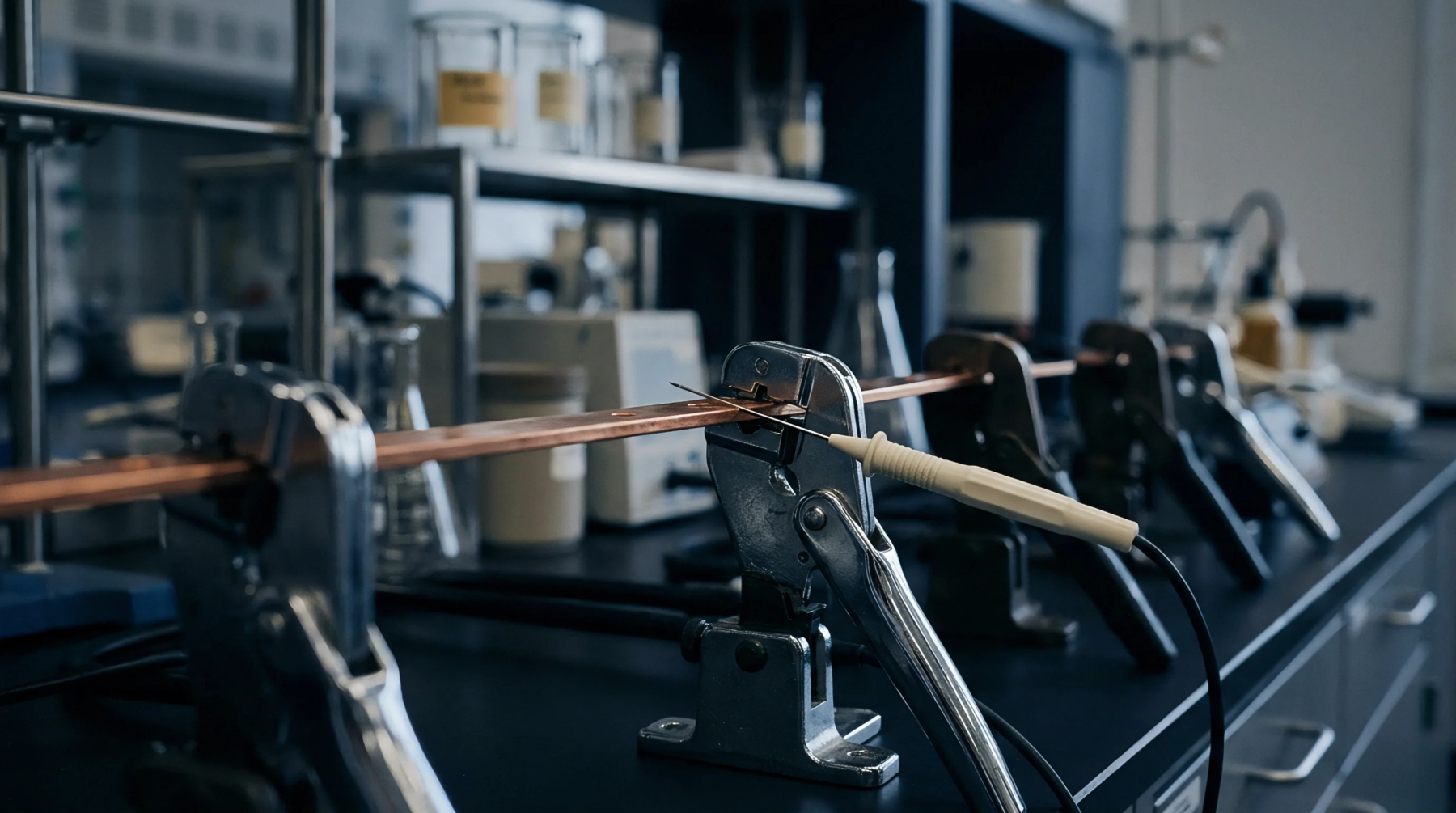
Retention techniques use physical force to secure components or circuit boards in a fixed position during the assembly process. Mechanical clamping provides the pressure necessary to hold a board against a test fixture or to secure a large heat sink to a processor. This method ensures that parts do not shift during vibration or thermal expansion, which could lead to disconnected solder joints.
It governs the stability of the assembly and stops when the clamp is released or the permanent fasteners are installed.
Stress Distribution
The application of this force must be carefully controlled to avoid damaging the delicate layers of the printed circuit board. When using mechanical clamping, engineers must calculate the clamping load to ensure it is high enough for security but low enough to prevent board warping. If the pressure is concentrated in one spot, it can cause the internal copper traces to crack.
Modern fixtures often use multiple distributed pads to spread the load evenly across the surface. This technique is especially common in bed-of-nails testers, where the board must be pressed down onto hundreds of spring-loaded pins. Correct alignment of the clamps ensures that the electrical contact is consistent without stressing the board.
Assembly Threshold
Choosing the right clamping mechanism depends on the required speed and the fragility of the product. Mechanical clamping remains a fundamental part of both automated testing and manual assembly stations. This process secures the hardware during the most critical stages of production.