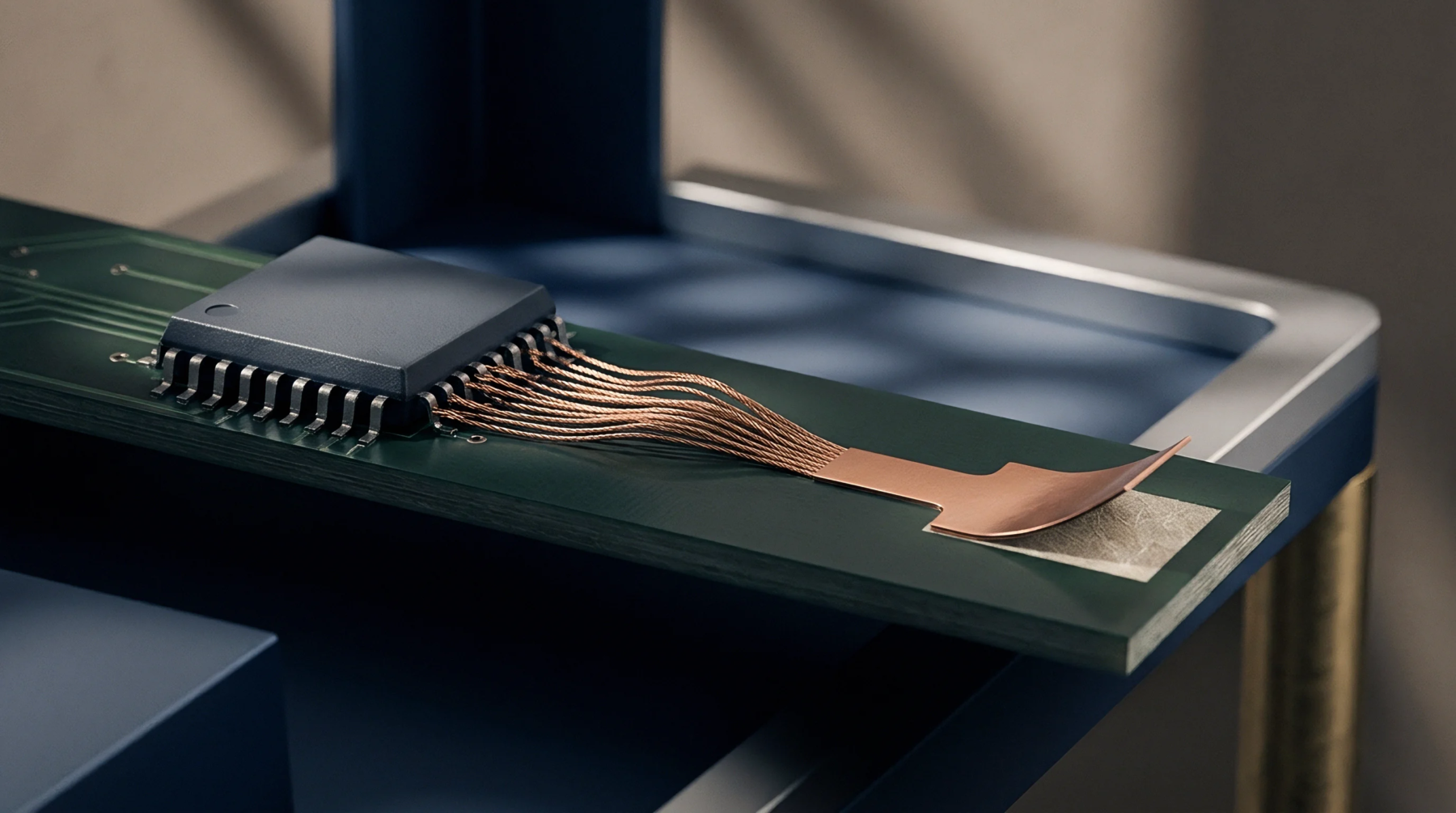
Insertion Actuation
Rigid probes engage circuit boards during the automated testing phase to complete electrical contact for functional verification. These mechanical push fingers descend vertically to exert precise force upon designated test pads or vias across the component side of an assembly. Uniform pressure ensures reliable signal transmission throughout the duration of the scan.
Surface coatings on the tips prevent oxidation buildup while maintaining consistent conductivity over repeated cycles. Proper calibration of the downward stroke avoids substrate cracking or trace damage underneath the contact site.
Contact Alignment
Positional accuracy governs the interface between the pins and the board geometry during the high speed probing routine. Tooling fixtures secure the board in a static location to match the grid of the tester head exactly. Sensors detect misalignment before the actuators lower, preventing lateral stress on fragile connectors or solder joints.
A flexible mount allows each individual probe to settle independently against uneven board surfaces without causing deformation.
Force Control
Load cells monitor the tension applied by each assembly to ensure stable resistance measurements without compromising the integrity of delicate copper layers. Excessive pressure induces permanent marks on plated through holes that degrade solderability during subsequent assembly stages. Limited stroke depth maintains the spring tension within optimal operating ranges for millions of cycles.
Reduced force profiles mitigate fatigue in the underlying dielectric material while preserving signal path quality during rigorous verification cycles.