Stencil Geometry
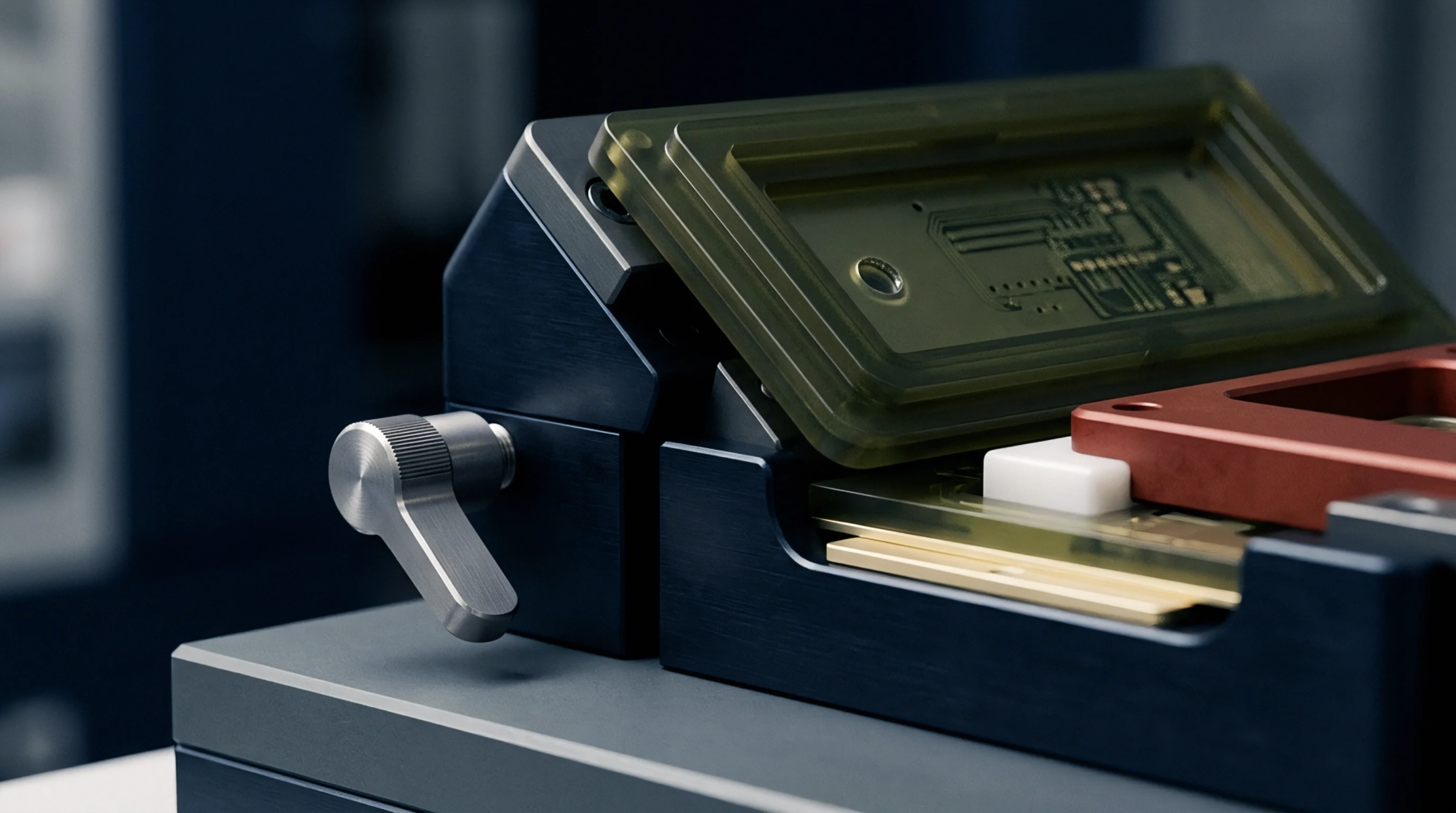
Solder paste deposition onto high density substrates demands precise control of aperture volume and placement. MicroBGA printing functions as the primary method for delivering consistent paste deposits to landing pads with pitches below four hundred microns. Operators utilize laser cut stainless steel stencils with specific foil thicknesses to ensure the stencil gasket seals against the solder mask effectively.
This seal prevents paste smearing and under-stencil bleeding that otherwise compromises the electrical integrity of fine pitch array components.
Deposit Control
Thickness variations within the individual solder paste volumes lead directly to open circuits or shorts during the reflow phase. Fabricators adjust the squeegee pressure and print speed to compensate for the small aperture areas that restrict paste release from the stencil walls. Aperture shape optimization, such as rounding the corners of rectangular pads, increases the release efficiency for small area ratios.
The squeegee angle determines the force vector applied to the paste, which influences the shear thinning behavior required to fill the apertures completely. Proper tensioning of the stencil frame ensures that the foil does not deflect under the squeegee during the stroke.
Process Verification
Automated optical inspection systems verify the alignment and height of every paste deposit before component placement begins. These machines identify bridge conditions, insufficient paste volumes, or smeared deposits that fall outside defined acceptable parameters. SPI data provides the feedback loop needed to calibrate the stencil cleaning cycle or the squeegee stroke speed.
High resolution sensors detect sub-millimeter offsets that would prevent successful soldering of the delicate array balls. Successful application of paste for fine pitch components depends on the mechanical stability of the printer and the rheological properties of the selected alloy.