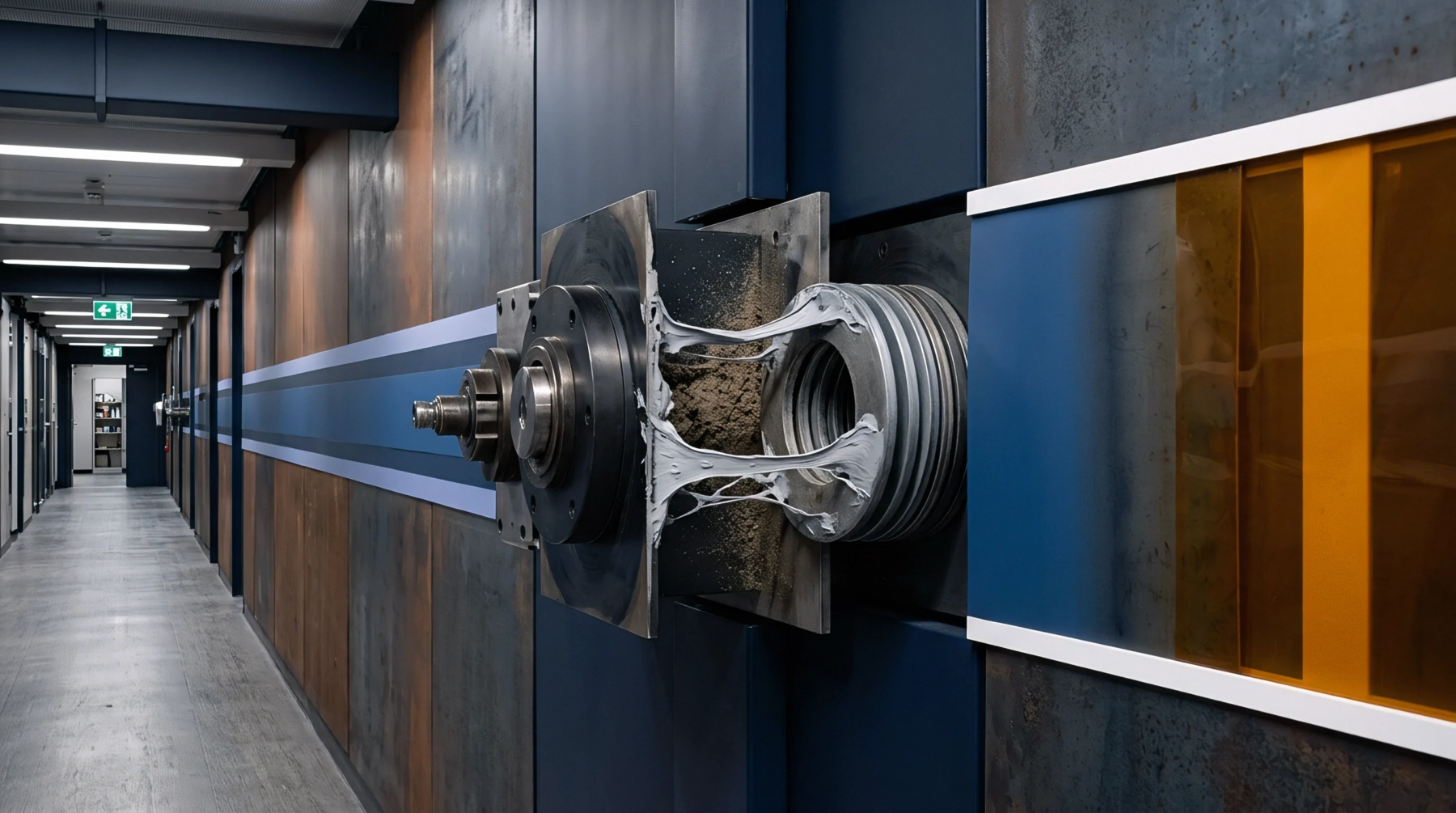
Cavity Formation Dynamics
Internal separation within a laser-drilled copper connection often results from entrapped volatiles or insufficient copper plating thickness during the electrolytic build-up process. Microvia voiding defect modes represent the specific structural morphologies of these gas pockets, which create mechanical discontinuities within the vertical interconnection access. Proper monitoring requires cross-sectioning samples to observe whether the empty space occupies the center of the via or tracks along the interface between the base laminate and the conductive wall.
Unfilled regions hinder the reliability of high-density circuits under thermal cycling conditions by concentrating stress at the junction of the copper post and the surface pad.
Plating Kinetic Variables
Current density gradients across the panel surface influence how efficiently chemistry travels down the narrow bore of a blind via during fabrication. Large current fluctuations push deposition rates past the threshold where additives can effectively level the metal growth inside the narrow opening. A common manifestation of this instability occurs when organic brighteners degrade, leading to rapid, non-uniform copper accumulation that traps air before the hole seals entirely.
Thermal Reliability Impacts
Expansion coefficients of the resin, glass fiber, and copper differ by orders of magnitude when the circuit board reaches operating temperatures. A hollow via acts as a site for crack initiation because the absence of solid metal prevents the connection from resisting the outward pressure of the expanding dielectric. These voids facilitate localized overheating by limiting the cross-sectional area available for electrical current conduction, which increases resistance and degrades the signal integrity of the transmission line.