Dielectric Measurement
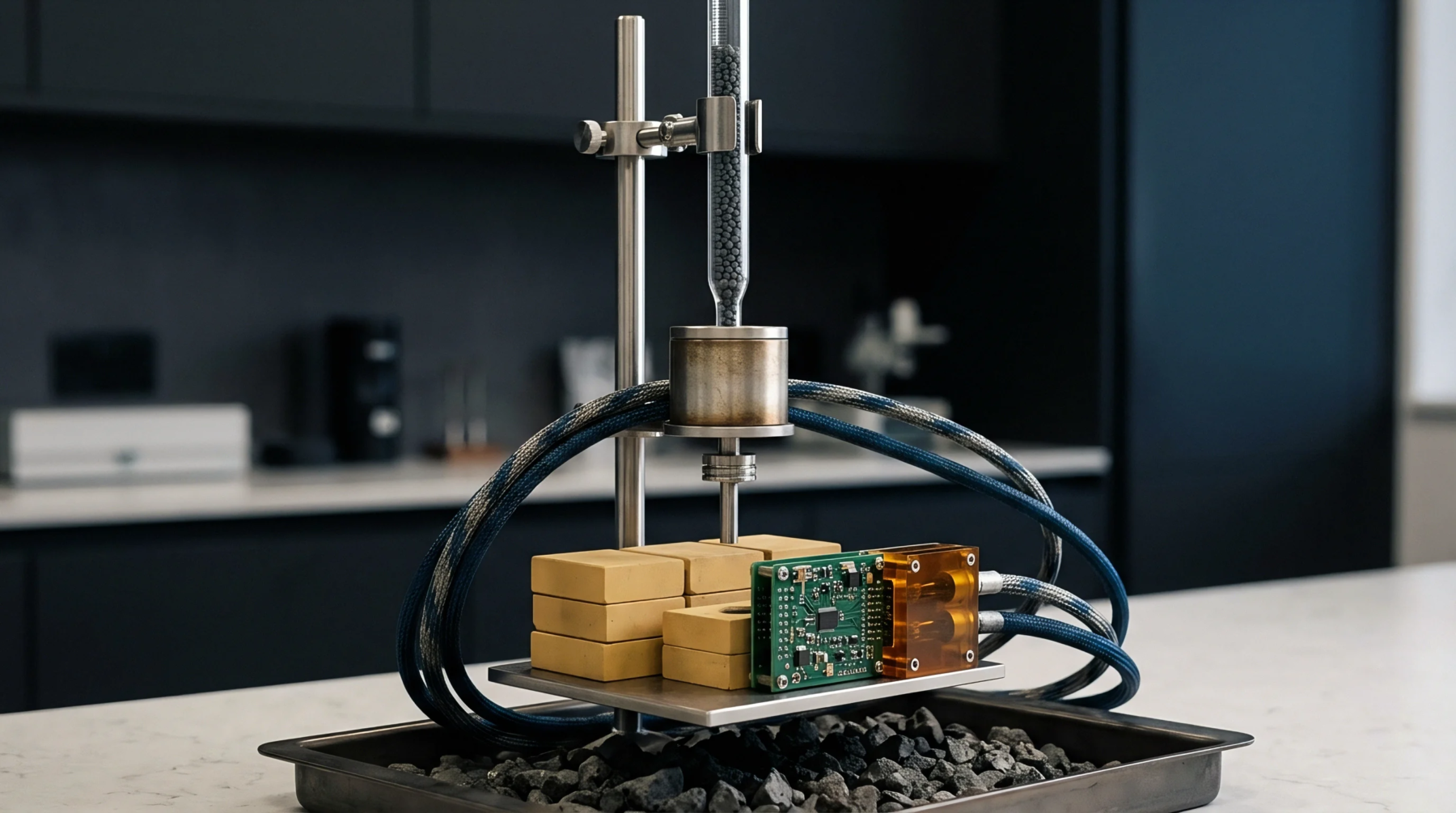
Electromagnetic enclosures designed to sustain standing waves at specific frequencies provide a method for characterizing material properties. A microwave cavity resonator allows for the precise determination of the permittivity and loss tangent of a dielectric sample. The device operates by observing the shift in resonant frequency when a material is inserted.
Signal Interaction
Inserting a thin strip of PCB laminate into the center of the field alters the quality factor of the system. Inside the microwave cavity resonator, the electric field interacts with the molecular structure of the substrate. This interaction dissipates energy which is then measured as a change in the bandwidth of the resonance peak.
Highly accurate results depend on the stability of the input signal and the temperature of the chamber. Operators must calibrate the device against a known vacuum or air standard to maintain traceability.
Sample Specification
Precision machining of the test specimen ensures that it fits perfectly within the slot of the enclosure. Even small gaps between the material and the walls can introduce errors in the final calculation. Testing usually occurs at frequencies ranging from one gigahertz to twenty gigahertz.
This data assists engineers in selecting the correct material for high speed digital applications.