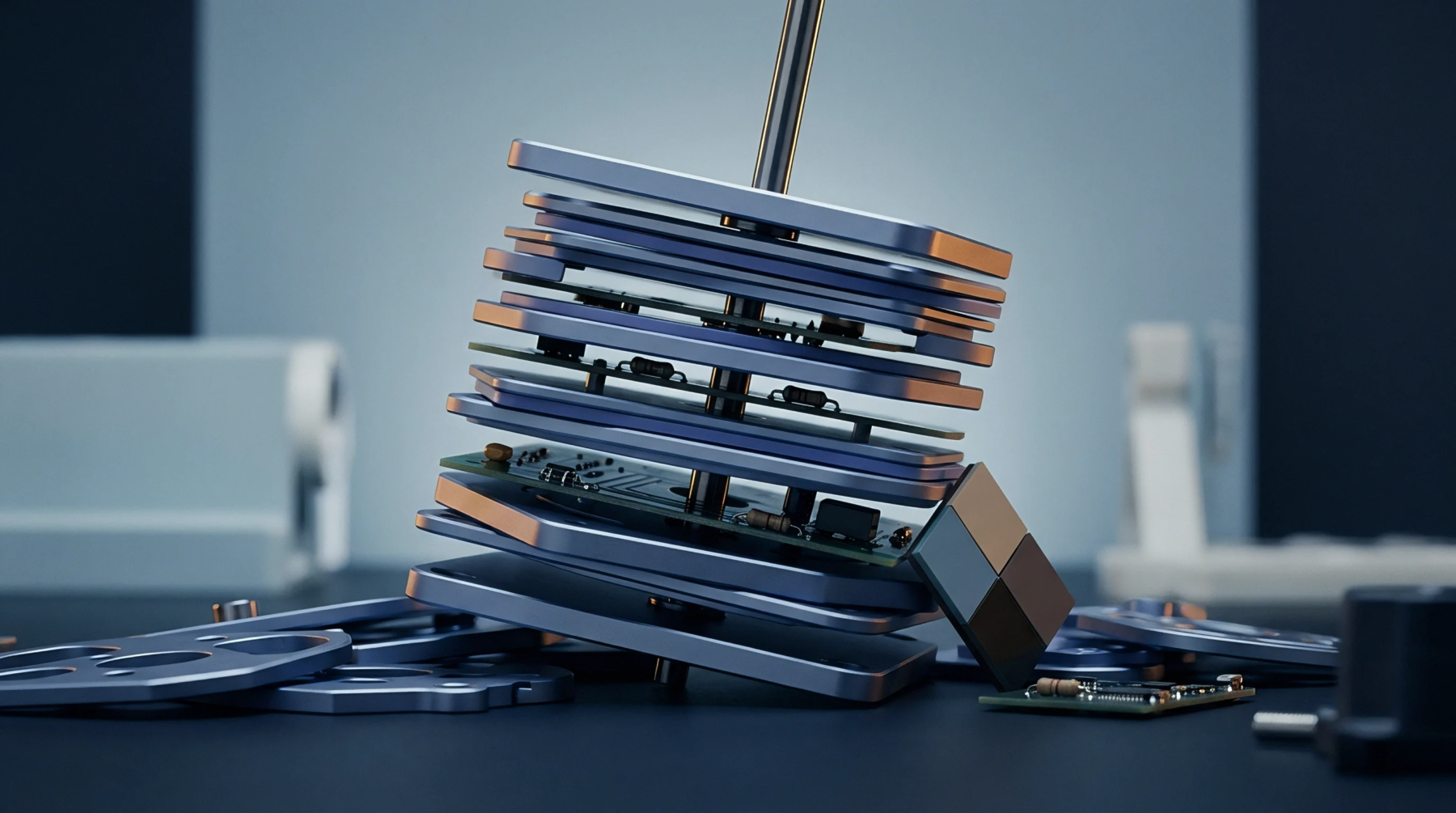
Environmental Testing
Test requirements for space vehicle hardware establish the baseline for design verification and flight readiness of electronics assemblies. The application of MIL-STD-1540 governs the thermal vacuum, acoustic, and vibration screening processes used to identify latent workmanship defects. The specified procedures ensure that flight-critical printed circuit boards can survive the extreme environments of launch and orbit.
The standard defines the test margins and durations required to qualify hardware without causing unnecessary cumulative wear.
Verification Procedure
A rigorous sequence of environmental stress screens begins with random vibration to reveal weak solder joints and poorly secured components. This is followed by thermal vacuum testing to simulate the temperature extremes and outgassing conditions of the space environment. Throughout these tests, continuous electrical monitoring detects intermittent connections and functional anomalies that might remain hidden during static inspections.
The qualification flow requires boards to endure temperatures ten degrees beyond their design limits to prove structural margins. The duration of each thermal cycle is calculated based on the mass and thermal time constant of the assembly, ensuring complete thermal stabilization is achieved before electrical measurements are recorded.
Qualification Standard
Acceptance thresholds from the standard dictate whether a printed board assembly is certified for flight integration. Any functional degradation or structural crack discovered during post-test evaluation results in a non-conformance report. This strict mandate forces manufacturers to adopt rigorous assembly controls to bypass costly rework.