Material Softening
Polyamide and epoxy resin matrices undergo a specific depression of the glass transition temperature when polar water molecules intercalate into the polymer network. This moisture plasticization glass transition occurs because the absorbed water disrupts intermolecular hydrogen bonding between polymer chains. The resulting increase in free volume permits greater chain segment mobility at lower thermal energy inputs.
Structural Impact
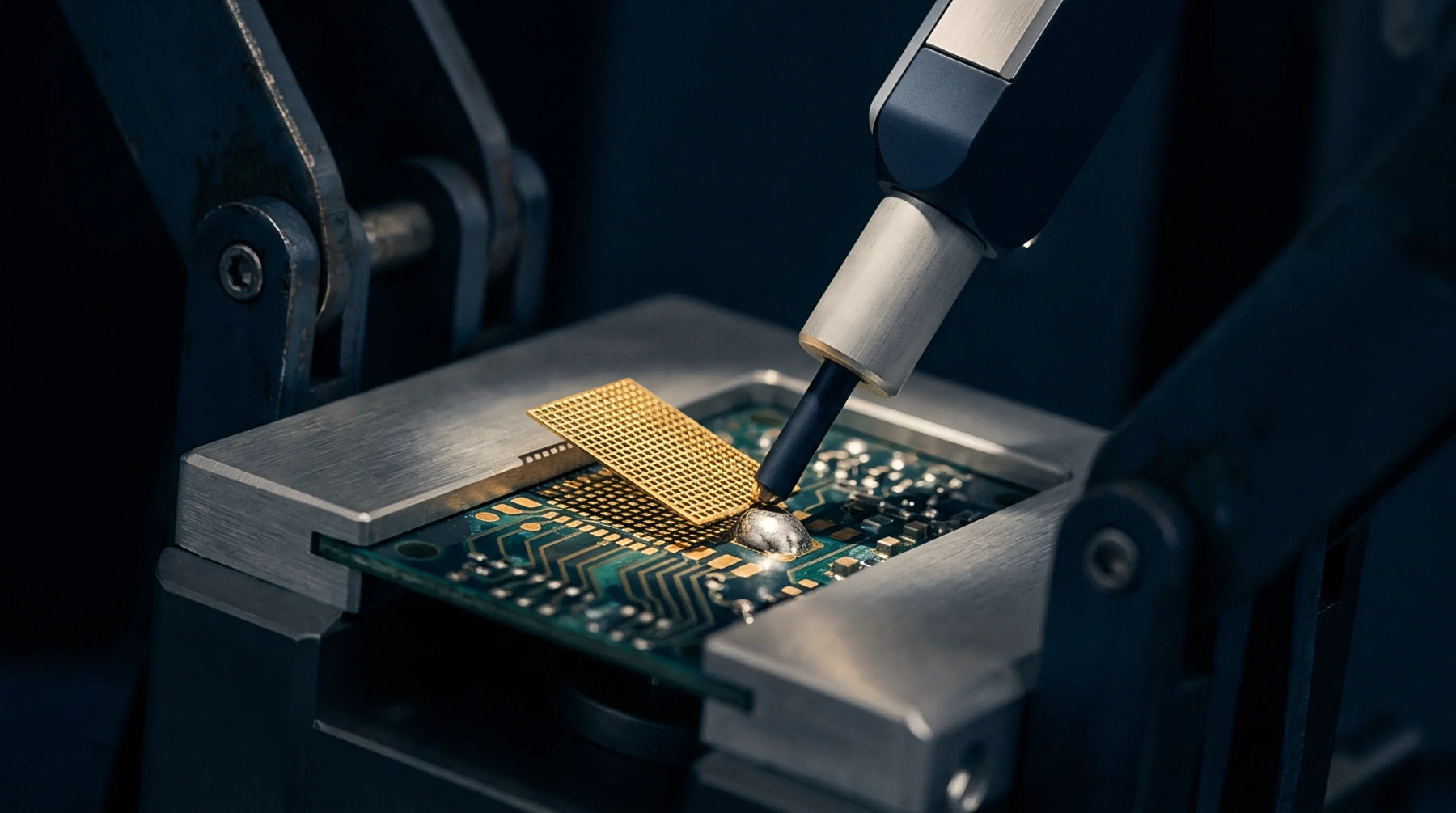
Reduced thermal stability creates immediate risks during the reflow soldering phase of printed circuit board assembly. Excessive water content inside the substrate induces rapid steam expansion as the temperature rises above the boiling point. Internal pressure builds until the physical strength of the laminate fails, producing blistering or delamination within the copper layers.
Such failures occur predominantly in high density interconnect boards featuring thin dielectric gaps where vapor accumulation concentrates at the interface between glass fibers and the resin.
Acceptance Criteria
Incoming inspection protocols for hygroscopic materials specify rigorous moisture control limits before assembly starts. Manufacturers maintain dry storage cabinets to limit ambient absorption levels that drive the transition downward. Desiccant baking removes residual water molecules from the dielectric bulk to restore the baseline material rigidity required for survival in lead free soldering environments.
The integrity of the electronic assembly hinges upon the ability of the material to resist these thermomechanical shifts during the heating cycle.