Gas Substitution
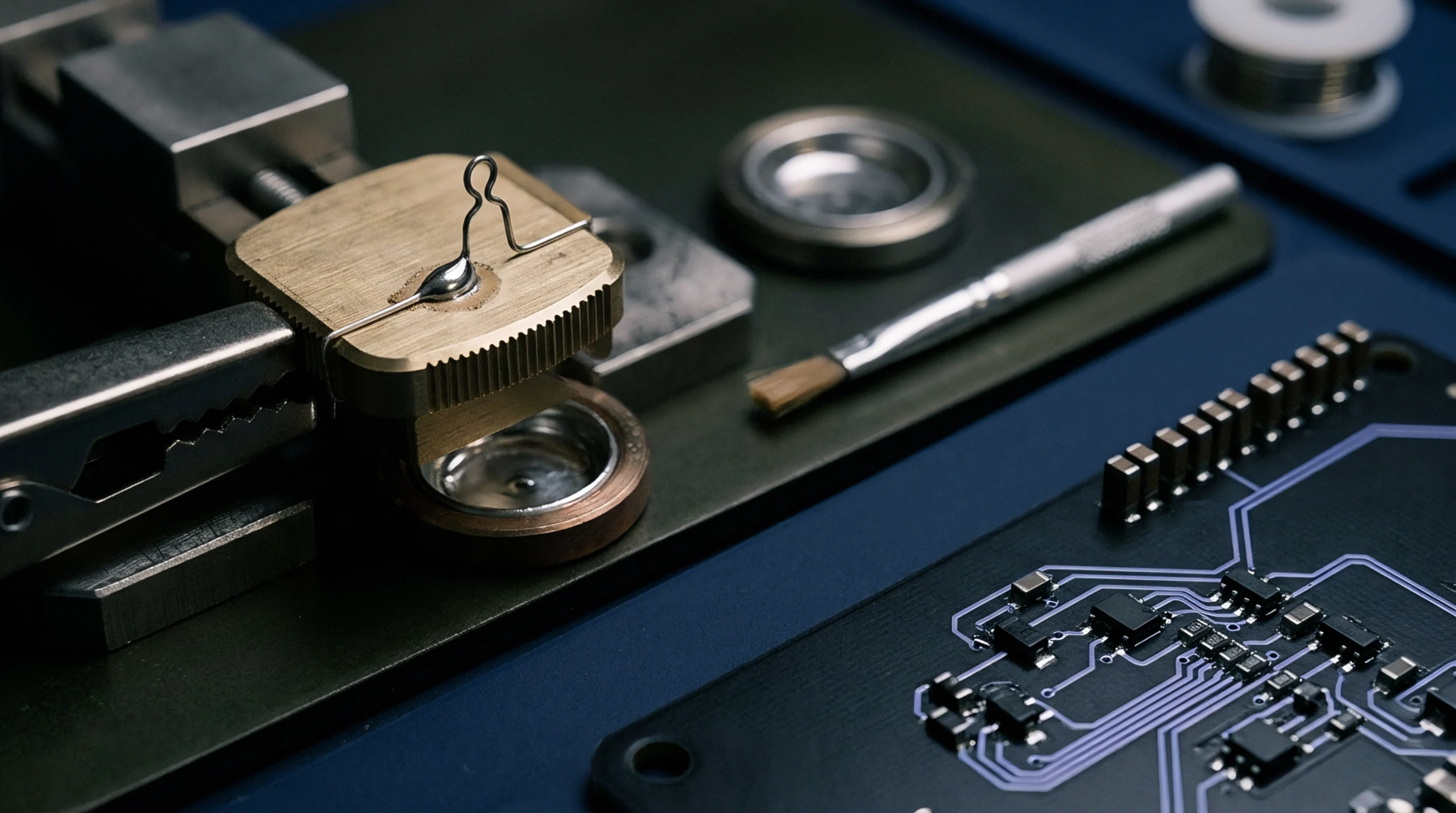
Inert gas deployment removes oxygen from the reflow soldering chamber to prevent oxidation of molten metal surfaces. A nitrogen atmosphere maintains wetting integrity during high temperature processing by lowering the concentration of reactive diatomic oxygen molecules. This method reduces dross formation in wave soldering machines and improves solder joint appearance on dense circuit boards.
Thermal transfer efficiency increases because gas properties differ from standard shop air. Increased process stability allows for a wider window in profile development.
Flux Activation
Chemical additives react with base metals more efficiently when the thermal environment lacks oxidative potential. This control mechanism permits the use of lower activity fluxes that require less post-assembly cleaning. Reducing the oxygen parts per million allows solder to spread across finer pitches without bridging or leaving residue.
Careful monitoring of gas flow rates maintains the set purity level within the heating zones.
Purity Requirement
Continuous sensors track oxygen density to ensure the concentration stays below the established threshold for specific alloy wetting characteristics. Variations in chamber seals or exhaust settings alter the concentration and necessitate flow adjustments to preserve the inert state. Consistent delivery of high purity gas remains the primary condition for avoiding surface defects on copper pads and component leads.
Precise gas management prevents soldering failures that occur when oxygen levels rise during high speed production cycles.