Thermal Boundary
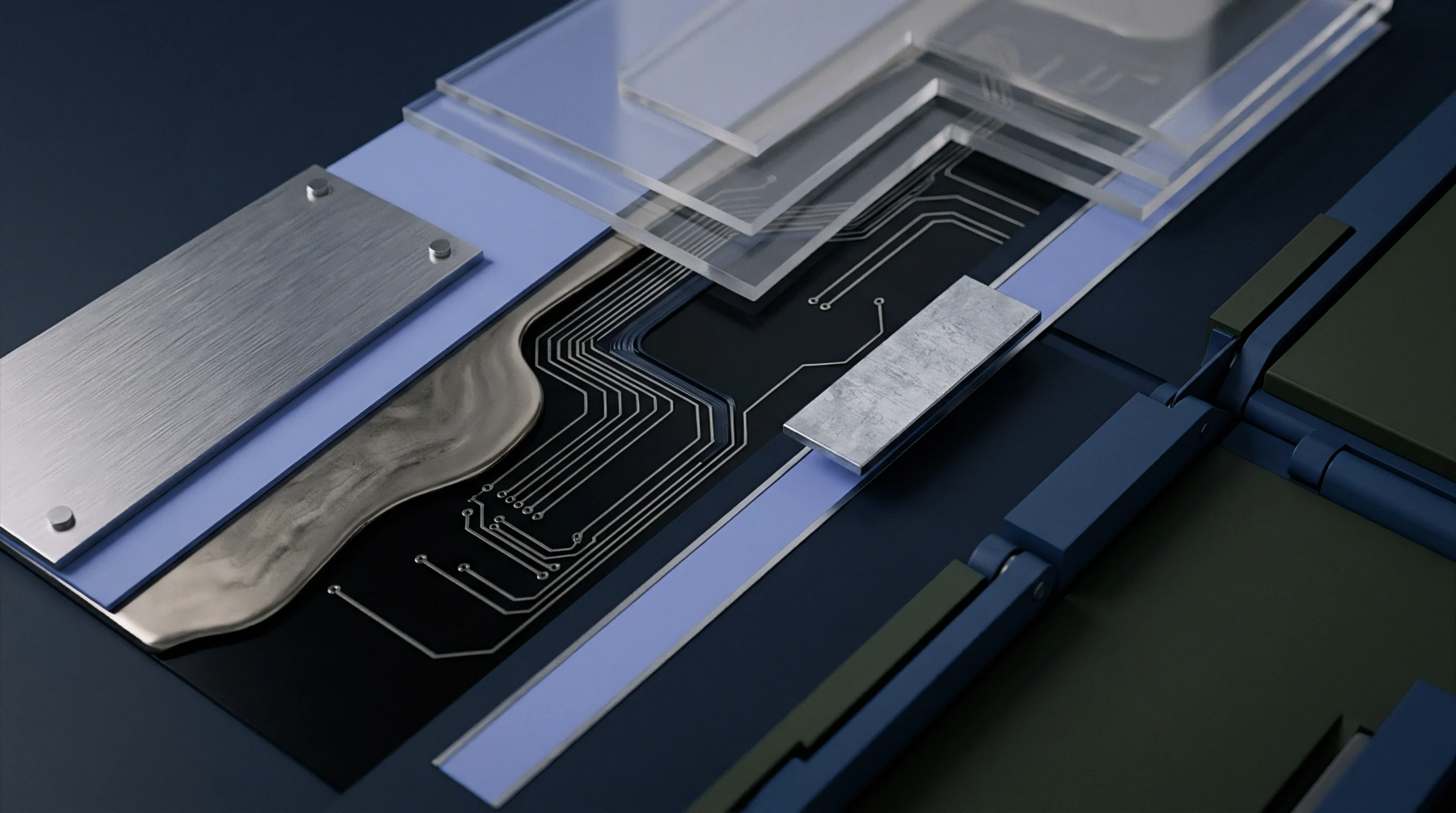
Outer platen temperature designates the surface heat measurement taken across the heated tooling plate during thermal compression bonding operations within printed circuit board manufacturing. Production engineers monitor outer platen temperature to prevent laminate degradation and resin starvation during multi-layer PCB lamination cycles. Excessive thermal energy triggers premature resin polymerization before sufficient hydraulic pressure forces the prepreg to flow into the copper circuit gaps.
Underheating produces incomplete curing of the epoxy matrix, yielding laminated panels prone to delamination during subsequent thermal stress testing. Thermocouples embedded directly beneath the working face provide continuous feedback to the proportional integral derivative controllers regulating the heating elements. Tooling plate dimensions dictate thermal mass distribution across the work area, requiring calibration routines to compensate for edge heat loss during high volume production runs.
Measurement Variance
Surface pyrometers and embedded resistance temperature detectors capture operational gradients across the tooling boundary during pre-heat and dwell phases. Heat sink effects from the press frame introduce localized cooling zones requiring zoned heating circuits to maintain uniformity within two degrees Celsius across the pressing area. Operator intervention occurs immediately when thermocouple drift exceeds established control limits during routine fabrication audits.
Calibration records verify sensor accuracy against certified reference standards prior to releasing the press for high density interconnect production. Thermal expansion mismatch between the steel platen and the pressing cushion introduces mechanical shear stresses during high temperature dwell cycles.
Process Control
Quality inspectors rely on post-lamination peel strength data and microsection analysis to verify that the applied thermal profile achieved complete resin cross-linking without thermal charring. Material suppliers specify narrow temperature windows to balance fluid viscosity against reaction rates during the pressing stage. Temperature logs serve as permanent quality records required by aerospace and defense contractors demanding full traceability on rigid flex assemblies.
Excessive thermal gradients across the platen surface induce board warp and twist anomalies that render subsequent automated optical inspection steps ineffective. Precision thermal management preserves dielectric spacing tolerances throughout the multi-layer lamination sequence.