Material Utilization
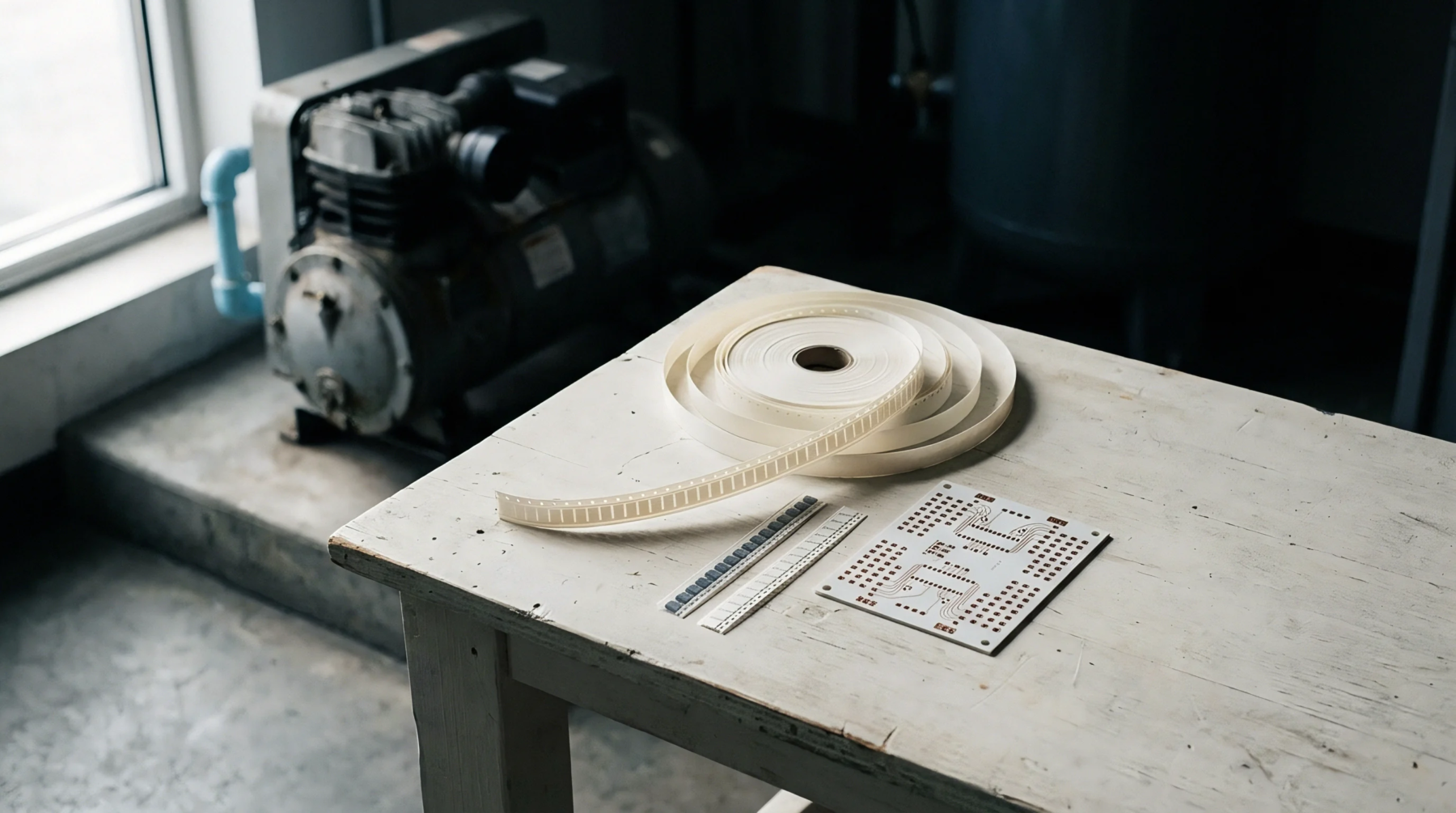
Raw laminate boards are processed in standard sheet sizes that must be divided into smaller production panels to run through automated assembly lines. Panel conversion efficiency measures the proportion of the raw sheet area that is occupied by functional printed circuit boards rather than waste borders or routing channels. High efficiency reduces the raw material waste generated per board, making the production process more sustainable and cost-effective.
Fabricators track this percentage across every job to monitor material yield and optimize sheet utilization.
Panel Layout
Nesting strategies and border allocations dictate the maximum number of boards that can fit onto a standard fabrication panel. Optimizing panel conversion efficiency requires designers and fabricators to collaborate on the final array dimensions, adjusting individual board spacings to squeeze more units into the available panel area. When boards have irregular, non-rectangular profiles, rotating some units ninety degrees or interleaving them can recover lost space.
This layout technique is executed using specialized panelization software before the copper etch stage. Poor routing schemes or overly wide tool strips on the panel edges will quickly degrade this value, leading to excessive scrap.
Cost Optimization
Substrate material costs represent a high proportion of the total manufacturing expense for complex multilayer boards. Low panel conversion efficiency directly drives up the unit cost of each board because the unused scrap material is still paid for. Fabricating boards with irregular shapes makes optimizing this ratio essential during early design phases.