Copper Balancing
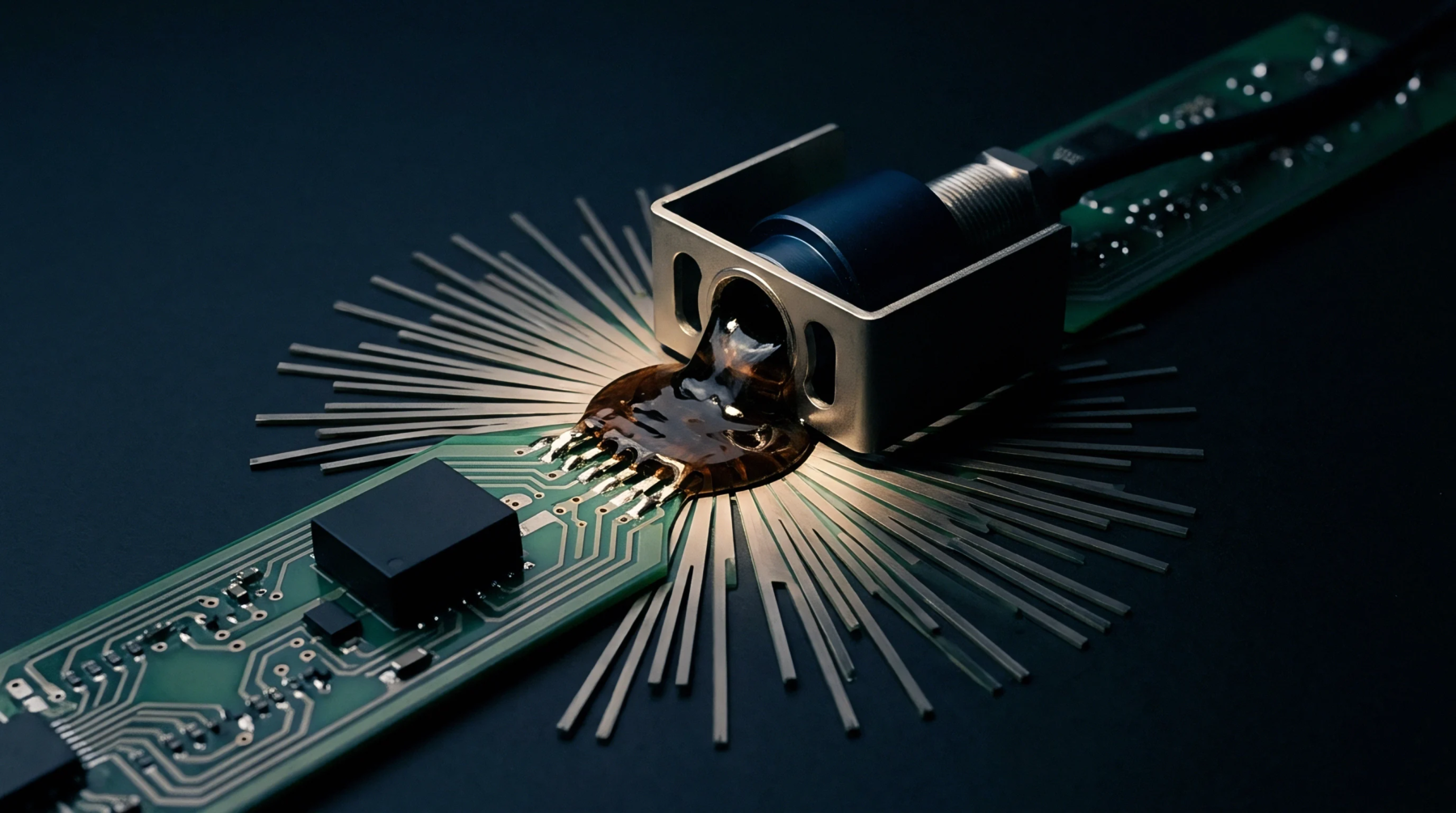
Solid copper borders are added to the outer waste areas of a multi-board panel to distribute the electroplating current evenly during circuit board fabrication. Implementing panel thieving rails prevents over-plating on isolated traces at the board edges and under-plating in dense trace areas. These border patterns absorb excess copper ions during the electrolytic plating process, leading to a highly uniform copper thickness across the entire panel.
This uniformity is necessary for maintaining controlled impedance and consistent trace widths. In addition, it balances the metal distribution on both sides of the panel, which is essential to prevent bow and twist during thermal exposure.
Plating Control
Electroplating baths naturally direct more electrical current to the exposed outer edges of a panel. Without the inclusion of panel thieving rails, outer traces would receive an excessive amount of copper, resulting in oversized traces and possible short circuits. The added copper rails act as dummy loads to redistribute the electrical field.
Board Rigidity
Manufacturing panels must endure mechanical handling, routing, and thermal stress in the solder reflow oven. The added weight and structure of the panel thieving rails help prevent thin laminates from warping or twisting during these high-temperature steps. This added stability improves placement accuracy on the assembly line.