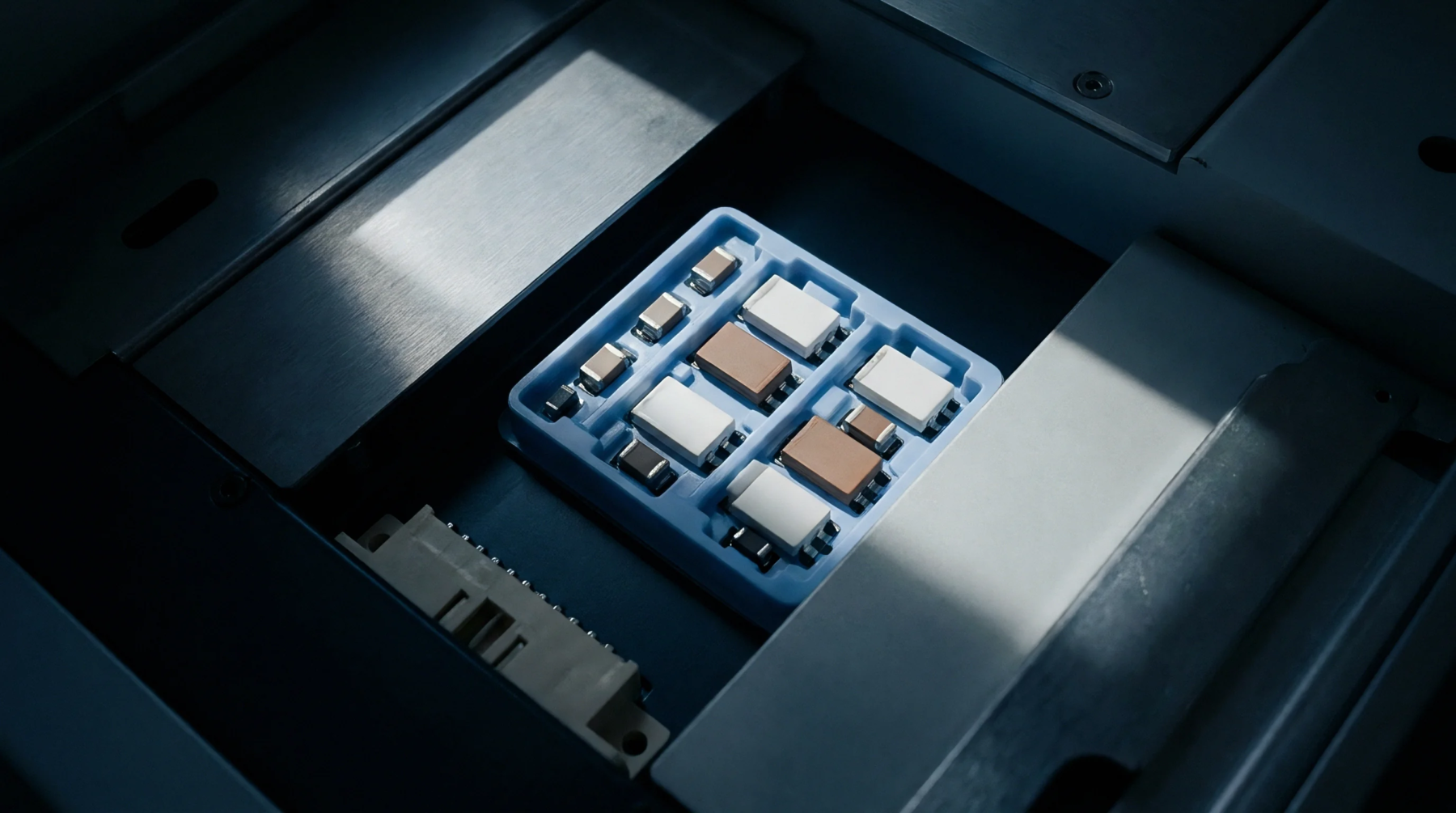
Thermal Regulation
Heat dissipation infrastructure controlling operating temperatures during printed circuit board assembly fabrication. High power semiconductor dissipation demands engineered copper plane geometries alongside heavy foil inner layers to conduct thermal energy away from surface mounted components before solder joint fatigue occurs. Automated optical inspection verifies trace widths during the etching phase, while automated X-ray inspection evaluates void percentages inside bottom thermal pad solder joints following reflow convection.
Board fabricators measure thermal conductivity values across dielectric stacks, ensuring materials withstand processing temperatures without delamination occurring during subsequent wave soldering steps.
Cooling Mechanics
Conduction transfers thermal energy through plated through holes into internal ground planes, releasing accumulated heat into ambient air streams via attached extruded aluminum heatsinks. Forced air convection accelerates boundary layer removal across component packages, lowering junction temperatures below maximum rated thresholds specified by silicon vendors. Thermal interface materials eliminate microscopic air gaps between package housings and heatsink mounting surfaces, lowering contact resistance during high load operating cycles.
Operators monitor reflow profile consistency using thermocouple profiling boards, confirming peak temperatures match solder paste alloy melting requirements without exceeding component thermal shock limits.
Performance Boundaries
Heat dissipation constraints dictate maximum component packing densities allowed within multi layer printed circuit board layouts. Excessive localized temperatures cause glass transition temperature violations within standard epoxy laminates, resulting in barrel cracking of plated through holes during thermal cycling tests. Designers specify alternative high Tg substrate materials whenever operating environments exceed standard resin thresholds, preventing premature dielectric breakdown.
Operational reliability depends directly on maintaining steady state thermal equilibrium across every populated circuit node throughout extended functional testing phases.