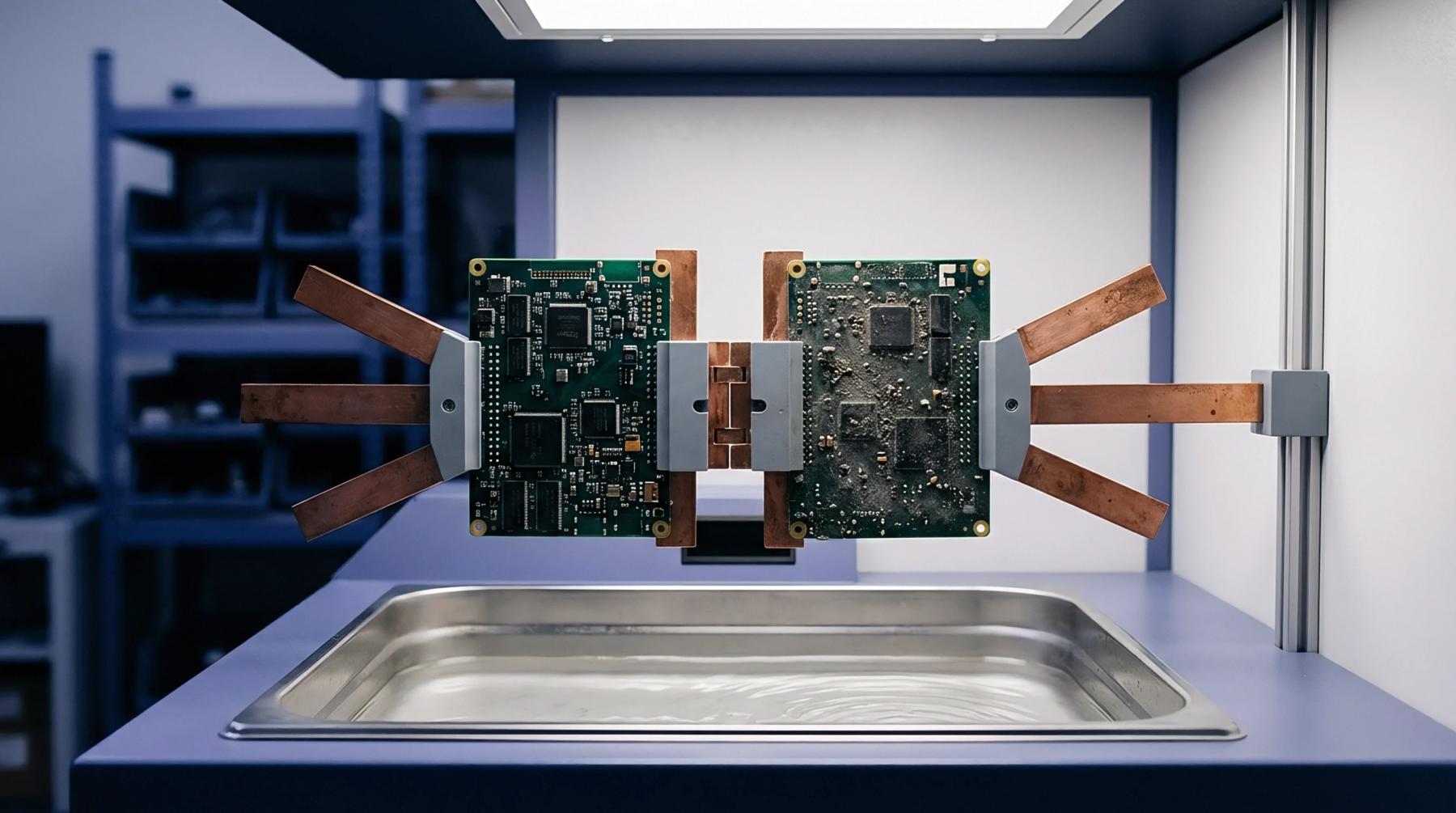
Verification Protocol
Functional validation constitutes the primary assurance that an assembly meets electrical specifications after components occupy the board. Pcba testing confirms that solder joints maintain integrity and every mounted part responds to signals as intended by the circuit designer. Digital multimeters and specialized grid fixtures isolate nodes to verify continuity or identify shorts between copper traces.
Automated optical systems augment this process by locating missing parts or reversed polarities that escape electrical contact.
Operational Boundaries
Production line validation relies upon distinct phases to separate workmanship faults from component failures. In-circuit analysis checks specific resistors and capacitors by applying voltage through bed of nails contact pins. This approach isolates the device under test from the surrounding circuitry to calculate individual values against a nominal range.
Functional software loading follows to determine if the populated board operates under a power-up condition while executing native code. Flying probe equipment eliminates the need for expensive custom fixtures by using movable heads that touch test points with high precision. These machines operate without the physical contact constraints of a static grid, making them suitable for low volume or high complexity layouts.
Quality Thresholds
Defect thresholds remain defined by industry standards such as those maintained by the association connecting electronics industries. Pass criteria rest upon the measured deviation from target resistance or frequency values programmed into the diagnostic software. Failure modes include open circuits caused by inadequate solder wetting or bridging resulting from excessive paste application during stencil printing.
Discrepancies between expected outputs and actual readings signify a board requiring rework or disposal based on the severity of the malfunction. Proper calibration of testing hardware ensures that environmental factors like temperature or electromagnetic interference do not skew the reported performance metrics. Reliable electrical operation results from consistency in the application of these verification procedures throughout the assembly workflow.