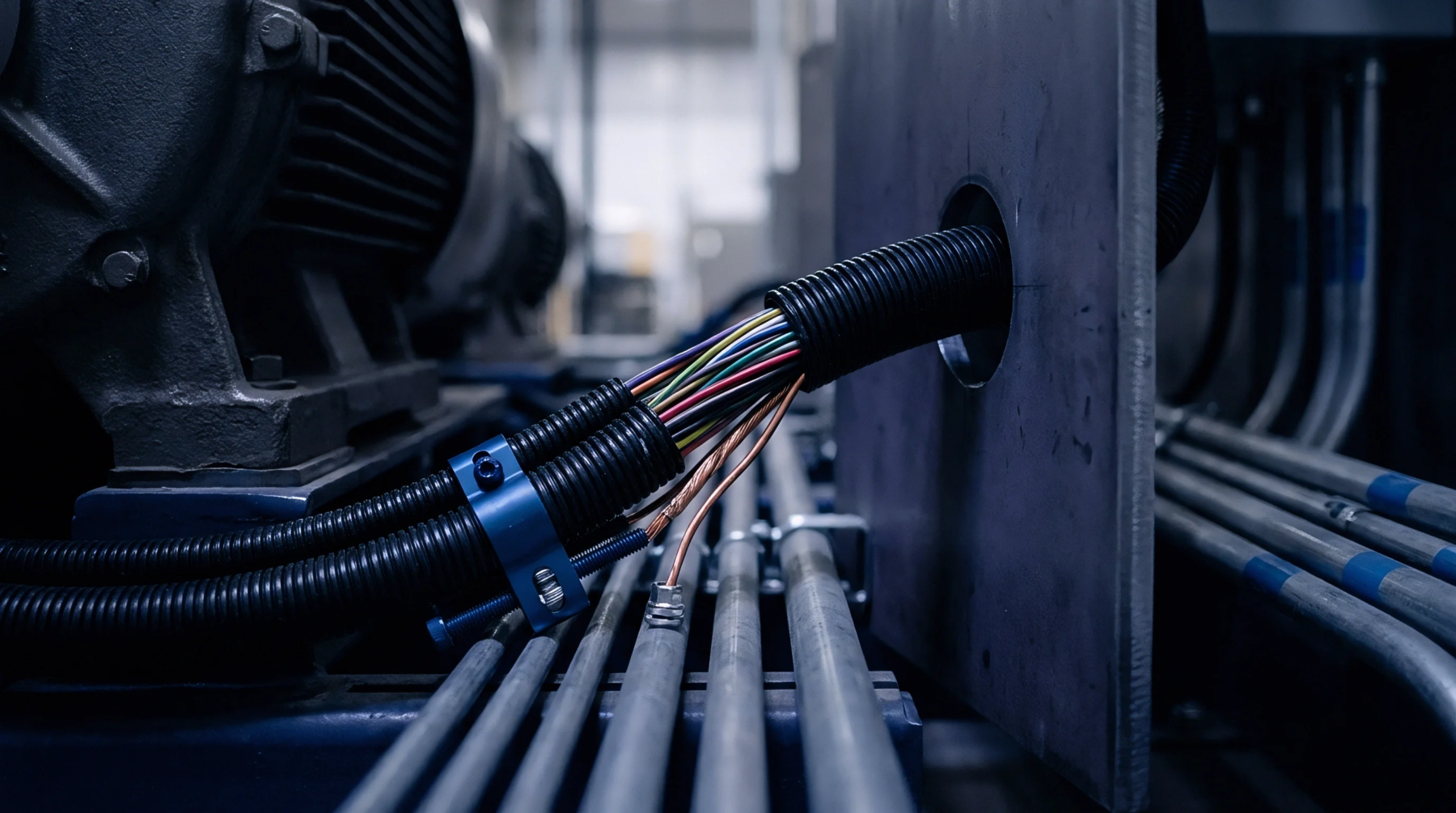
Tensile Separation
Normal forces applied to the edge of a flexible or rigid layer tend to lift it away from the underlying surface. Within a printed circuit, peel stress concentrated at the interface of the copper foil and the dielectric determines the strength of the trace. It is a standard measure for flexible circuits that undergo repeated bending or for rigid boards where heavy components are soldered to thin pads.
Delamination Cause
Mechanical handling or thermal expansion can trigger a localized lifting that spreads across the bond line. When a board experiences peel stress, the energy focuses on a narrow line at the leading edge of the separation. This concentration makes it easier for a small defect to grow into a major failure.
High temperatures during hand soldering are a common cause of this stress on surface mount pads. If the adhesive holding the copper to the FR4 softens, the pad may lift when the iron is removed. Manufacturers use chemical treatments to create a dendritic surface on the copper that resists this lifting.
Adhesion Measurement
Standardized tests involve pulling a strip of foil at a ninety-degree angle to the substrate at a constant speed. The resulting value for peel stress is expressed in pounds per inch or Newtons per millimeter. This measurement ensures the laminate meets the minimum requirements for industrial use.