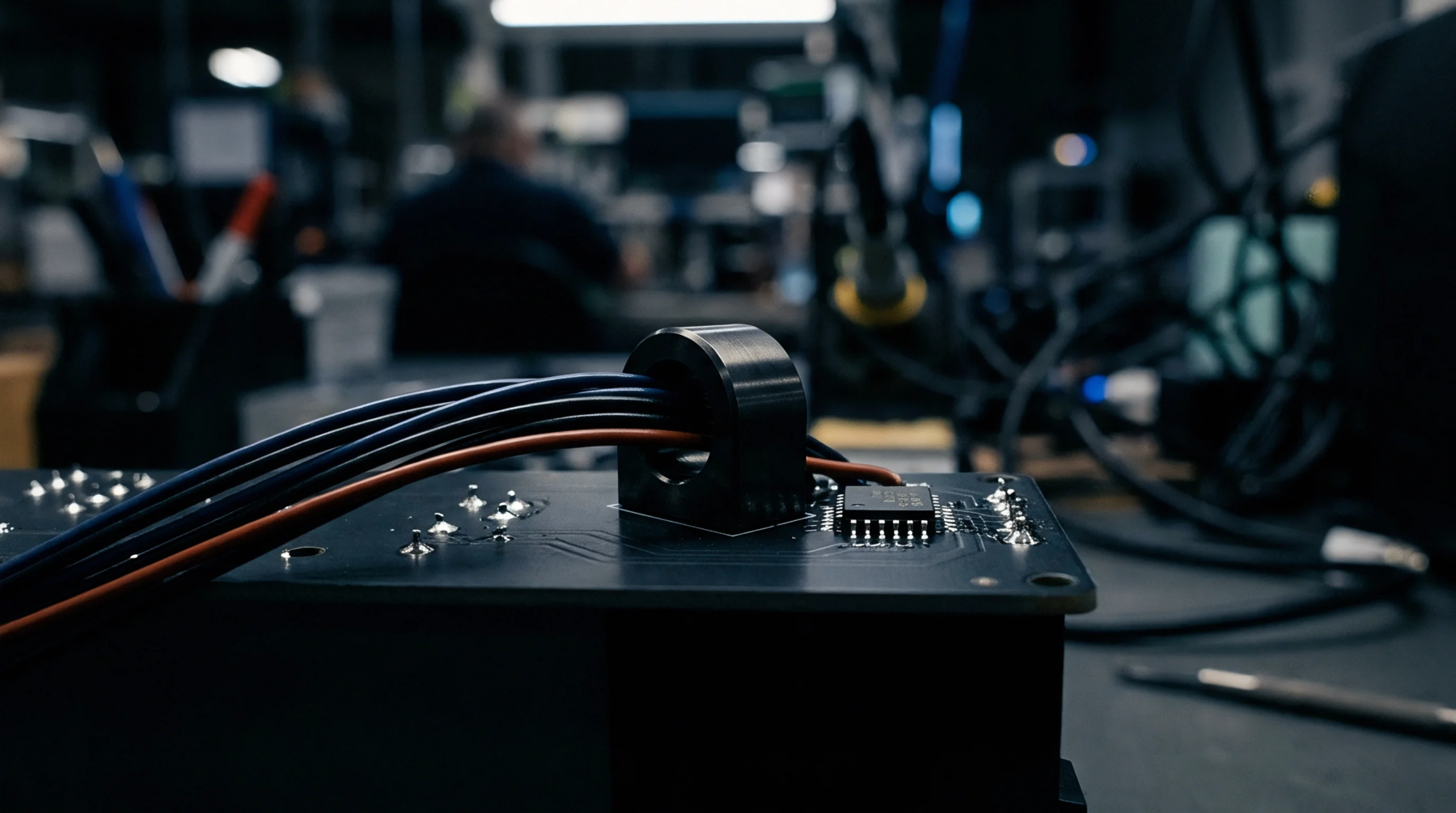
Interface Module
Test systems utilize physical adapter modules to bridge the generic interface of automated test equipment to a specific circuit assembly. A personality card routes the standard signal channels of the test platform to the unique pinout of the board under test. This adapter card contains the specific traces, connectors, and passive components necessary to match the electrical conditions of the target board.
By using these interchangeable modules, manufacturers avoid the cost of buying dedicated test machines for each product. The adapter boards can be swapped quickly during production line changeovers, making the testing area highly flexible and reducing idle machine time.
Hardware Configuration
Designers place active buffers, relays, and loads directly on the board to optimize high-speed signal pathways. The personality card must reside close to the test fixture to minimize noise and parasitic capacitance during measurement cycles. This proximity prevents signal degradation and allows for accurate voltage measurements on high-speed traces.
The card layout is customized for the target board, ensuring that high-frequency clock lines and sensitive analog paths are isolated from noisy power lines.
Diagnostic Role
Automated routines verify that the adapter is connected and functioning before starting a board diagnostic run. The test executive reads an identification chip on the personality card to confirm the correct hardware is installed. This step prevents damage to both the test system and the product being tested.
Regular maintenance checks are executed on the card to identify worn pins or damaged relays.