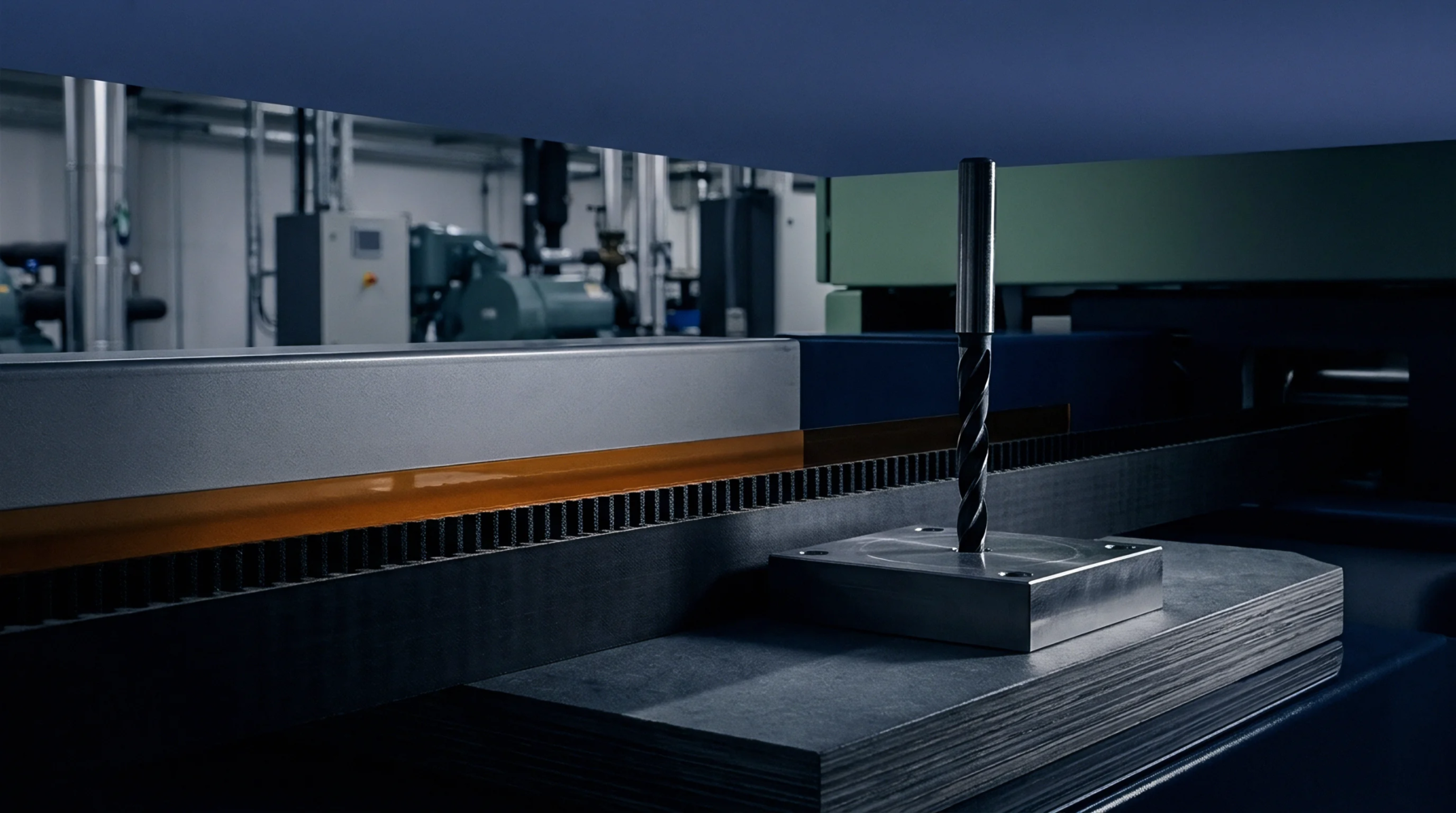
Nozzle Displacement
Downward Z-axis quill excursion driven beyond the point of initial component contact establishes physical lead seating into wet solder paste deposits. This mechanical machine parameter constitutes placement force overdrive, ensuring consistent paste wetting and planarity compliance across all terminations of high-density components. The control parameter functions solely during pick-and-place component delivery, ceasing once the vacuum seal releases and the placement head retracts.
Mechanical Execution
Surface mount machines command high-speed linear motors or pneumatic dampening systems to press components into position. When the bottom planes of device leads touch paste deposits, the spindle continues its downward stroke by a programmed increment, typically ranging from twenty-five to one hundred micrometers. This motion compresses the solder paste deposit, breaking surface oxides and embedding leads into the flux suspension.
Voice-coil actuators and real-time load cells measure feedback resistance during compression to prevent component damage. Insufficient force leaves outer leads suspended above the paste, risking solder open defects during subsequent reflow. Excessive overdrive causes excessive paste squeeze-out, resulting in solder balls and adjacent trace bridges.
Delicate silicon dies and fragile quad flat packages demand strict overdrive limits to avoid internal micro-cracks.
Setting Parameter
Assembly engineers configure overdrive profiles within machine placement programs according to component weight, lead geometry, and termination count. The target balance provides positive paste penetration without exceeding the crush limits of component packages or underlying solder mask coats. Post-placement optical scanning checks paste displacement rings around component leads to verify consistent pressure distribution.
Visual inspections confirm lead heel and toe wetting, rejecting panels showing sheared solder deposits caused by over-compression. Incorrect parameter entries propagate defects across entire production runs. Machine calibration procedures regularly test load sensor accuracy against external strain gauges to prevent drift over high-speed operating cycles.