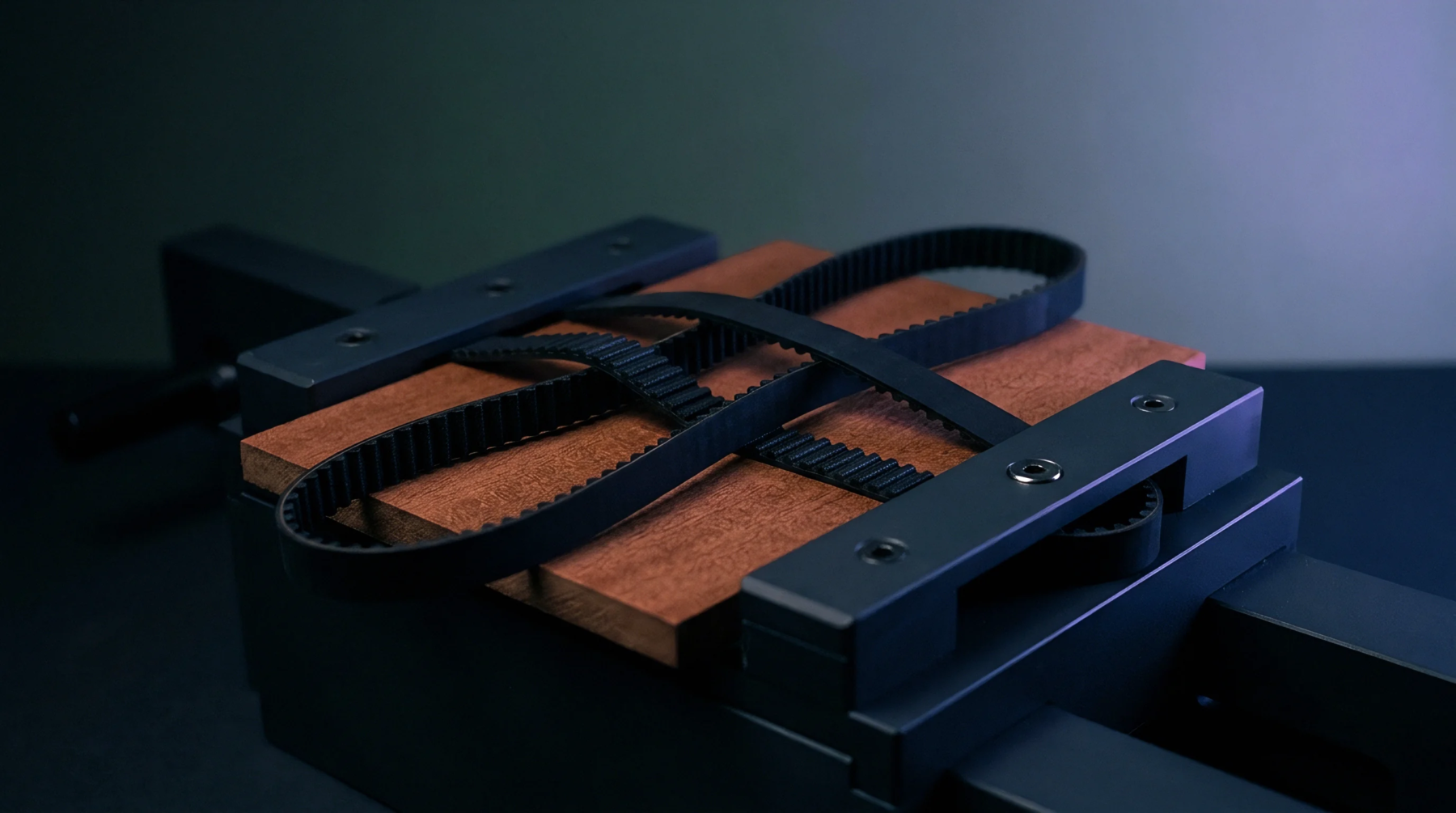
Mechanical Alignment
Vertical deviation between the opposing surfaces of a press setup determines the flatness of the resulting laminate or bonded assembly. Platen parallelism defines this gap consistency across the entire interface during high pressure operations. Proper calibration ensures that force distributes evenly across the panel area rather than concentrating on high spots that cause resin starvation or internal stress.
Machines lacking this control produce boards with varying dielectric thickness, which alters impedance values and creates uneven mechanical strength across the substrate.
Geometric Tolerance
Fabrication specifications establish a maximum allowable variance for this gap measured in fractions of a millimeter. Technicians verify the setting by placing lead foils or calibrated electronic sensors at the four corners and the center of the press bed before applying full load. Variations exceeding the design limit indicate thermal expansion distortion or wear in the hydraulic guides that support the movable plates.
Compensating for these deviations requires adjusting the leveling jacks or shim stacks underneath the platen support structure. Once locked into position, the alignment holds until the next scheduled maintenance interval or after a major mechanical impact occurs. A stable press configuration maintains uniform pressure gradients that prevent the warping of multilayer stacks during the critical stages of curing and consolidation.
Operational Variance
Consistent contact pressures guard against the shifting of inner layers during the bonding cycle. Thermal cycling during production cycles shifts the load bearing points and requires periodic re-validation of the plate geometry. Excessive tilt introduces shear forces that displace small features or damage fragile traces buried in the stackup.
Controlled pressure distribution prevents the formation of voids within the epoxy matrix by forcing gases outward from the center. High volume throughput relies on the inherent stability of the machine structure to achieve repeatable results across multiple shifts. Maintaining precise contact zones minimizes the need for corrective secondary processes and yields higher board reliability throughout the assembly life cycle.