Structural Unit
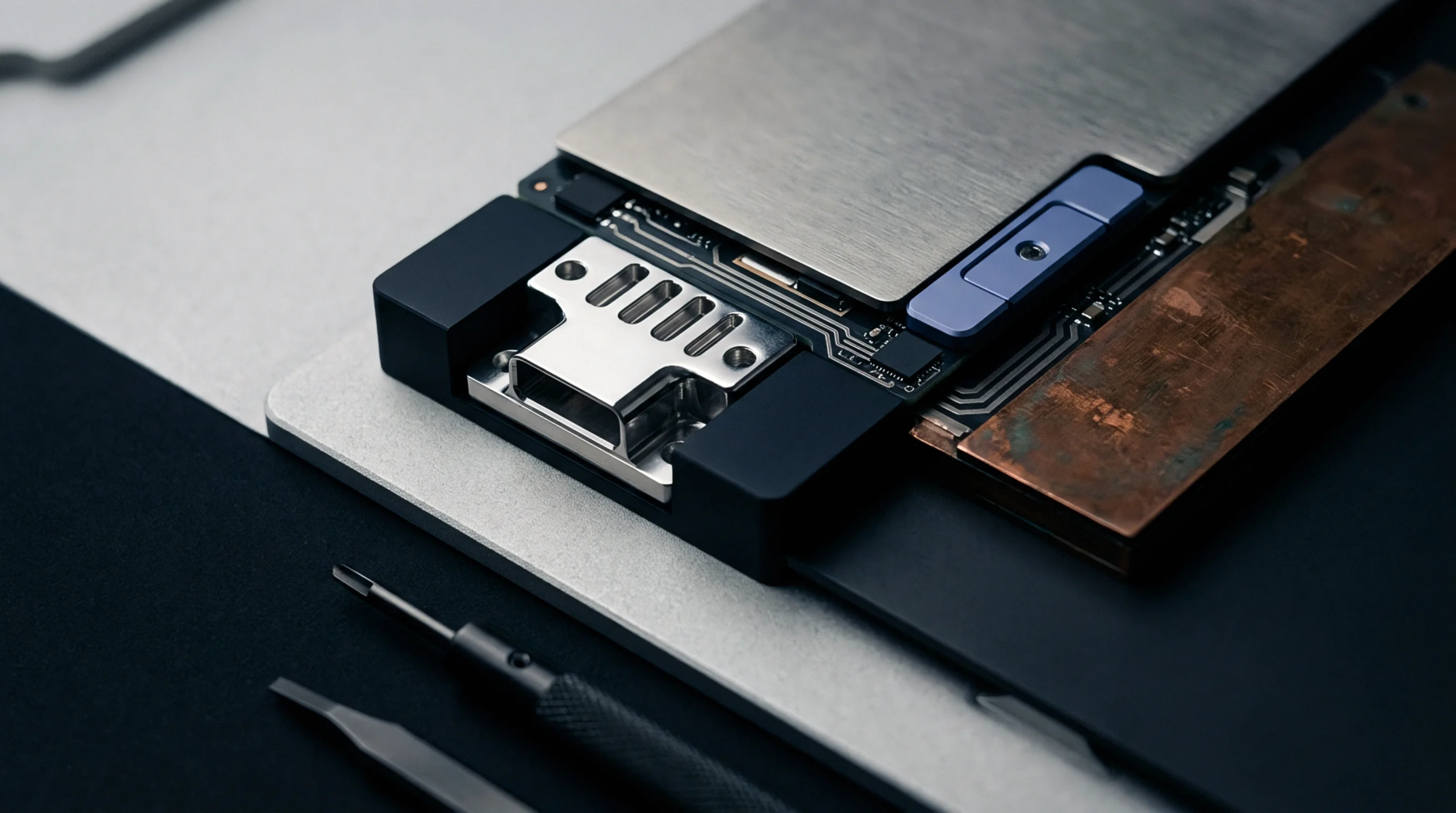
Completed electronic boards containing both active and passive components provide the functional foundation for modern electronic systems. This fully populated board, formally designated as a printed circuit assembly, represents the stage where a bare circuit board has undergone solder paste printing, component placement, and thermal reflow. It differs from a bare board because it is a completed, functional circuit ready for system integration.
The assembly acts as the physical support and electrical interconnect for the integrated circuits, resistors, and connectors mounted upon it.
Assembly Method
The production process for these boards involves precise placement and soldering of surface-mount and through-hole devices. An automated pick-and-place machine positions each component onto the solder paste deposited on the board pads. In the reflow oven, the solder paste melts to form electrical and mechanical joints.
This process must be controlled to prevent defects such as tombstoning or solder balling on the printed circuit assembly. For through-hole components, selective soldering or wave soldering is used to fill the barrels and establish the connection.
Quality Acceptance
Quality inspections are conducted to verify compliance with industry standards such as IPC-A-610 before shipment. Automated optical inspection scans each printed circuit assembly to check for missing components, misalignments, solder joint quality, and board warpage. For boards with ball grid array packages, X-ray inspection is used to check the hidden joints for voids or bridges.
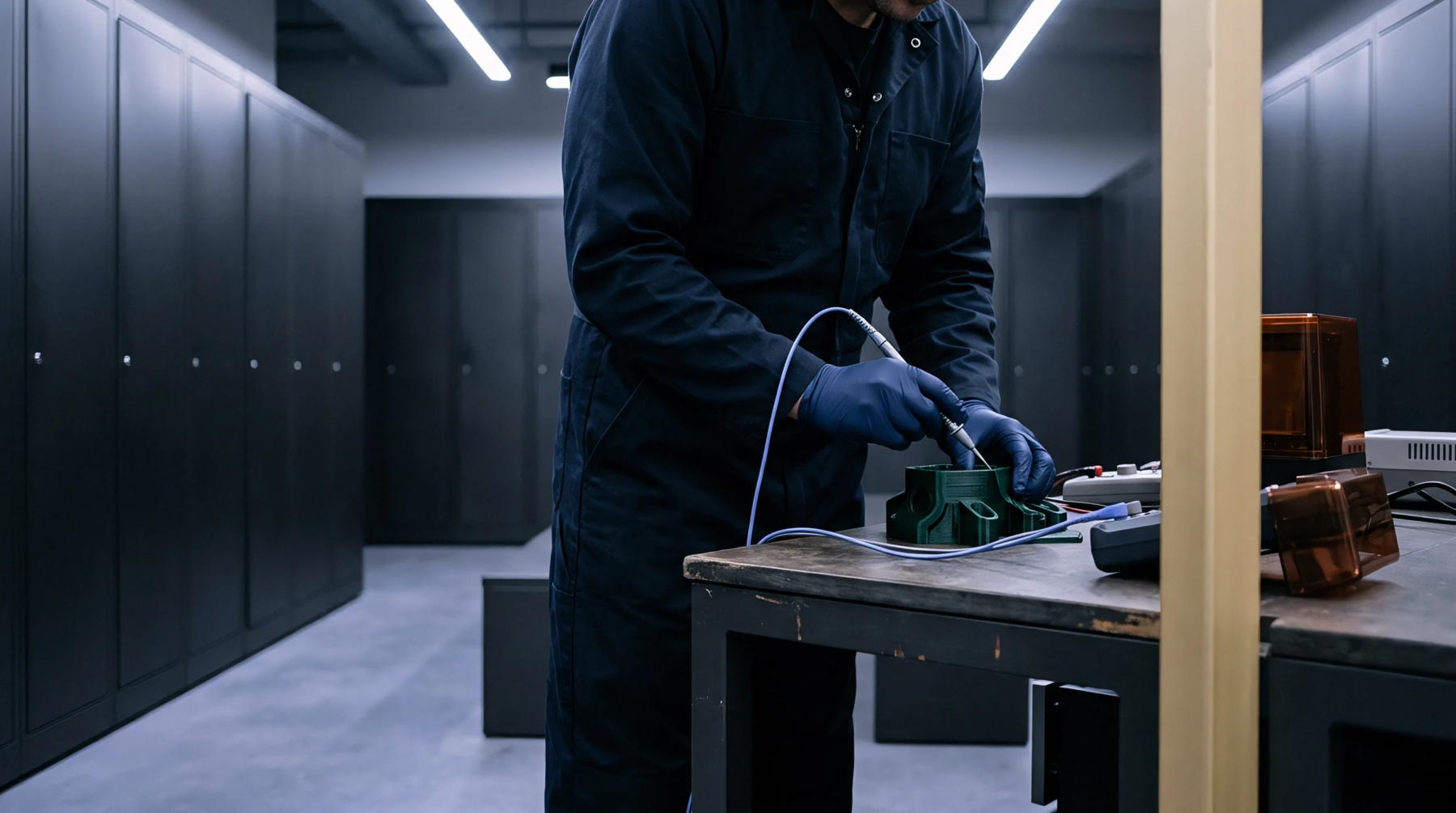
Functional testing is then executed to ensure that the electrical characteristics of the completed unit meet the design specifications. Boards that fail are sent to a rework station where technicians use specialized soldering tools to correct the identified defects. This thorough verification prevents defective units from being installed into higher-level systems where failure would cause expensive field repairs.
In addition, statistical process control tools track the defect rates to identify drift in the assembly line equipment.