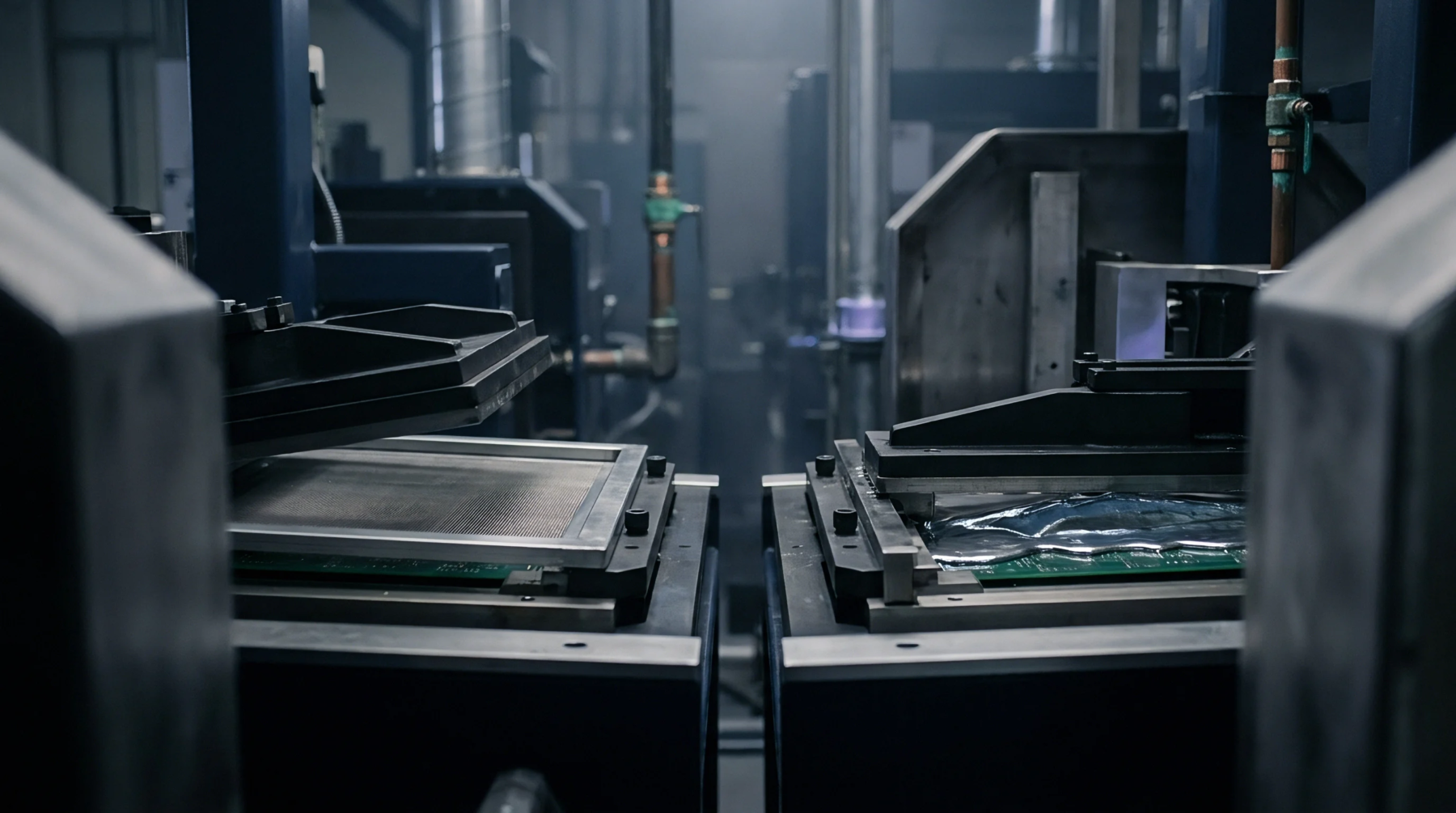
Verification Protocol
A systematic verification program confirms that a fabricated circuit board complies with the design requirements and industry standards. This process, known as printed circuit qualification, involves subjecting sample boards to rigorous environmental, electrical, and mechanical stress tests. Successful completion of these evaluations is necessary before a fabricator receives authorization for mass production.
Evaluation Procedure
Testing laboratories evaluate representative coupons and finished boards through a series of demanding trials. Engineers execute thermal shock tests and moisture insulation resistance tests to verify that the dielectric materials do not degrade under harsh conditions. Solderability testing assesses how well the board finishes accept molten solder during assembly.
Microsection analysis of plated through-holes provides clear evidence of copper thickness and internal connection stability. These laboratory findings ensure the board can survive both the assembly process and field operation.
Quality Assurance
Documentation of the qualification results provides the purchasing entity with confidence in the manufacturer’s capabilities. Fabricators must maintain these records to prove compliance with strict military and aerospace standards. If any test fails, the fabrication process must be audited and adjusted to resolve the root cause of the non-conformance.
This rigorous oversight reduces the risk of unexpected circuit failures in high-reliability applications.