Actuation Length
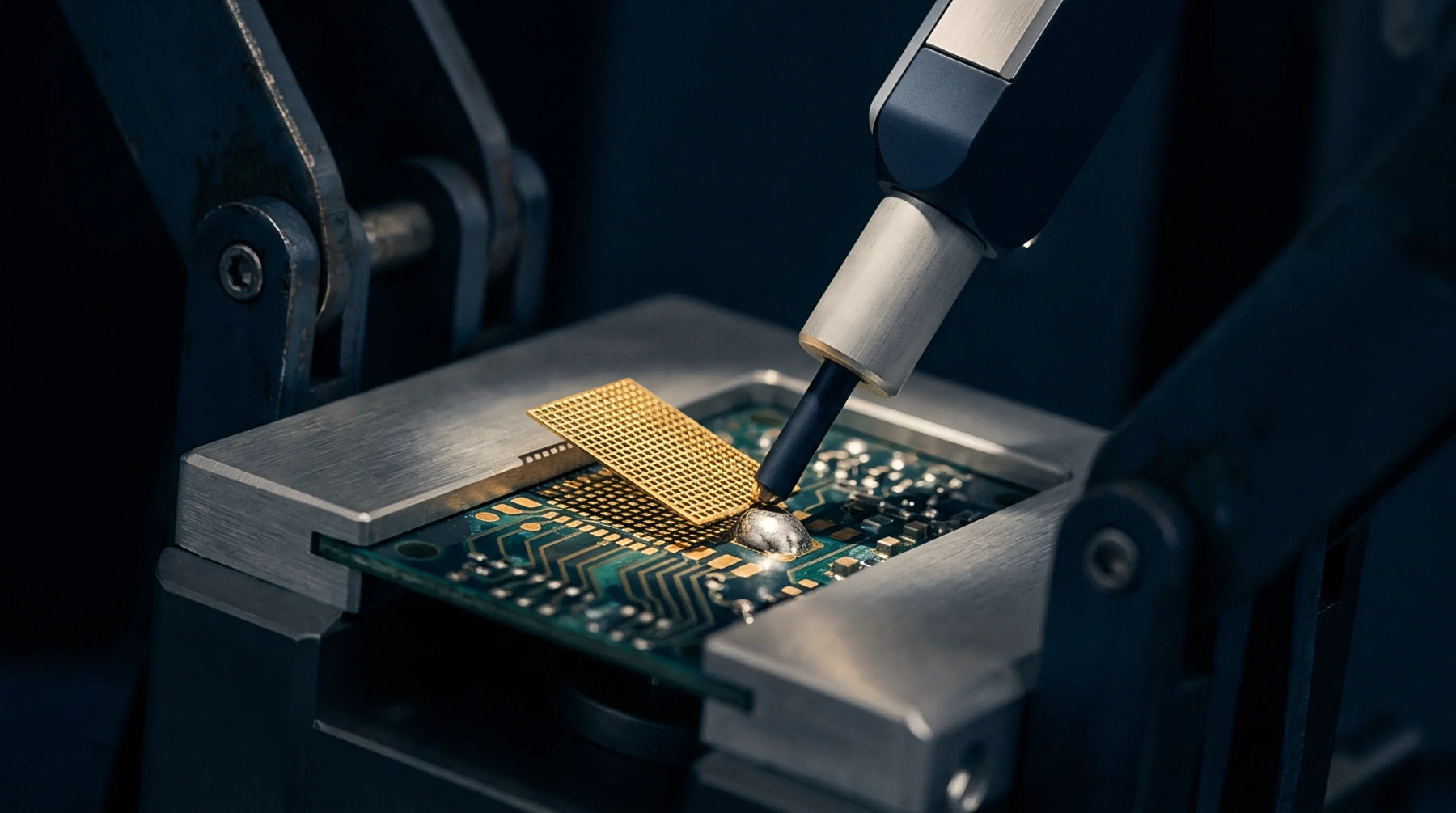
Linear displacement is the total distance that a spring-loaded test pin compresses from its uncompressed state to its fully active test position. In circuit testing systems, the probe travel distance must be carefully calculated to ensure that reliable electrical contact is made without damaging the target pads on the circuit board. This measurement is necessary for selecting the correct probe series.
Contact Performance
Achieving stable contact resistance requires sufficient compression of the spring-loaded pin to break through thin oxide layers on the solder pads. If the probe travel distance is too short, intermittent electrical contact occurs, which leads to false test failures and prolonged diagnostic times. Conversely, excessive compression can cause the probe tip to puncture the solder pad or crack the underlying circuit board laminate.
Fixture design teams use detailed CAD models to calculate the height of the test plate relative to the board support pins, ensuring that each probe operates within its optimum working stroke. This mechanical balance ensures both electrical reliability and physical protection for the assembly under test.
Mechanical Limit
Physical travel limits are specified by the probe manufacturer to prevent the spring from reaching its solid height during compression. Over-compression deforms the internal spring and reduces the operating lifespan of the test pin. Monitoring the deflection of the fixture assembly ensures that the probes run within their designed tolerance band.