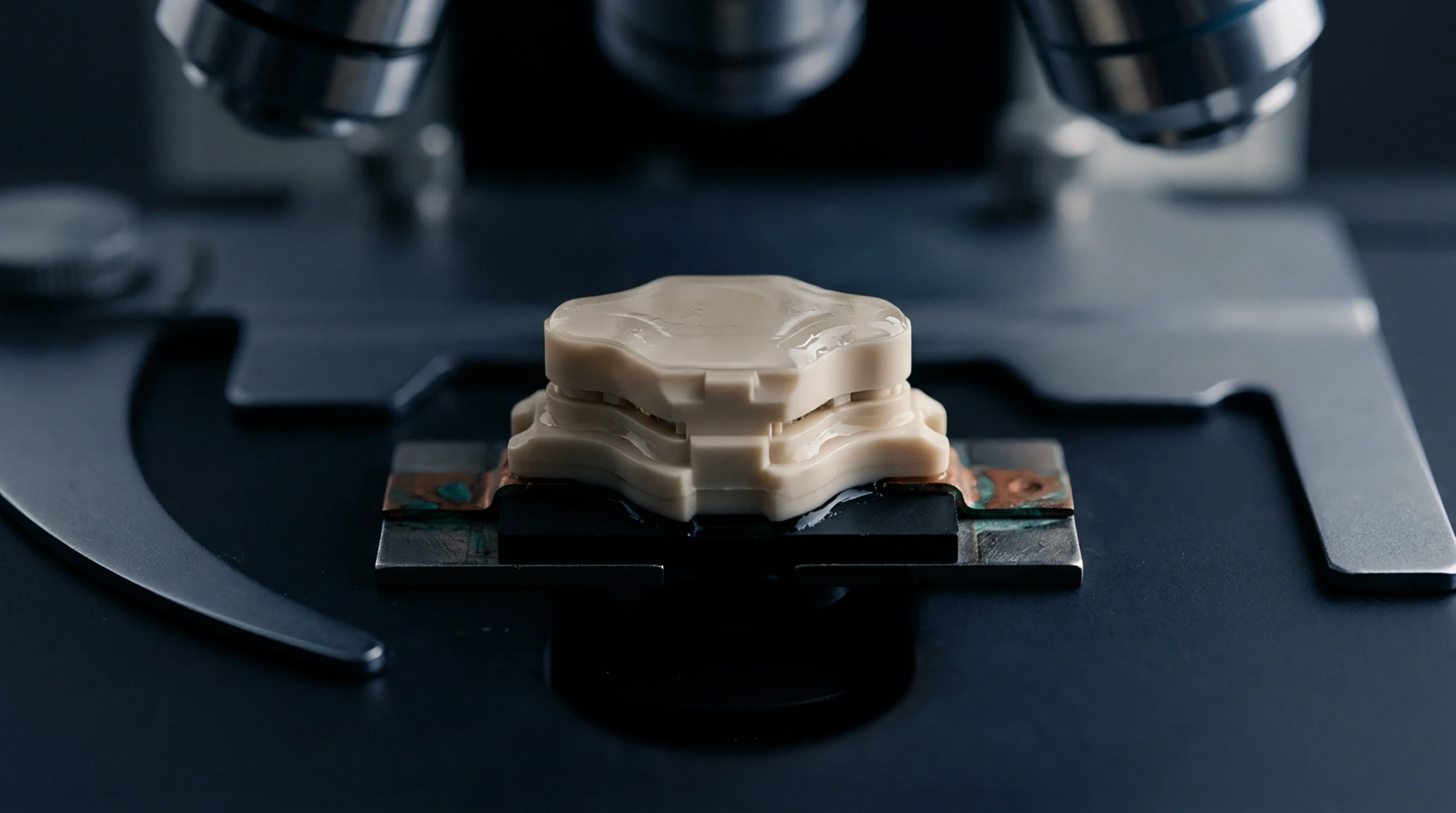
Solder Joint
Measurement of the vertical height of solder that rises inside a plated through-hole during wave or selective soldering determines the strength of the electrical connection. Achieving sufficient pth barrel fill is essential for ensuring mechanical stability of through-hole components. Industry standards like IPC-A-610 specify the minimum percentage of fill required for different class products.
A higher fill percentage ensures reliable performance under continuous thermal and mechanical stress.
Assembly Challenge
Thermal mass of the component pin and the surrounding board copper affects how easily the molten alloy flows upward. Thick copper ground planes draw heat away from the hole, causing incomplete pth barrel fill. Assemblers must balance preheating temperatures and contact times to overcome this thermal sink.
Inspection Validation
Visual inspection of the top side of the board is the first method used to check the completeness of the solder connection. Because visual checks cannot see inside the barrel, x-ray inspection represents the most reliable non-destructive method to measure pth barrel fill. This tool detects hidden voids and calculates the exact percentage of solder volume in the hole.
If the solder fill falls below the specified seventy-five percent threshold, the assembly must be reworked to prevent latent failures in the field. Routine testing of assembly parameters keeps the soldering process stable and reduces defect rates. Regular cross-sectioning of test coupons further confirms that intermetallic bonds are forming correctly along the copper plating of the hole wall.