Fluid Accumulation
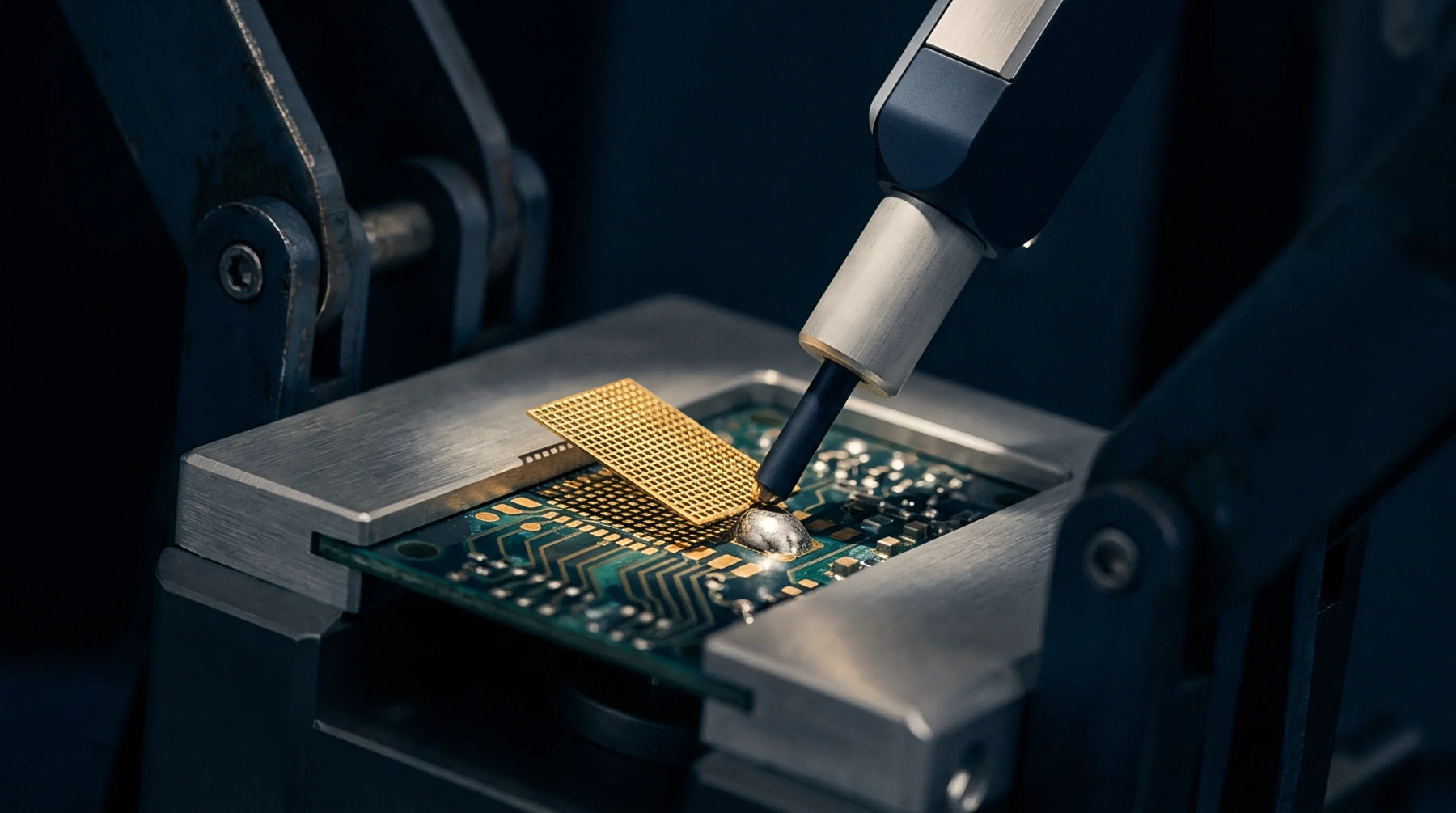
Conveyorized wet chemical processing of flat printed circuit panels suffers from fluid dynamic imbalances on horizontal surfaces. The puddle effect describes the pooling of liquid etchant on top of upward-facing copper panels as spray nozzles discharge chemical solutions. Liquid pooling creates a stationary chemical barrier that slows local reaction kinetics.
Etch Asymmetry
Top and bottom panel surfaces experience unequal chemical exchange rates inside horizontal spray etching chambers. Observing the puddle effect reveals that spent etchant collects in central panel areas, preventing fresh chemical solution from reaching underlying copper foil. The bottom panel surface allows spent fluid to fall away freely by gravity, resulting in faster and more uniform etching rates on the underside.
Trace widths on top surfaces turn out wider in central regions due to etchant stagnation, creating non-uniform line geometry across the panel format. Adjusting top and bottom spray pressure differentials counteracts this liquid pooling phenomenon. Oscillating spray banks and high-impact fan nozzles break up surface tension to dislodge standing liquid pools.
Process Mitigation
Vertical etching equipment or specialized air-knife blowers remove standing liquid layers to maintain uniform copper removal. Correcting puddle effect distortions preserves tight trace width tolerances across high-density circuit panels. Slanted conveyor configurations assist liquid runoff during active etching phases.
Inspection checks verify etch factor uniformity across both panel surfaces.