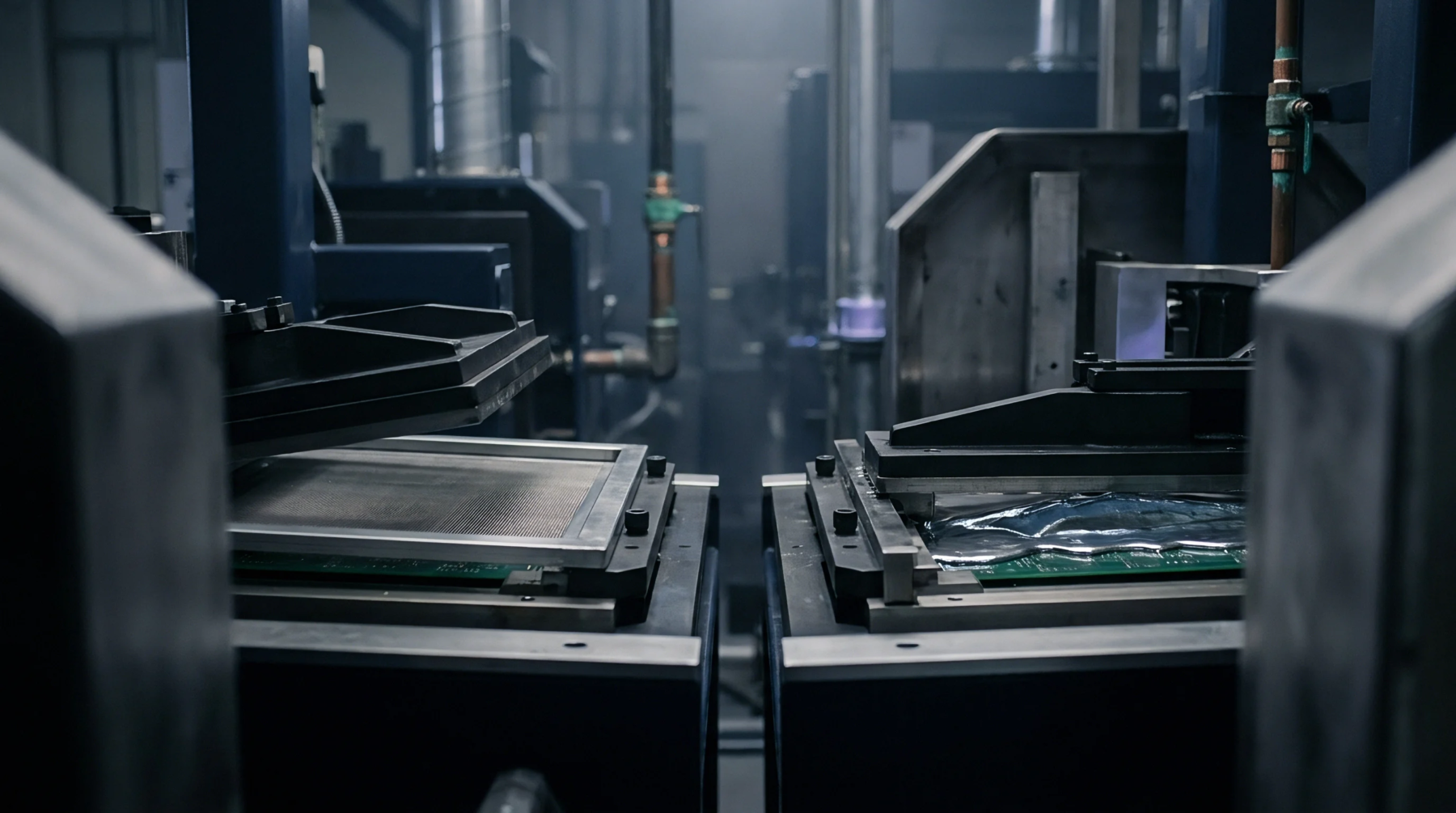
Thermal Gradient
Temperature profiling during printed circuit board assembly evaluates reflow oven performance. Thermal profile analysis measures the heating rate and peak temperature across various component packages on a densely populated board. Small passive components absorb heat faster than heavy integrated circuits, creating temperature differentials that can damage sensitive silicon or leave solder joints undercooked.
Thermocouples attached to vulnerable joints record the actual thermal exposure during the pass through the convective reflow zones.
Profile Optimization
Conveyor speed adjustments and zone temperature setpoints alter the thermal curve to match solder paste manufacturer specifications. Peak soak duration must allow flux activation without oxidizing the metallic surfaces before liquidus state is reached. Cooling rates dictate grain structure formation within the joint, influencing mechanical fatigue resistance under thermal cycling conditions.
Excessive cooling speeds introduce microvoids, whereas overly slow transitions cause intermetallic compound overgrowth that weakens the connection.
Defect Prevention
Insufficient preheat duration causes tombstoning when uneven wetting pulls a chip capacitor upright off one pad. Excessive peak temperatures warp the laminate substrate, fracturing internal copper planes and causing intermittent electrical failures in service. Automated optical inspection and X-ray imaging verify joint integrity downstream, confirming that the applied thermal parameters produced acceptable wetting angles and void percentages.
Process engineers adjust the profile parameters whenever paste lot variations or board copper weight changes shift the measured thermal response outside acceptable limits.