Eutectic Ratio
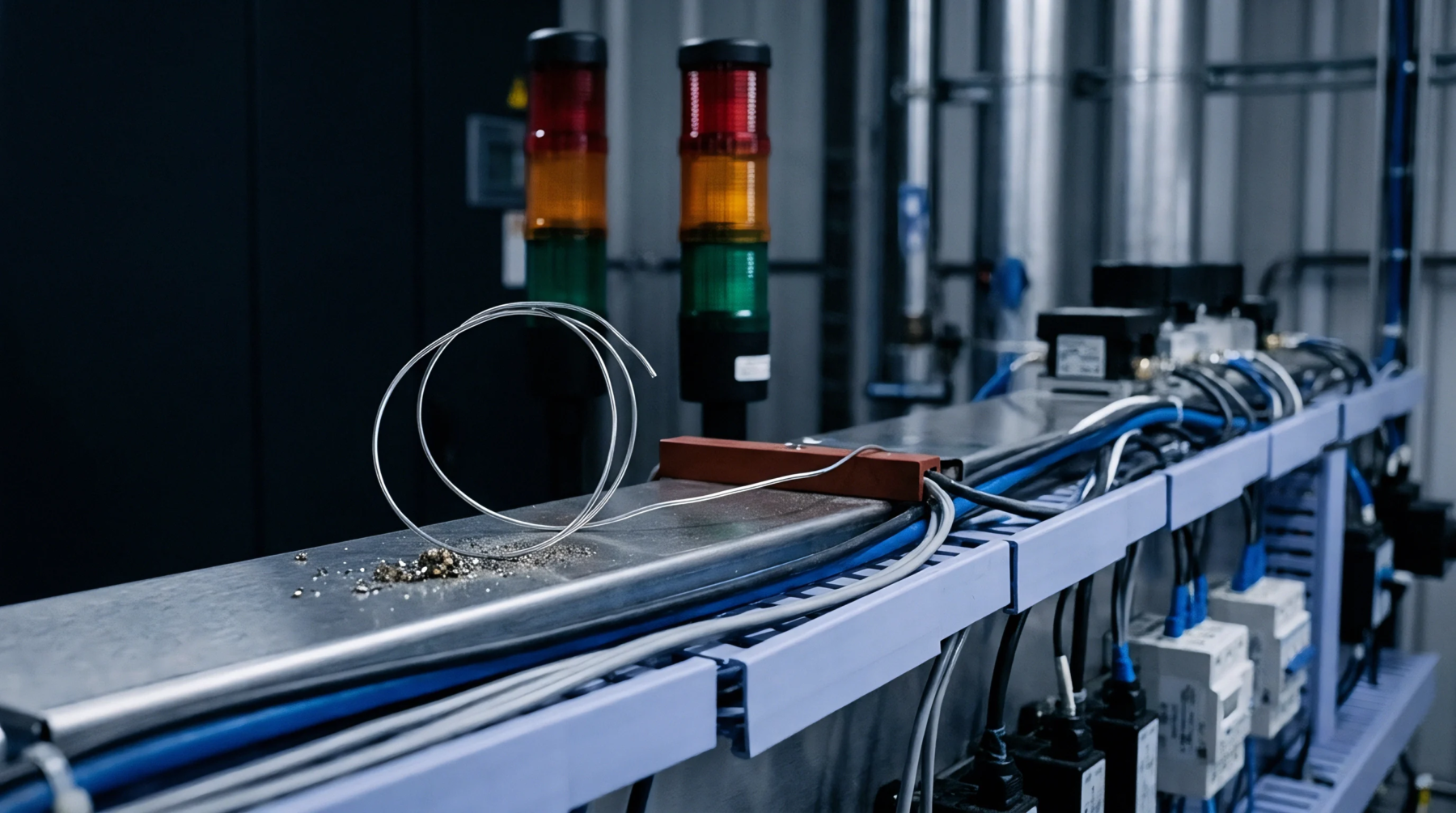
This material composition defines a binary solder alloy reaching a phase transition at 138 degrees Celsius. The sn42bi58 mixture exhibits a low melting point that prevents thermal damage to temperature sensitive components on printed circuit board assemblies. It functions as a permanent electrical connection between metal leads and pads on a substrate.
The alloy consists of tin and bismuth combined in a specific mass proportion to minimize the temperature gradient during reflow processes. This chemical configuration remains stable under moderate environmental conditions. Thermal cycling beyond the recommended operating range causes fatigue in the intermetallic bonds because the metal lacks ductility compared to traditional tin lead or tin silver copper alternatives.
Thermal Profile
Proper application of sn42bi58 requires a restricted oven profile to ensure complete wetting without overheating the delicate parts or the circuit board laminate itself. The lower peak temperature reduces heat exposure to organic substrates during the assembly process. Operators calibrate the convection reflow zones to accommodate the rapid transition from solid to liquid phase inherent in this eutectic metal blend.
Failure to maintain these parameters leads to solder voids or poor wetting on oxidized surfaces. Quality control inspectors verify the results through X-ray examination because optical inspection often misses internal defects hidden beneath the component body. A cold joint appears as a grainy texture when the alloy cools too quickly or the heat input stays below the required limit during the peak phase.
Mechanical Constraint
Surface finish selection influences the long term reliability of sn42bi58 in field operations. Bismuth rich alloys demonstrate high hardness but possess limited resistance to shock or vibration compared to common leaded solders. Designers account for this brittleness by providing extra mechanical support for large connectors or heavy integrated circuits to prevent fractures from occurring at the solder interface.
The material maintains electrical continuity provided the physical strain on the joint stays within the elastic deformation zone. Brittle failure occurs when the component experiences excessive deflection relative to the stiffness of the solder connection. Mechanical robustness depends entirely on the design of the board layout and the securing of heavy parts against external impact.