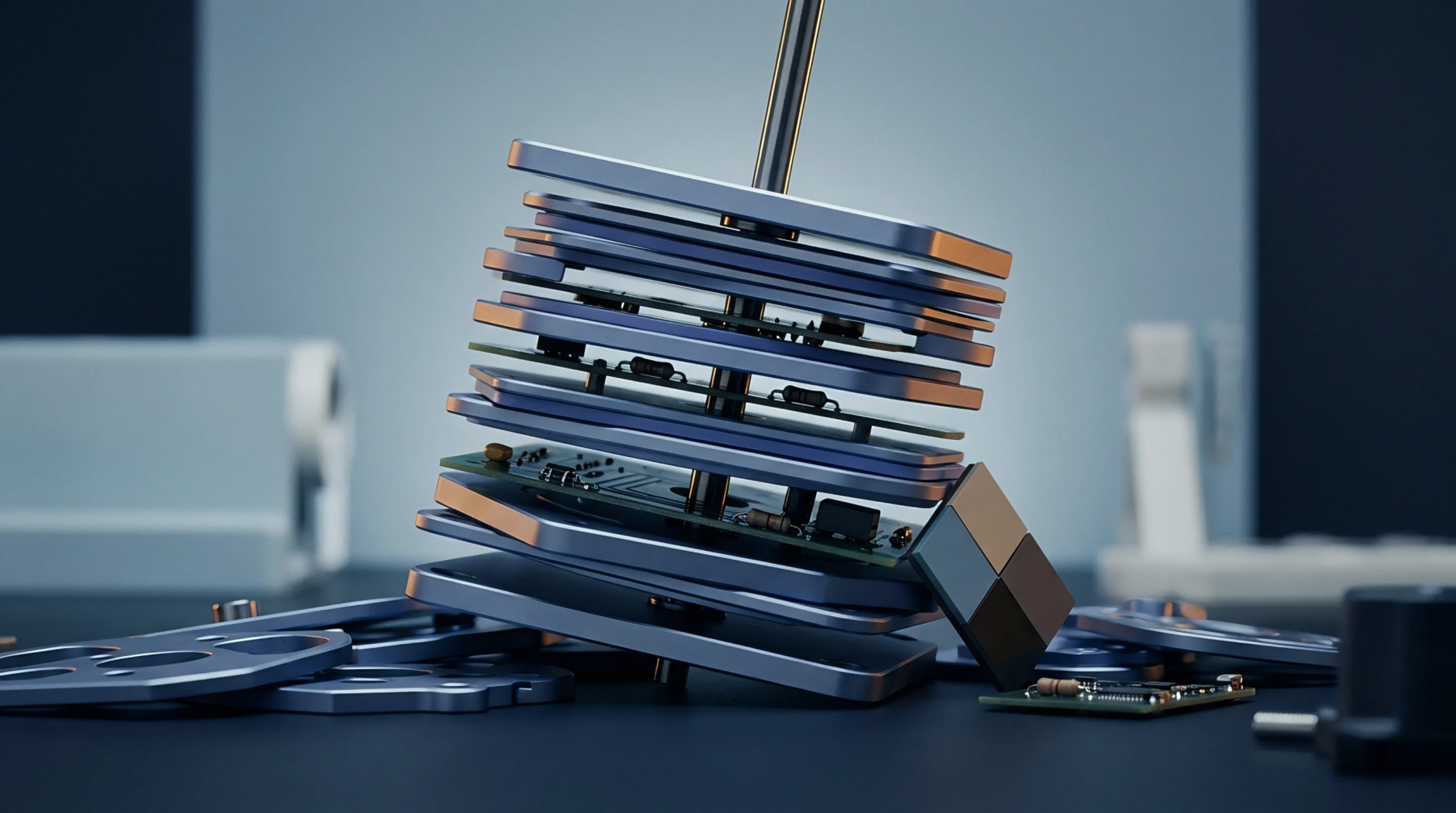
Transfer Mechanism
Print stroke completion and board separation phases represent the precise mechanical transition where deposit transfers from stencil geometry onto circuit pads. In surface mount assembly operations, solder brick release defines the physical separation of structured solder paste volumes from aperture walls onto target copper pads. Clean transfer requires that adhesive forces between solder paste and board metallization exceed cohesive forces within the paste and adhesive drag along aperture walls.
High area ratios ensure sufficient surface contact with target pads to pull paste free from stencil apertures.
Separation Velocity
Controlled separation speed governs the shear rate and flow dynamics of solder paste during vertical stencil lift. High separation speeds induce shear thinning, which reduces paste viscosity but can cause mechanical tearing or tailing along deposit edges. Slow controlled separation gives solder paste time to deform plastically, promoting clean detachment from aperture walls without leaving peaks or dog-ears on deposit tops.
Optimized separation profiles feature a slow initial displacement step followed by rapid acceleration once the solder brick release clears aperture walls. Surface energy treatments applied to stencil undersides prevent paste from bridging across aperture edges during board detachment. Board support systems eliminate substrate flexure during separation, preventing uneven detachment across large circuit boards.
Consistent environmental humidity prevents paste drying, ensuring stable tack force throughout long production shifts.
Deposit Integrity
Complete deposit transfer maintains precise volumetric dimensions required for fine-pitch component leads. Incomplete release leaves paste behind in apertures, causing starving solder joints and height variation across component arrays. Three-dimensional inspection systems verify volume transfer efficiency after detachment.