Interconnect Rupture
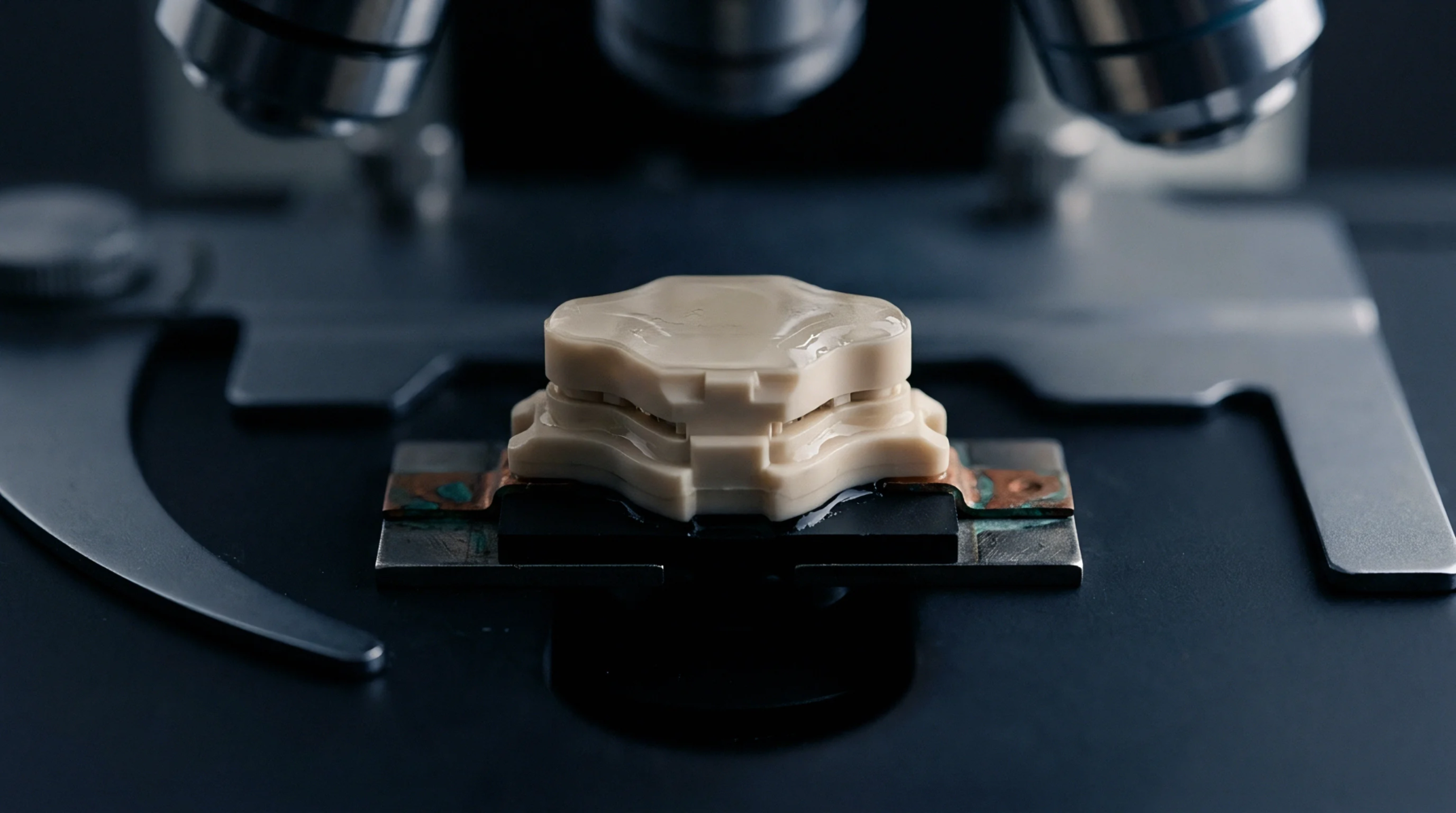
Structural degradation of electrical interconnects between component leads and circuit board landing pads disrupts signal transmission and compromises mechanical support. A solder joint failure occurs when mechanical stress, thermal cycling or intermetallic embrittlement causes cracking within the metallic bond interface. Unresolved joint fractures lead to intermittent electrical connections or total circuit open conditions under operational loads.
The defect manifests in surface mount and through-hole assemblies subjected to environmental stress.
Fatigue Propagation
Repeated thermal expansion mismatches between ceramic package bodies and FR-4 substrates induce cyclic shear stress in solder fillets. Accumulating solder joint failure damage begins with micro-void coalescing and grain coarsening near the component interface. Over operational cycles, micro-cracks propagate through the bulk solder matrix until complete structural separation takes place.
Excess intermetallic compound growth at the copper interface creates brittle Sn-Cu or Sn-Ni phases prone to shock fracturing during mechanical drop events. Solder alloy selection and reflow cooling rates directly govern joint fatigue life.
Diagnostic Detection
Non-destructive testing using X-ray inspection reveals internal voiding and structural cracks beneath ball grid array packages. Identifying solder joint failure during environmental stress screening prevents non-conforming assemblies from entering field deployment. Micro-sectioning and dye-and-pry testing confirm crack morphology during failure analysis.