Chemical Removal
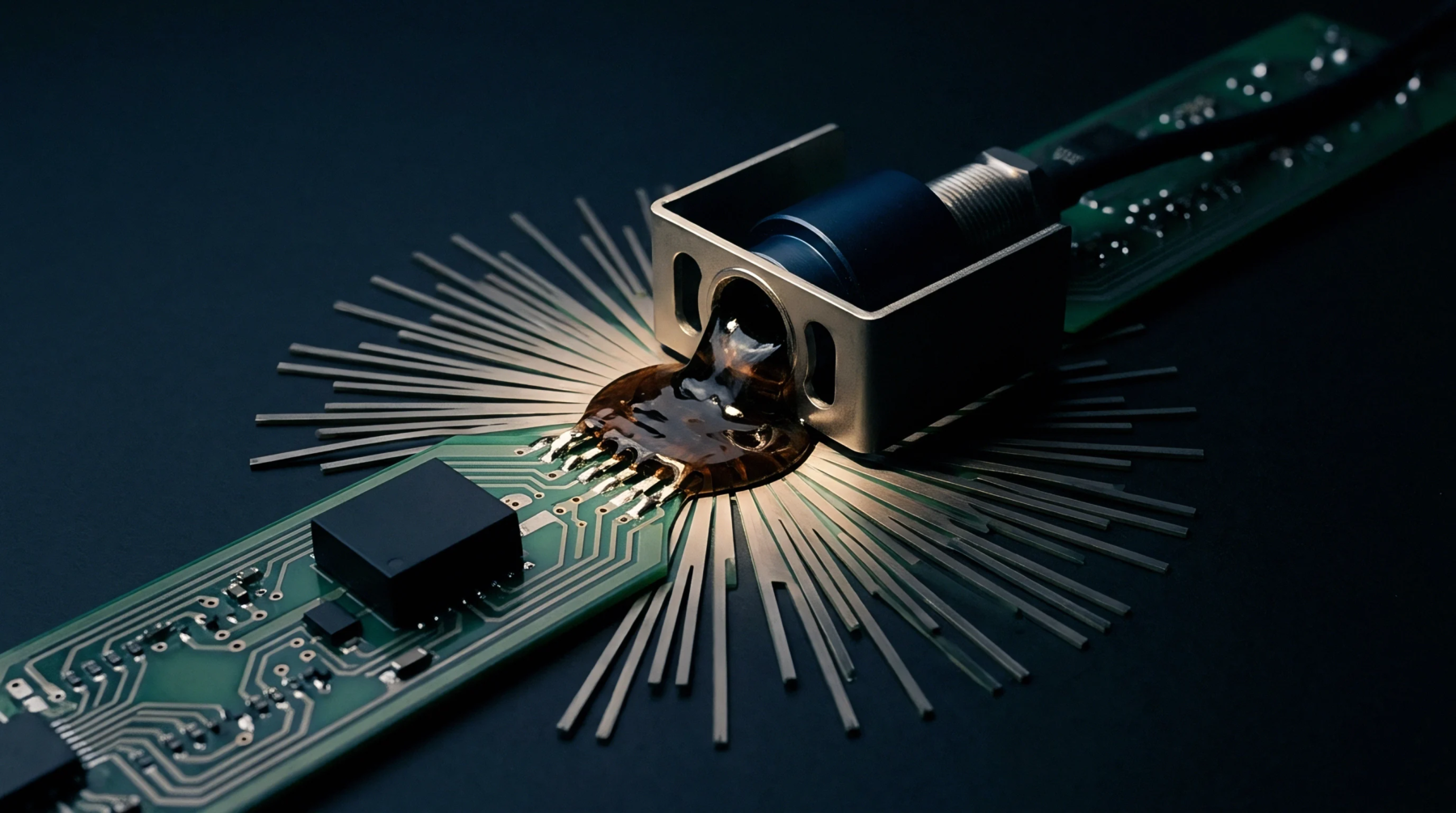
Selective dissolution of cured epoxy resins allows the recovery of valuable copper circuitry on boards that failed mask inspection. Executing solder mask stripping requires submerging the circuit board in specialized solvents that break down the cross-linked polymers without attacking the underlying composite substrate. This step reveals the bare copper lines and pads for inspection and re-coating.
Board Recovery
Reworking a panel prevents the loss of expensive materials and reduces the scrap rate of completed fabrication batches. When solder mask stripping is implemented, the process must be carefully monitored to avoid degrading the interlayer adhesion of the laminate. This monitoring is critical because prolonged exposure to the active stripping agents can cause delamination in high-temperature resin systems.
Copper Safety
Protection of the thin copper traces requires stripping solutions that do not react with or dissolve the conductive metal patterns. After the stripping action is complete, the boards must be thoroughly neutralized and washed to remove all active chemical residues that could later cause corrosion. This cleaning process leaves the reclaimed copper surfaces completely clean and ready for a new solder mask application.
If the surface is not clean, the next coat will suffer from poor adhesion and peel during soldering.