Surface Reflectivity
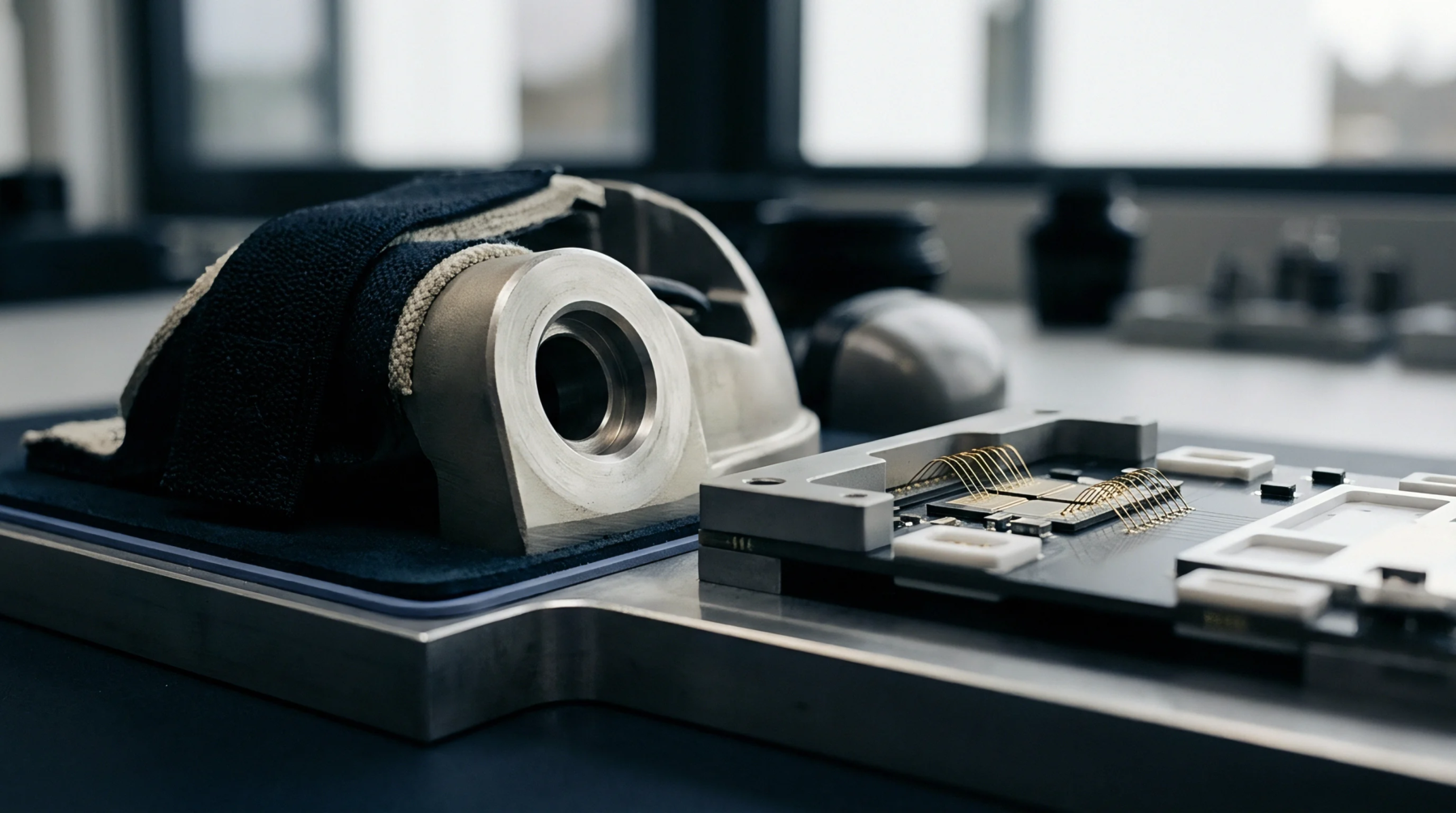
Ratio of light reflected at the same angle as the incident light to the total light reflected determines the mirror-like quality of a surface. Specularity is a defining characteristic of plated finishes like immersion gold or electroless nickel, where a high value indicates a smooth and uniform metal deposit. Automated optical inspection systems must be tuned to handle these highly reflective surfaces to prevent glare from saturating the camera sensors.
Inspection Contrast
Differences in the specularity of a solder joint can reveal the quality of the wetting and the presence of impurities in the alloy. A dull, grainy surface has low specularity and often points to a cold solder joint or excessive intermetallic growth. Conversely, a bright and shiny joint reflects light in a focused way, which the inspection software interprets as a sign of a successful soldering process.
This visual distinction allows for the automated sorting of boards based on the integrity of their electrical connections. High-speed cameras capture these variations by using multi-angled ring lights that highlight the curvature and smoothness of the solder fillet.
Process Indicator
Monitoring this property helps manufacturers detect changes in the chemistry of the plating baths or the condition of the etching solutions. If the surface finish suddenly loses its luster, it may indicate a problem with the cleaning steps or the presence of oxidation. Maintaining consistent surface finishes ensures that the board is functionally sound.