Paste Migration
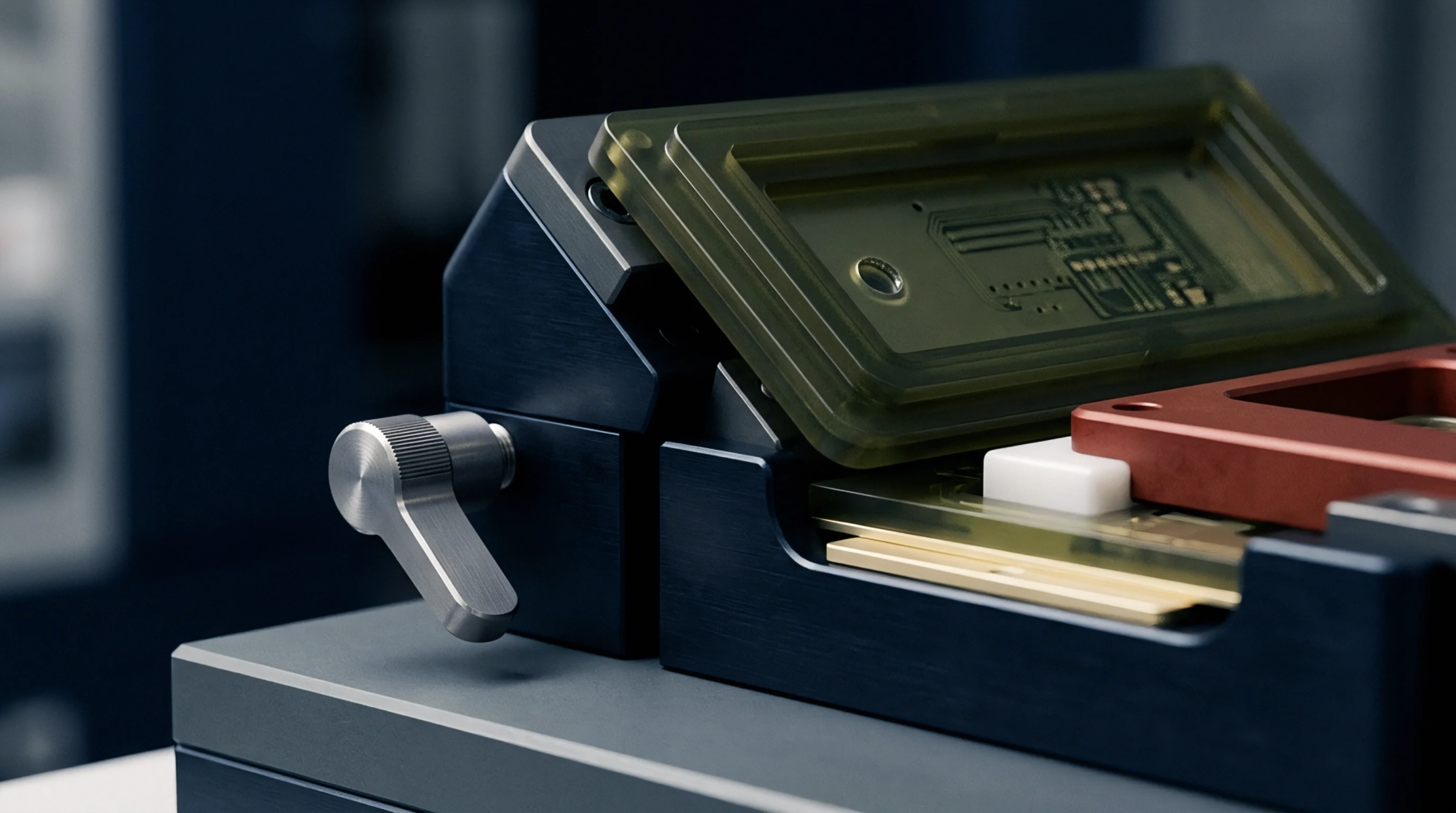
Excess solder paste migrates away from the intended pad boundaries during the printing cycle. Stencil aperture bleeding happens when the viscosity of the material drops or the squeegee pressure forces excess paste underneath the stencil foil. This displacement creates a bridge between adjacent pads that alters the electrical path during reflow.
Correct alignment of the foil to the printed circuit board remains the primary control for this phenomenon.
Application Threshold
Solder mask definition provides the physical barrier that prevents fluid movement between circuit elements. Design rules for stencil thickness and aperture size define the acceptable volume of paste deposition. Variations in the seal between the stencil and the board surface change the amount of material pushed beyond the defined pad edges.
Mechanical constraints on the printer hardware limit how much paste deviates from the target site.
Thermal Risk
Reflow processes exacerbate the presence of migrated paste by turning the scattered deposits into permanent conductive paths. Liquid solder surface tension pulls the displaced material into a short circuit during the transition phase. Inspection equipment identifies these deviations through contrast differences against the mask and substrate colors.
Post reflow electrical verification detects the resulting shorts that stem from improper paste transfer.