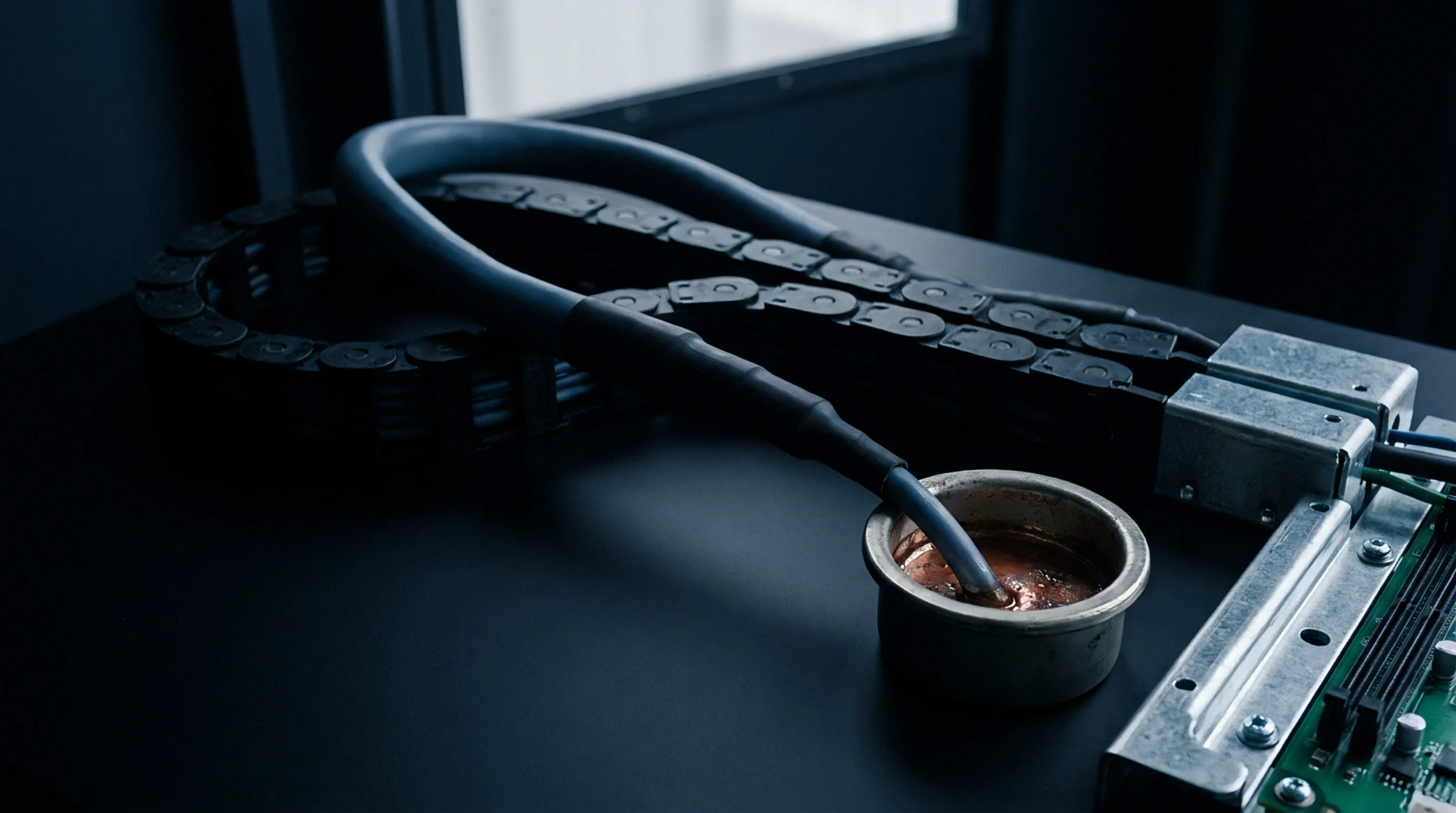
Deformation Reduction
Gradual decrease in the magnitude of mechanical deformation as it passes through a material or interface protects sensitive components from external loads. This strain attenuation occurs when a compliant layer, such as a solder ball or an underfill, absorbs the energy of a physical movement. The ability of a system to dissipate this energy determines the lifespan of joints under vibration or thermal stress.
Compliance Buffer
Stiff substrates transfer nearly all applied force directly to the solder joints, whereas flexible or toughened materials provide better strain attenuation. Adding a polymeric underfill between a ball grid array and the board distributes the load over the entire surface area instead of concentrating it at the pads. This redistribution reduces the local displacement experienced by each individual connection.
Thermal expansion mismatch between the silicon die and the laminate creates similar stresses that the underfill must also absorb.
Reliability Testing
Verification of the protective effect involves cyclic loading tests and real-time monitoring with strain gauges. Mechanical failure occurs if the strain attenuation is insufficient to keep the deformation of the copper traces or solder interconnections below their fatigue limit. Design engineers optimize the modulus of the materials to ensure the assembly can withstand the specified shock and drop requirements.