Woven Fabric Specification
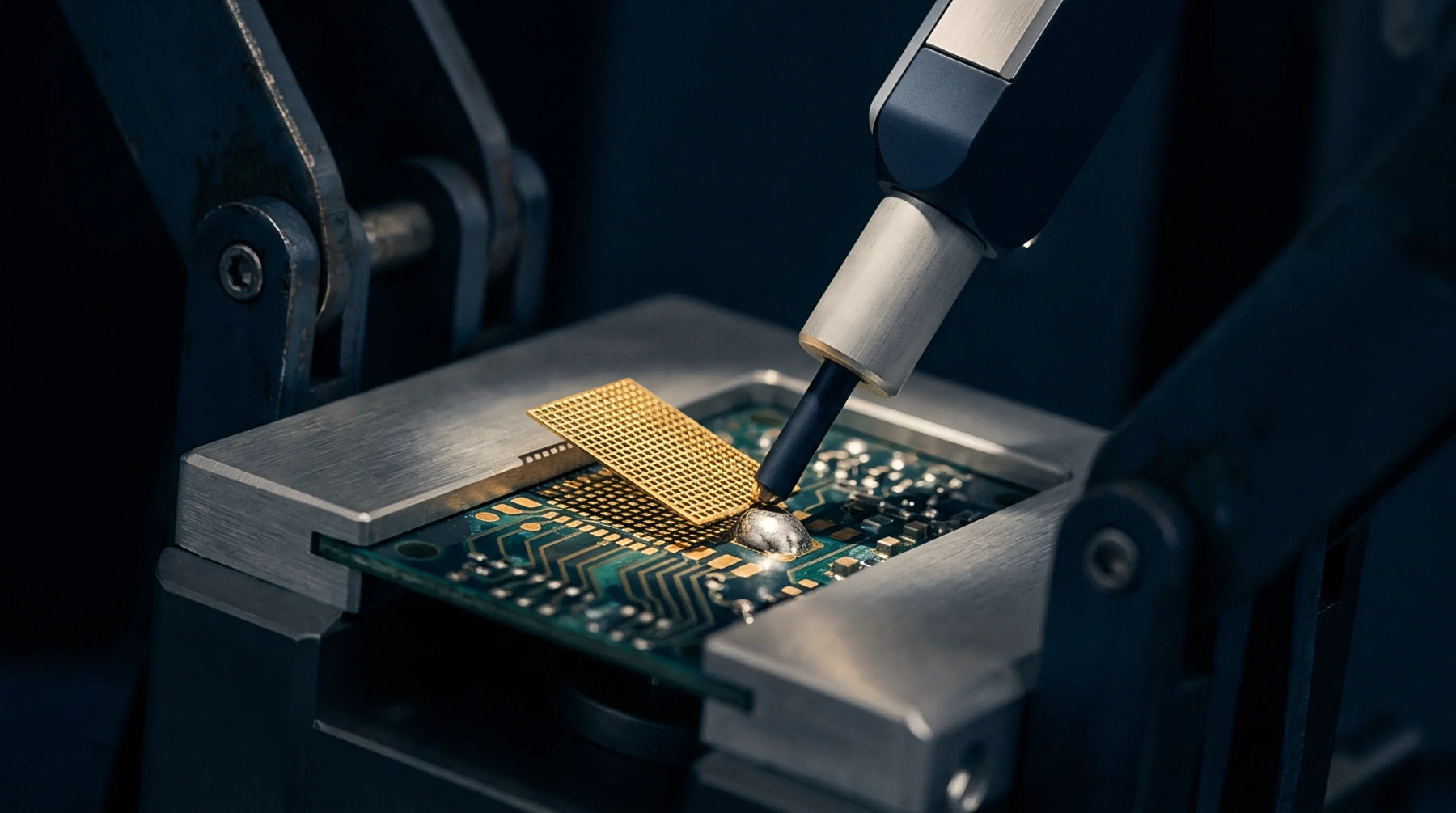
E-glass reinforcement material provides the structural foundation for high frequency printed circuit boards through its specific weave pattern and fiber count. Style 7628 glass fabric possesses a nominal thickness of approximately 0.007 inches when fully impregnated with resin. This density allows for uniform dielectric constants across the laminate surface.
Resin content control during the prepreg manufacturing phase relies on the weight and porosity of this heavy weave to ensure predictable signal propagation speeds. Electrical stability depends on the consistency of the fiber distribution relative to the copper foil layers.
Fabrication Tolerance
Laminate manufacturers utilize this material to achieve thickness targets in multilayer circuit board construction. Style 7628 glass demonstrates high mechanical strength which aids in dimensional stability during high temperature lamination cycles. Boards containing this fabric maintain alignment of internal signal layers when subjected to thermal shock.
Drilling parameters adjust to the increased hardness of the thicker glass bundles compared to lighter cloth styles. Tool wear accelerates when the drill bit impacts the dense glass bundles during the via formation process. Improper feed rates create burrs or glass fiber breakout that compromises the reliability of plated through holes.
Dielectric Uniformity
Consistent resin distribution across the fabric surface prevents local variations in the impedance of high speed signal lines. Style 7628 glass creates a periodic structure that interacts with electromagnetic fields at microwave frequencies. Signal designers account for the weave effect by rotating the board orientation relative to the fiber direction to mitigate skew.
Microscopic voids near the fiber crossovers increase signal attenuation by raising the loss tangent of the substrate material. Proper pressure application during the pressing stage forces resin into the voids to eliminate air gaps. Uniform resin flow determines the long term dielectric performance of the completed assembly.