Fixture Integrity
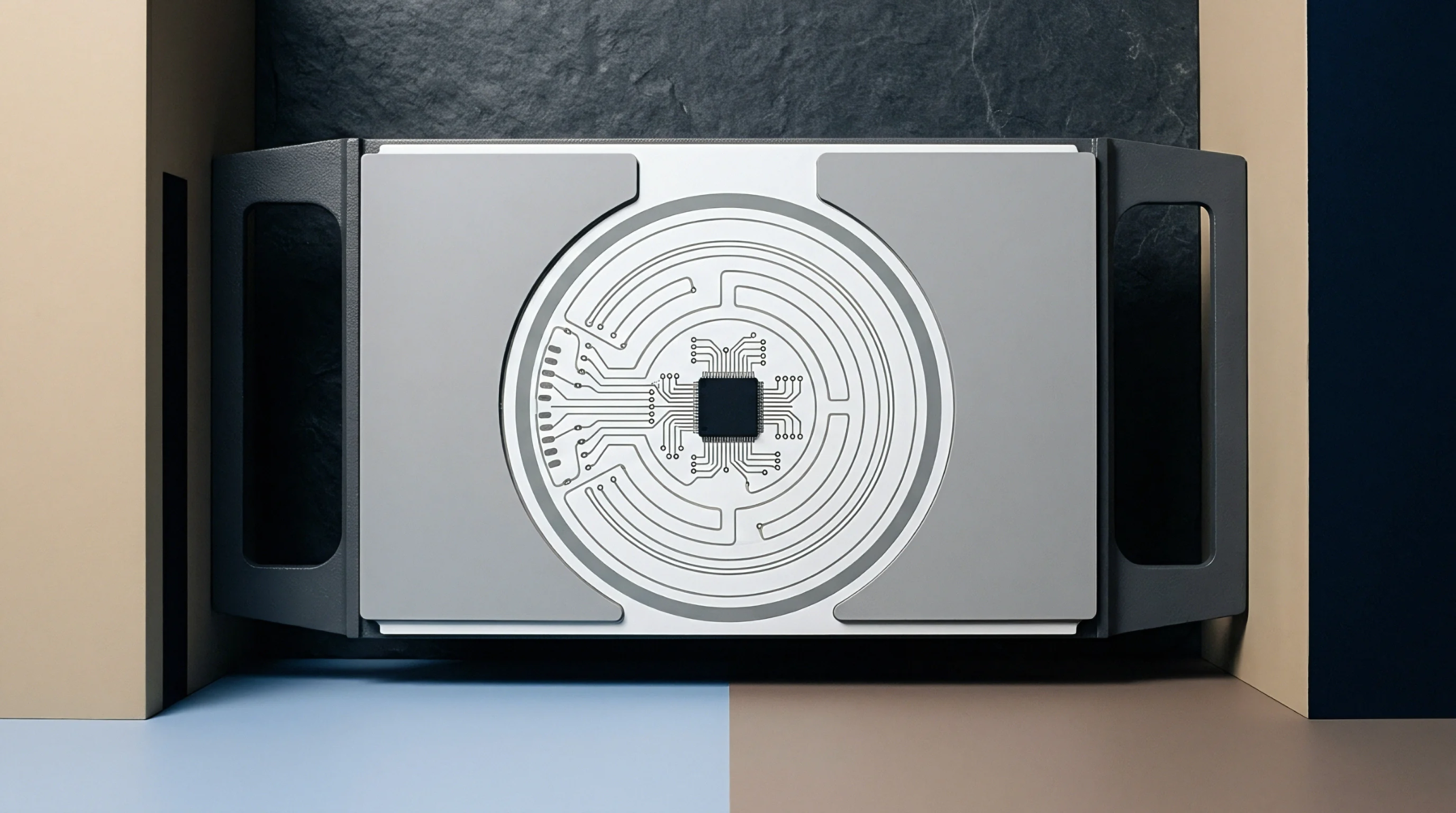
Mechanical stability during automated assembly depends on the rigid support of circuit boards while they undergo force-intensive processes like screen printing or component placement. Support pin placement dictates the physical location of adjustable hard points underneath the board to counteract downward pressure exerted by squeegees or nozzle heads. Proper distribution of these points prevents board bowing, ensures stencil contact consistency, and stops local deformation that leads to solder bridging or misaligned component deposition.
Structural Loading
Engineers establish coordinate arrays based on board geometry and component density maps to distribute mechanical force across the surface. These points must avoid underside components or sensitive trace patterns while remaining under areas where external pressure exceeds the structural limits of the laminate material. Each pin rests in a dedicated hole pattern on the base plate of the printer or pick and place machine to align with cleared zones on the bottom side of the assembly.
Optimization of these positions involves calculating the deflection limits of the board under specified pressure loads to ensure the assembly maintains a flat profile throughout the duration of the cycle.
Deflection Control
High density assemblies with heavy surface mounted components require a denser matrix of pins to support areas prone to sagging or vibration during rapid movement of the machine gantry. Failure to position supports near high force contact zones causes board flexing that breaks solder joints or prevents accurate stencil gasketing during print cycles. Static pins provide a consistent mechanical reference plane that remains fixed despite the cyclical acceleration of the assembly equipment.
Correctly configured support arrays preserve the flatness required for precise fine pitch assembly requirements.