Metal Intermixing
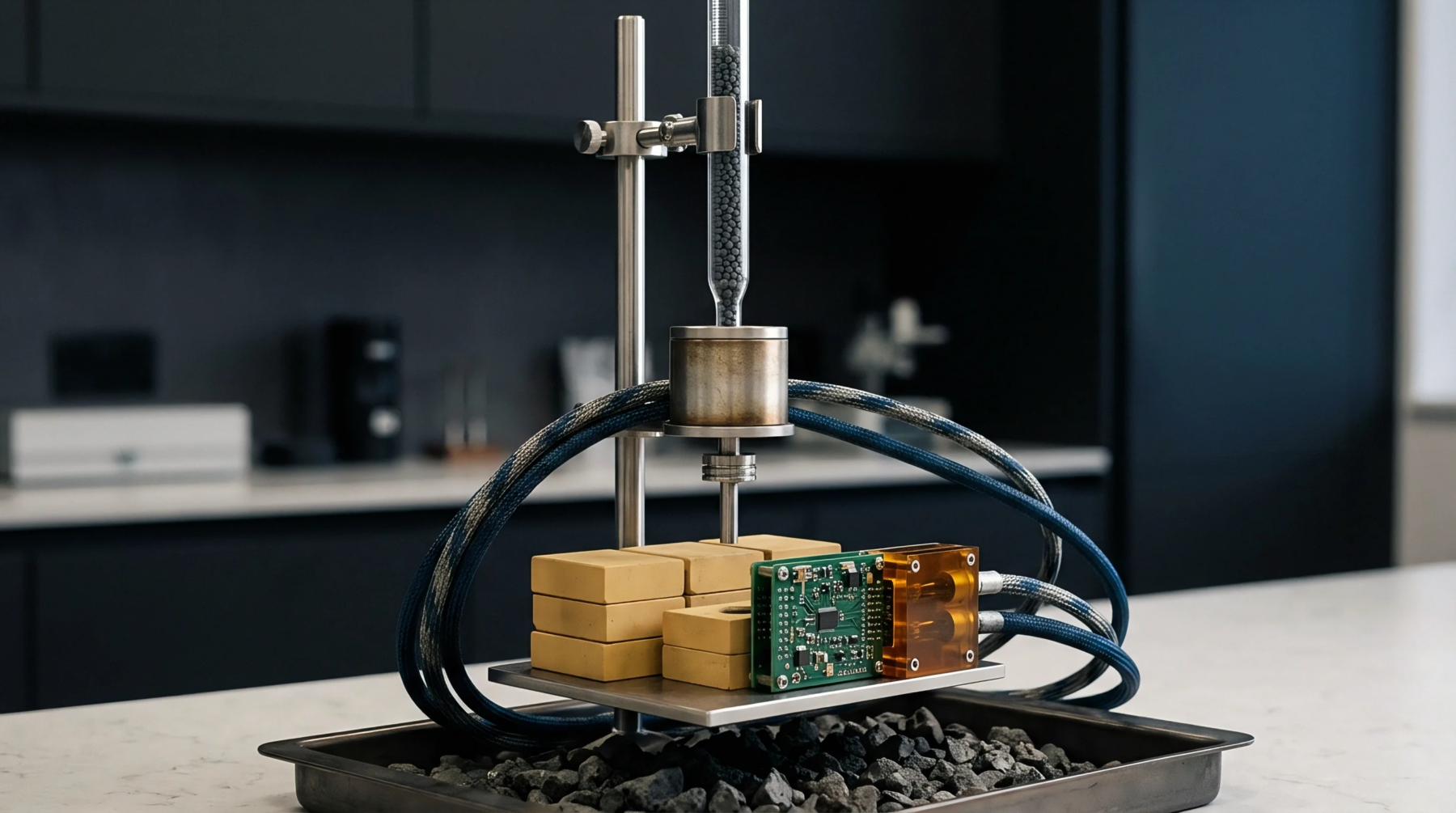
Erosion of the copper laminate pad into the liquid solder bath during the assembly process alters the thickness and mechanical integrity of the solder connection. This surface finish copper dissolution occurs when the protective finish allows the underlying copper to melt and mix with the molten tin-based solder. It governs the thickness of the remaining copper pad and the composition of the resulting solder joint.
Intermetallic Formation
Solder finishes like hot air solder leveling or electroless nickel immersion gold are designed to protect the copper pad from oxidation while controlling this dissolution process. When surface finish copper dissolution is excessive, it can consume the entire copper pad or thin it to the point where the solder joint becomes mechanically weak. This is a common issue during hand soldering or multiple-cycle reflow processes where high temperatures are maintained for extended periods, leading to the formation of brittle intermetallic compounds.
Reliability Consequence
Controlling the dissolution rate requires optimizing the reflow temperature profile and selecting appropriate solder alloys. Using alloys with small amounts of copper already added, such as tin-silver-copper, helps to saturate the molten solder and slow down the rate at which copper is pulled from the board pads.