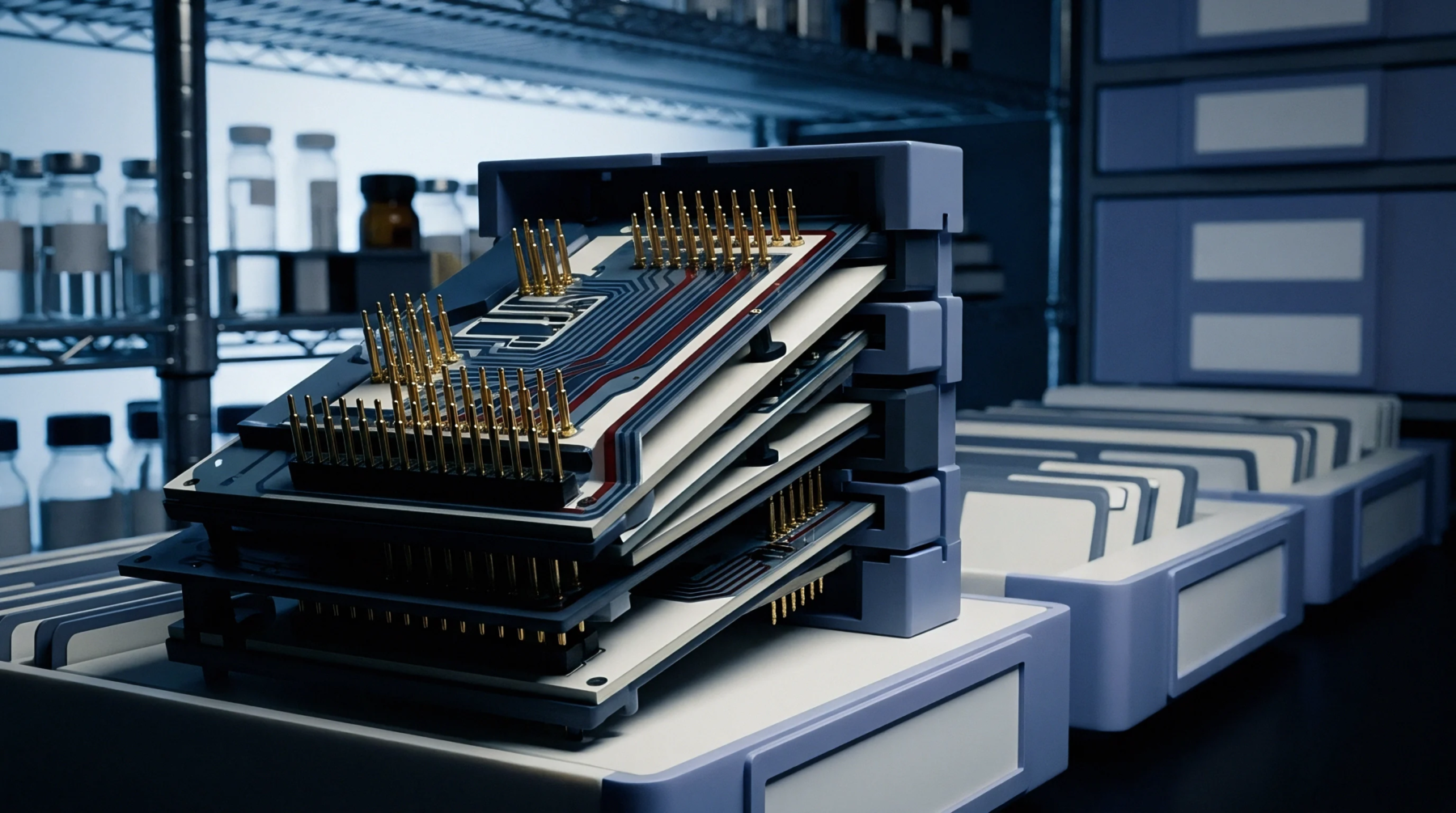
Heat Absorption
Rate of heat transfer within a printed board assembly depends on the physical bulk and material composition of the components and the copper planes. This rate, driven by thermal mass dissipation, determines how quickly an assembly reaches the necessary temperature for soldering. Larger components, such as high-pin-count connectors or thick copper power planes, absorb heat more slowly than small surface-mount resistors.
This difference in heat absorption rate creates a non-uniform temperature distribution across the board surface during reflow.
Thermal Gradient
Balancing the thermal profile in a reflow oven is necessary to prevent cold solder joints on high-mass parts while avoiding overheating of sensitive low-mass components. To counteract uneven thermal mass dissipation, thermal engineers design the oven zones with specific soak times that allow the entire board to reach thermal equilibrium before entering the reflow phase. If this soak time is too short, the high-mass components will fail to reach liquidus temperature, which prevents proper solder alloy flow.
Quality Impact
Post-solder inspection frequently reveals wetting defects such as tombstoning or cold joints when heat distribution is poorly managed. By adjusting the layout of the circuit board, such as utilizing thermal reliefs on heavy copper connections, designers can balance the rate of thermal mass dissipation across the assembly. Fabricators measure these temperatures during prototype runs by attaching thermocouples directly to the most demanding thermal locations on the board.
These empirical measurements ensure that the manufacturing process is robust and repeatable before high-volume production begins. Implementing these design adjustments prevents expensive rework of the assembled boards and helps maintain high yield rates on the production line.