Energy Capacity
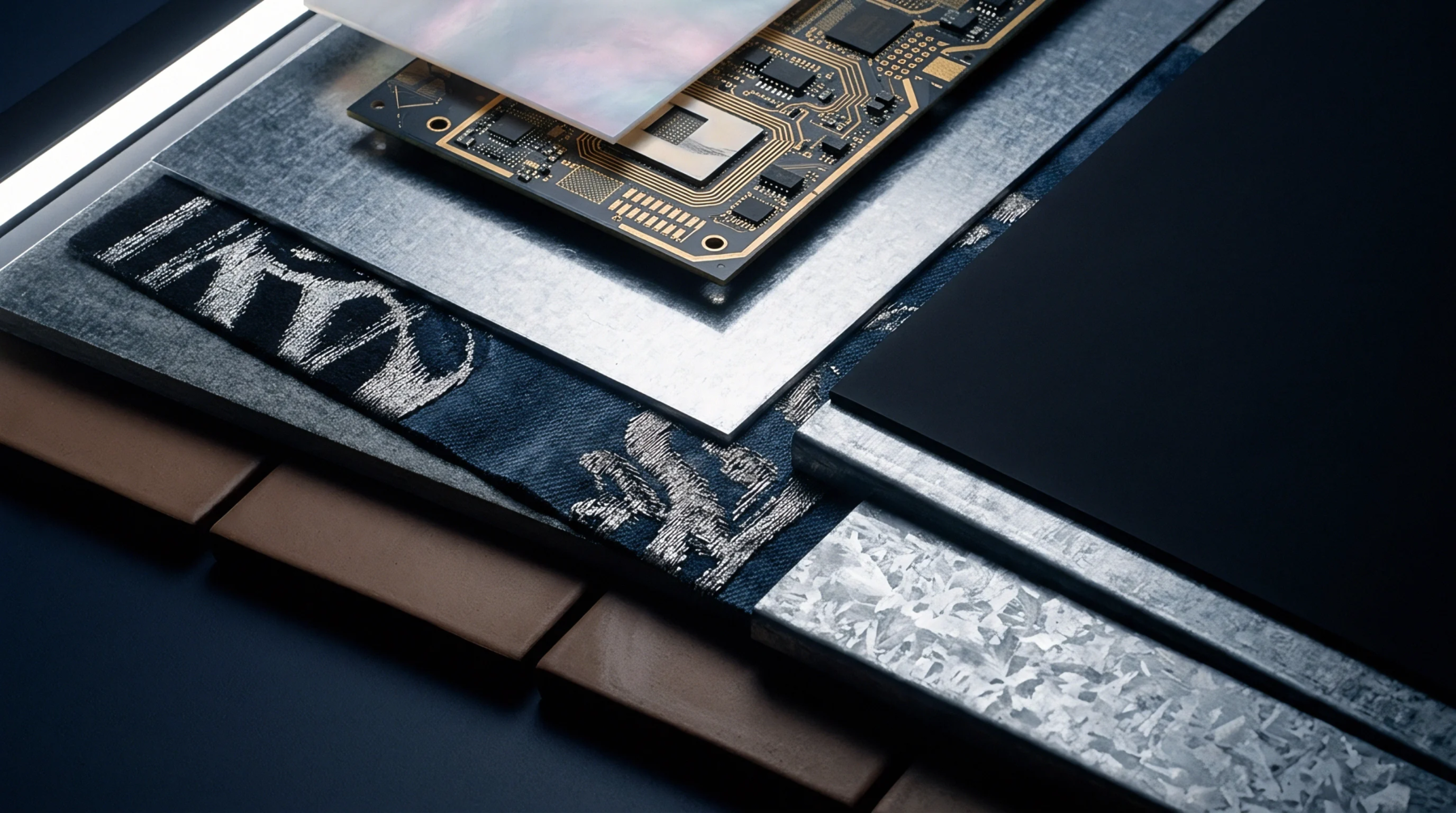
Material properties determine how much heat an object can absorb and how quickly its temperature changes during a thermal process. thermal mass distribution on a printed circuit board is a function of the copper weight, the substrate thickness, and the size of the mounted components. Uneven distribution leads to different parts of the board heating and cooling at different rates.
Heating Uniformity
Large components with metal heat sinks or dense areas with many copper planes act as thermal reservoirs that resist changes in temperature. This thermal mass distribution makes it difficult to achieve a uniform reflow profile across the entire assembly. Areas with low thermal mass will reach the target temperature much faster and may overheat if the oven settings are not carefully balanced.
Profiling Accuracy
Placing thermocouples in locations that represent the extremes of the board is the only way to verify the process. Engineers analyze the thermal mass distribution during the design phase to avoid placing heat-sensitive components near large metal parts. Adding thermal relief patterns around pads connected to large planes helps slow down the heat transfer during soldering.
Understanding these thermal characteristics is necessary for high-yield manufacturing. Effective thermal design reduces the risk of soldering defects.