Thermal Expansion Stress
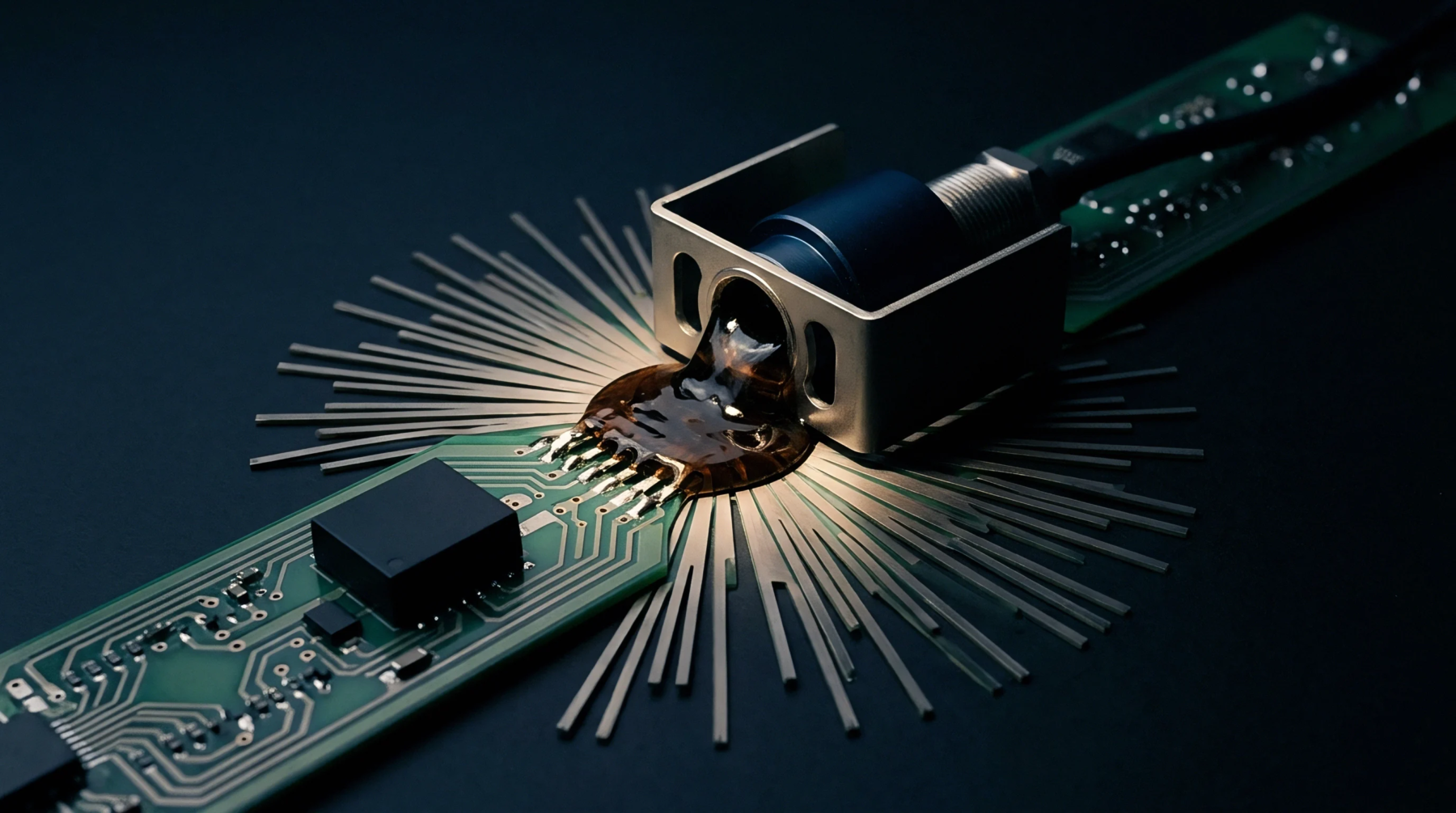
Differential heating profiles during wave soldering or infrared reflow cycles induce mechanical loading across soldered joints and laminate layers because dissimilar materials expand at conflicting rates. Residual forces build within copper traces and surface mount packages whenever localized temperature gradients exceed elastic deformation limits during board fabrication and assembly. Component reliability degrades when thermal strain exceeds the fatigue threshold of intermetallic connection points, precipitating microcracking and eventual electrical open circuits.
Automated optical inspection equipment detects subsequent pad lifting and copper delamination before finished printed circuit board assemblies enter final integration.
Warping Vector
Interlaminar shear forces generated by disparate coefficients of thermal expansion twist circuit boards during high temperature processing steps. Lamination presses must balance resin content and glass weave orientation to counteract out of plane displacement throughout multilayer stackups. Automated handling machinery rejects bowed panels whenever surface coplanarity deviates beyond specified assembly tolerances for automated placement heads.
Fatigue Threshold
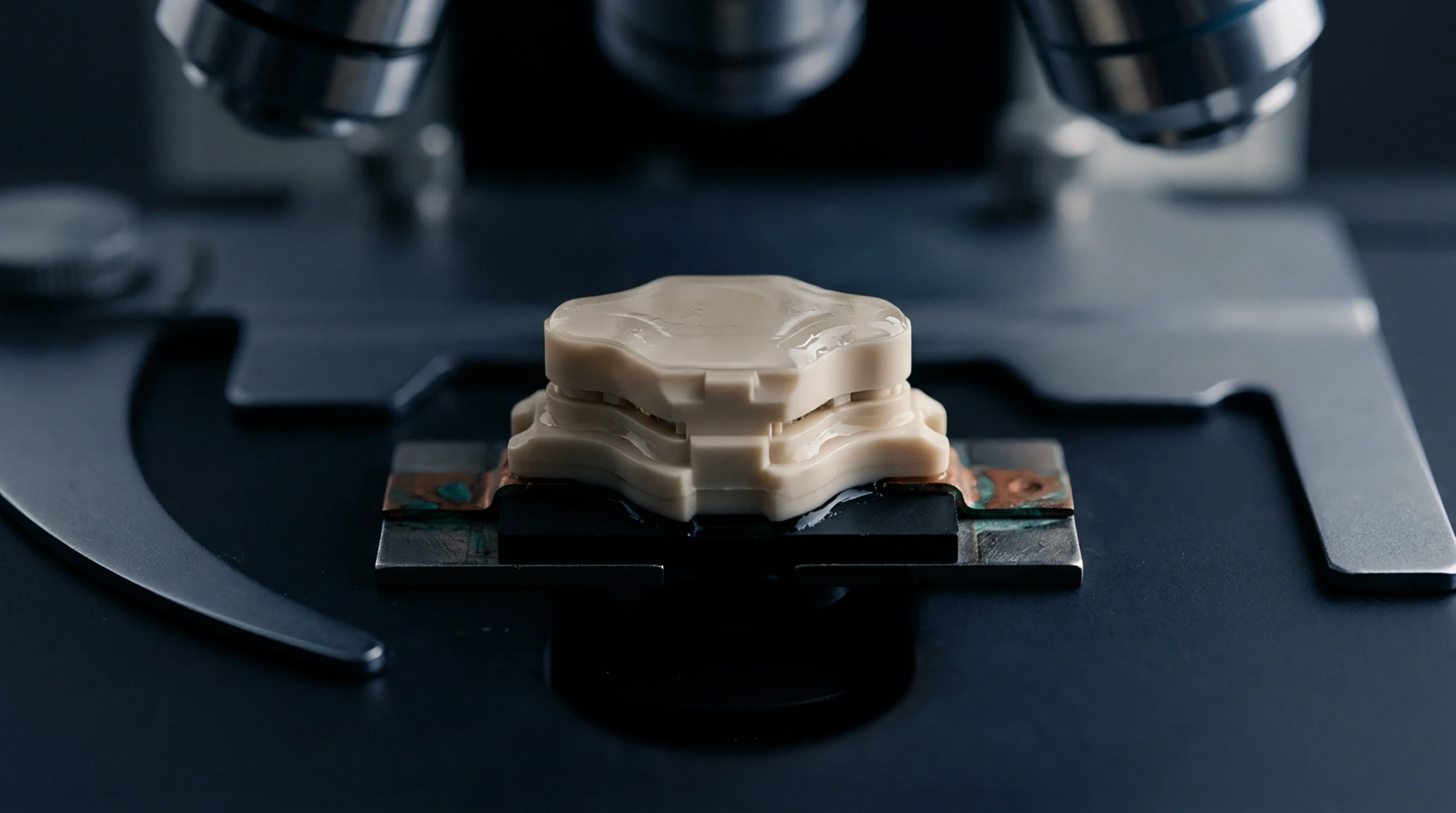
Repeated thermal cycling during accelerated aging tests evaluates joint integrity under cyclic mechanical loading conditions. Microscopic inspection of cross sectioned specimens reveals cumulative damage patterns within solder alloy microstructures following prolonged operational stress exposure. Finished hardware passes verification testing only when intermetallic layers withstand projected environmental extremes without structural failure.