Independent Investigation
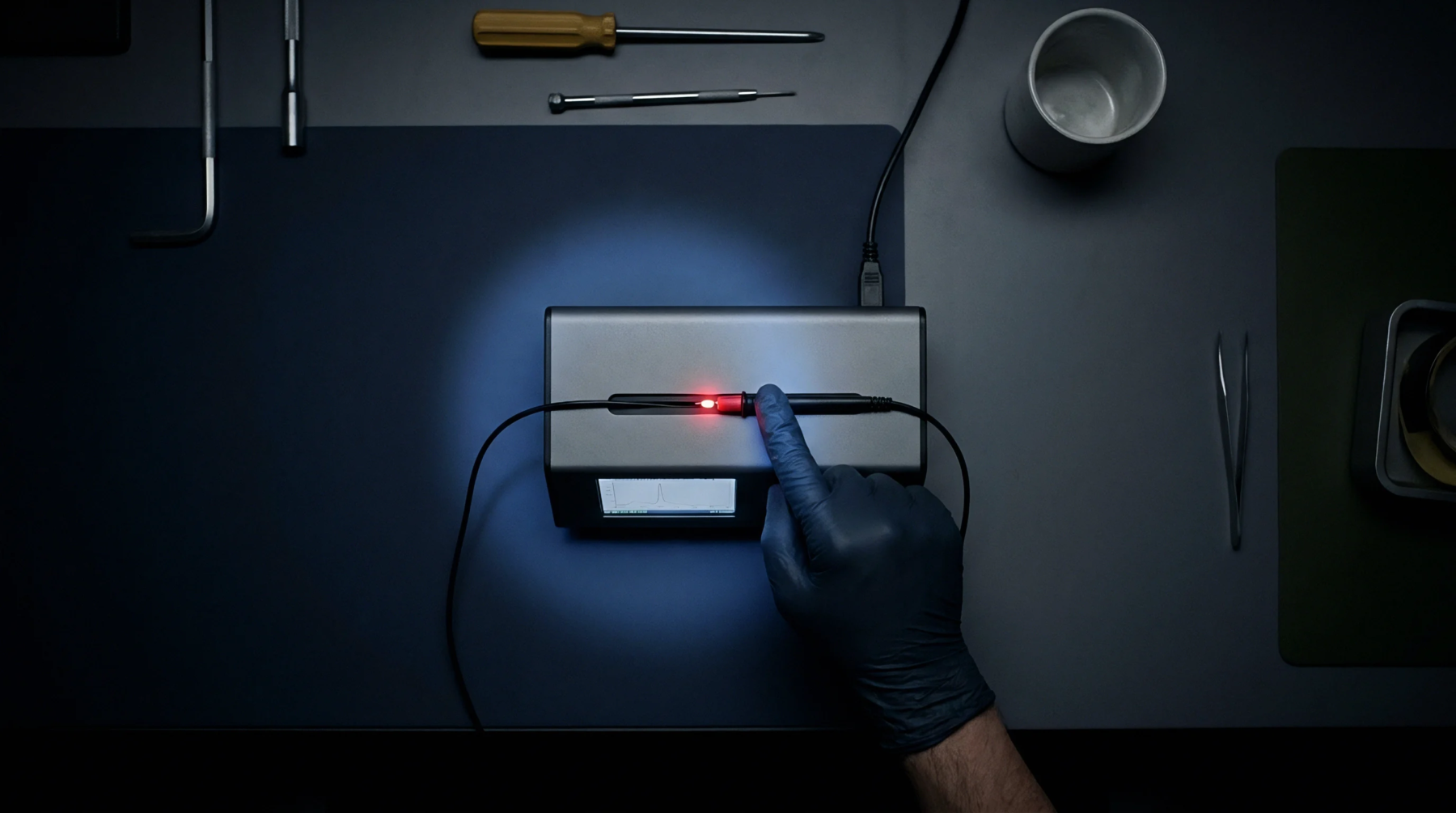
The evaluation of failed printed circuit boards by an external, accredited laboratory provides unbiased technical evidence for resolving quality disputes. Contracting a third-party failure analysis removes bias from the process when a brand owner and an assembly provider disagree on the cause of board failures. The laboratory utilizes specialized equipment like micro-sectioning, scanning electron microscopy, and infrared thermography to identify defect origins.
Root Cause
The diagnostic process involves systematically isolating the failure mechanism, whether it is a micro-void in a solder joint or an internal short circuit in a multi-layer board. This work determines if the fault is a design error, a fabrication defect, or a workmanship error by the assembler. If the analysis reveals flux residues causing electrochemical migration, the fault lies with the assembler’s cleaning process.
Alternatively, if the inner-layer trace cracking points to poor resin curing during lamination, the board fabricator is held responsible.
Liability Assessment
The detailed laboratory report provides the objective evidence needed to determine which party bears the cost of the field failure or scrapped batch. By establishing the precise physical failure mechanism, disputes are settled quickly without resorting to litigation. This objective reporting represents a standard mechanism for resolving supplier-customer conflicts.