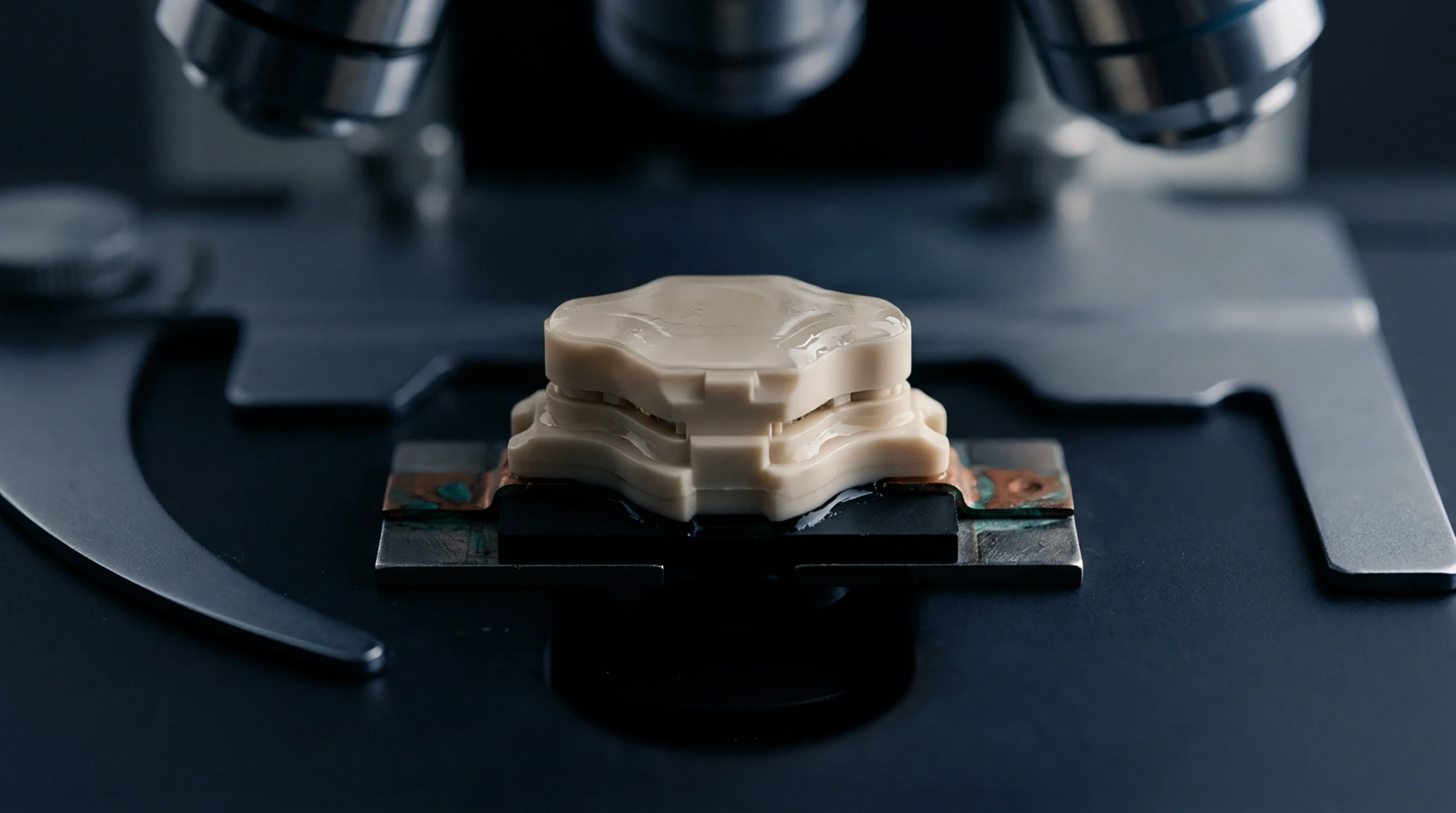
Manual Rework
Human intervention required to correct minor soldering defects or to install components that cannot survive an automated reflow process defines a specific category of manufacturing effort. Technicians performing touch-up labor use hand-held irons and magnifying optics to bridge gaps or remove excess solder. This work usually takes place after an automated optical inspection system flags a potential failure.
Production Expense
Financial models for high volume assembly often treat these hours as a sign of process inefficiency. When the amount of touch-up labor increases, the total cost per unit rises because manual work is much slower than machine placement. Estimators track this time to identify specific components or pad designs that are prone to bridging.
Large through-hole connectors often require this manual step if the board is too thick for wave soldering to be effective.
Quality Constraint
Workmanship standards like IPC-A-610 govern the acceptable methods for performing these repairs. Every instance of touch-up labor introduces the risk of thermal damage to the surrounding pads or nearby sensitive components. Excess heat can cause pad lifting or charring of the epoxy resin.
Reliability data suggests that a joint made by a machine is often more consistent than one made by hand. For this reason, many high reliability contracts limit the number of times a single connection can be reworked.