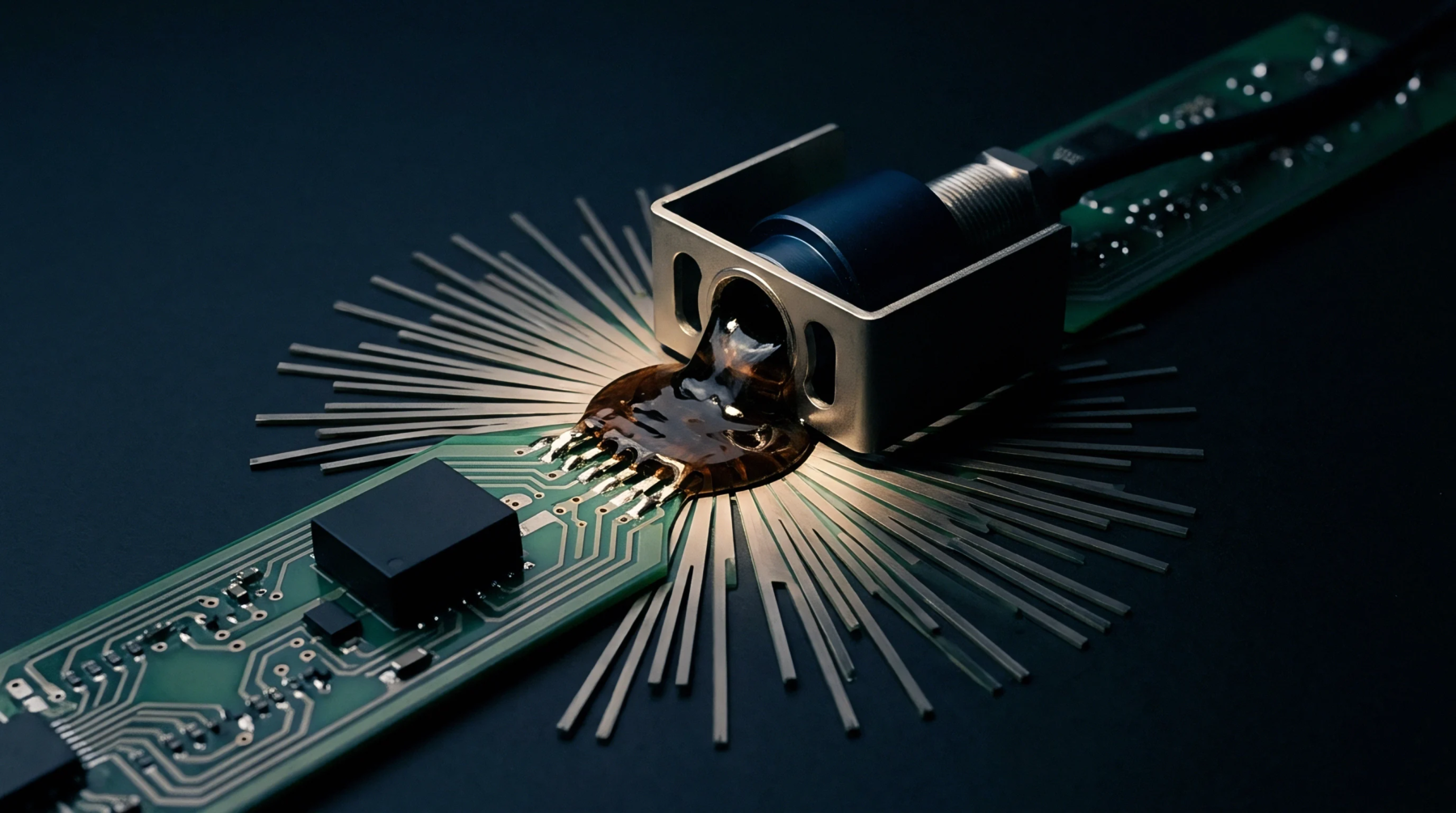
Powder Distribution
Powder-based classification systems for solder paste designate the range of particle diameters permitted in the mixture to ensure appropriate printing resolution. Type five solder paste is a high-resolution material where the majority of the metal particles fall between fifteen and twenty-five micrometers in diameter. This fine distribution allows the paste to be printed through very small stencil apertures for fine-pitch components.
It represents the standard choice when assembling components with pitches below point four millimeters.
Print Application
Printing fine-pitch boards requires a paste that can flow easily through micro-apertures. Using type five solder paste increases transfer efficiency for assemblies with small passive components or high-density area arrays. The paste release is smoother because more particles can fit across the width of each aperture.
Oxidation Behavior
Solder particles with smaller diameters present a much larger total surface area for a given volume of paste. This increased surface area makes type five solder paste more susceptible to oxidation during the reflow process, which can lead to solder balling or incomplete wetting. Formulators use stronger flux chemistries to counteract this oxidation risk, though these residues can be harder to clean.
Reflow profiles must be tightly monitored to minimize the time the paste is exposed to elevated temperatures before melting.