Pressure Profile
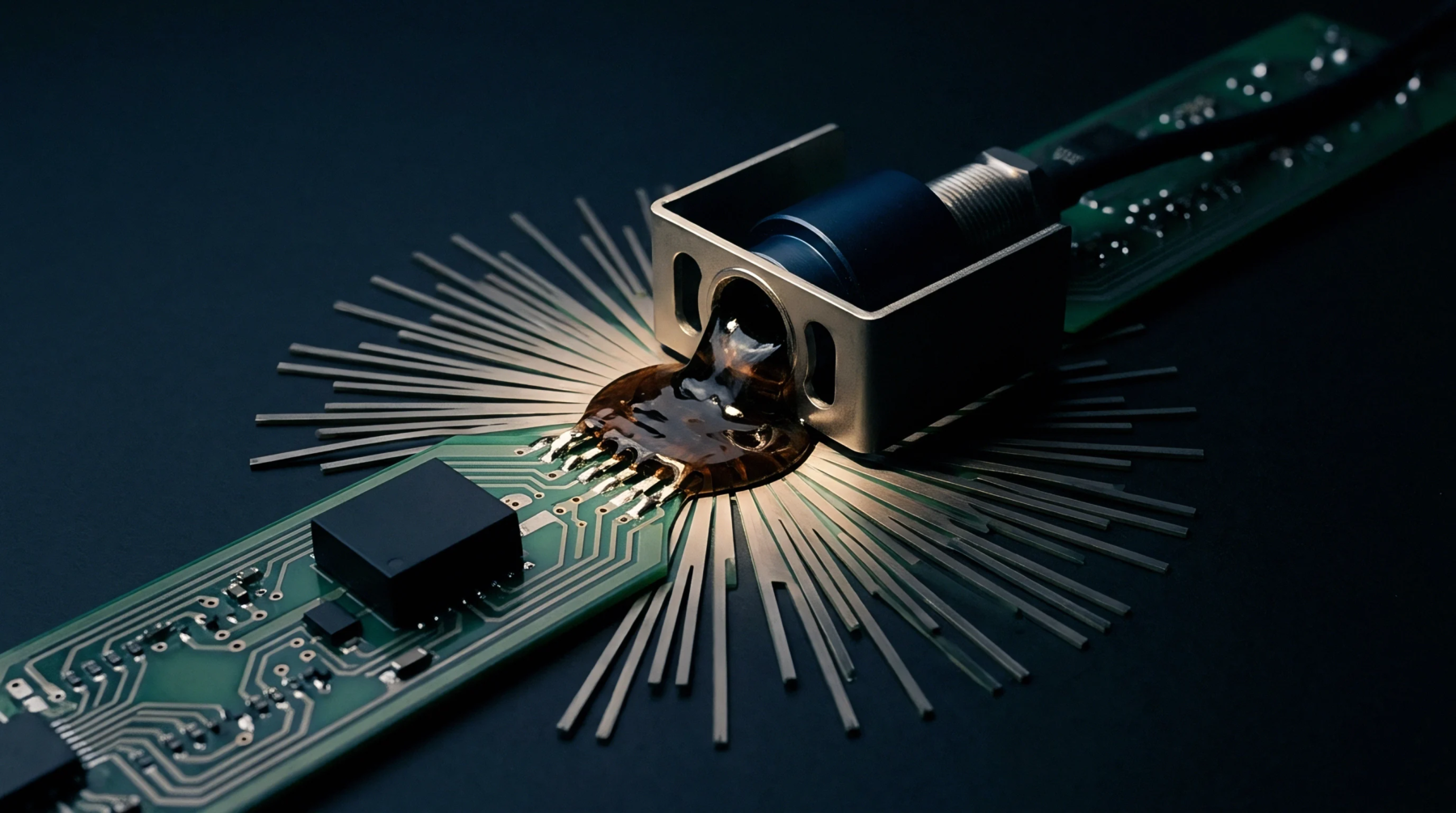
Multilayer printed circuit board production relies on a vacuum lamination cycle to remove entrapped volatile gases and consolidate prepreg layers into a solid dielectric block without void formation. Hydraulic presses execute this thermal schedule inside sealed chambers where absolute pressure drops below ten kilopascals before platen temperature rises. Clamping tonnage increases in deliberate stages to force softened epoxy resin through woven glass fiber bundles while air evacuation prevents internal oxidation of copper foil circuits.
Thermal Ramp
Heat transfer occurs through heated steel platens that conduct energy into the stacked laminate assembly at controlled rates measured in degrees Celsius per minute. Polymer cross-linking reactions demand precise temperature plateaus to achieve complete resin cure without thermal degradation of the base reinforcement materials. Thermocouples embedded directly within reference panels monitor actual core temperatures to prevent exothermic runaways that warp rigid substrates during high temperature dwell periods.
Void Rejection
Ultrasonic acoustic microscopy inspects finished panels after the vacuum lamination cycle finishes to detect internal delamination and microvoids trapped between adjacent copper planes. Ultrasonic transducers sweep across the board surface and reflect high frequency sound waves off embedded interfaces to map density anomalies caused by insufficient clamping pressure or premature resin gelation. Defective panels fail electrical dielectric breakdown testing when trapped gas pockets allow high voltage arcing between internal power and ground distribution layers.