Material Rheology
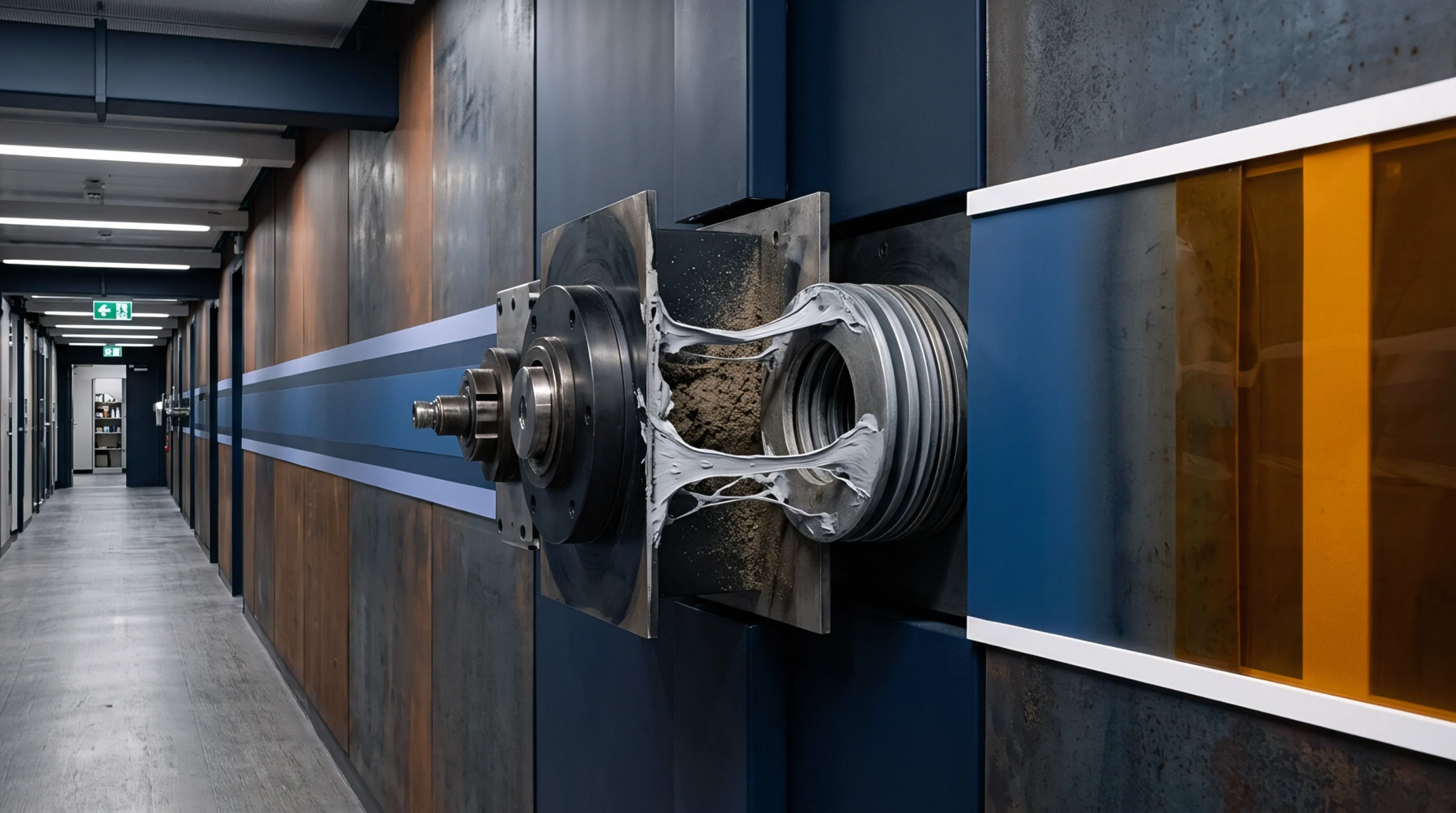
Time dependent strain behavior characterizes the deformation of solids under sustained stress loads. Viscoplasticity describes the mechanism where a material exhibits both liquid flow and solid elastic recovery when subjected to force. It dictates how solder joints and structural adhesives respond to elevated temperatures or mechanical loads over extended periods of time.
The model accounts for the nonrecoverable flow that occurs as a function of duration rather than just the intensity of the applied pressure.
Failure Mechanics
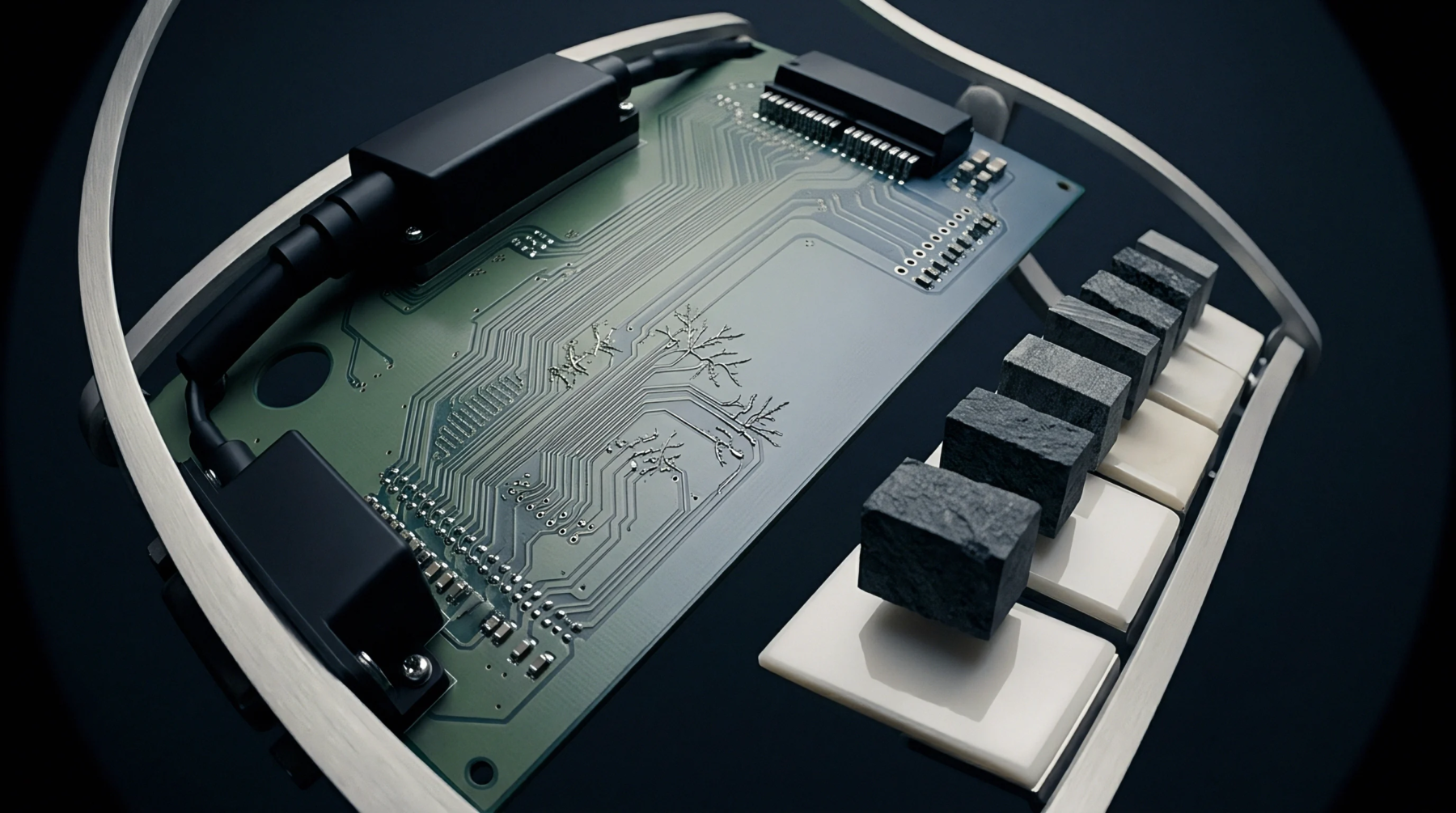
Solder joints in high density circuit assemblies undergo constant thermal stress during power cycles. Viscoplasticity governs the creep and stress relaxation occurring at the interface of a component lead and the printed circuit board pad. Engineers analyze this property to predict solder fatigue and the eventual development of cracks in harsh operating environments.
Models integrate these flow characteristics to calculate the lifetime of an assembly under predictable thermal expansion. The calculations prevent brittle fractures by ensuring the material retains enough ductility to accommodate expansion without losing structural integrity.
Process Verification
Acceptance testing for electronic materials relies on dynamic mechanical analysis to measure the phase lag between stress and strain. Viscoplasticity provides the quantitative basis for setting limits on reflow cooling rates and board storage temperatures. Technicians use these measurements to ensure that the metallic crystalline structure remains stable throughout the life of the product.
The data derived from these tests confirms that a specific alloy maintains predictable deformation limits under the intended operating conditions. Correct characterization of these parameters reduces the risk of intermittent connection failure in miniaturized packages. Proper control of the cooling cycle minimizes residual stress concentrations that would otherwise trigger long term material degradation.