Thermal Deformation
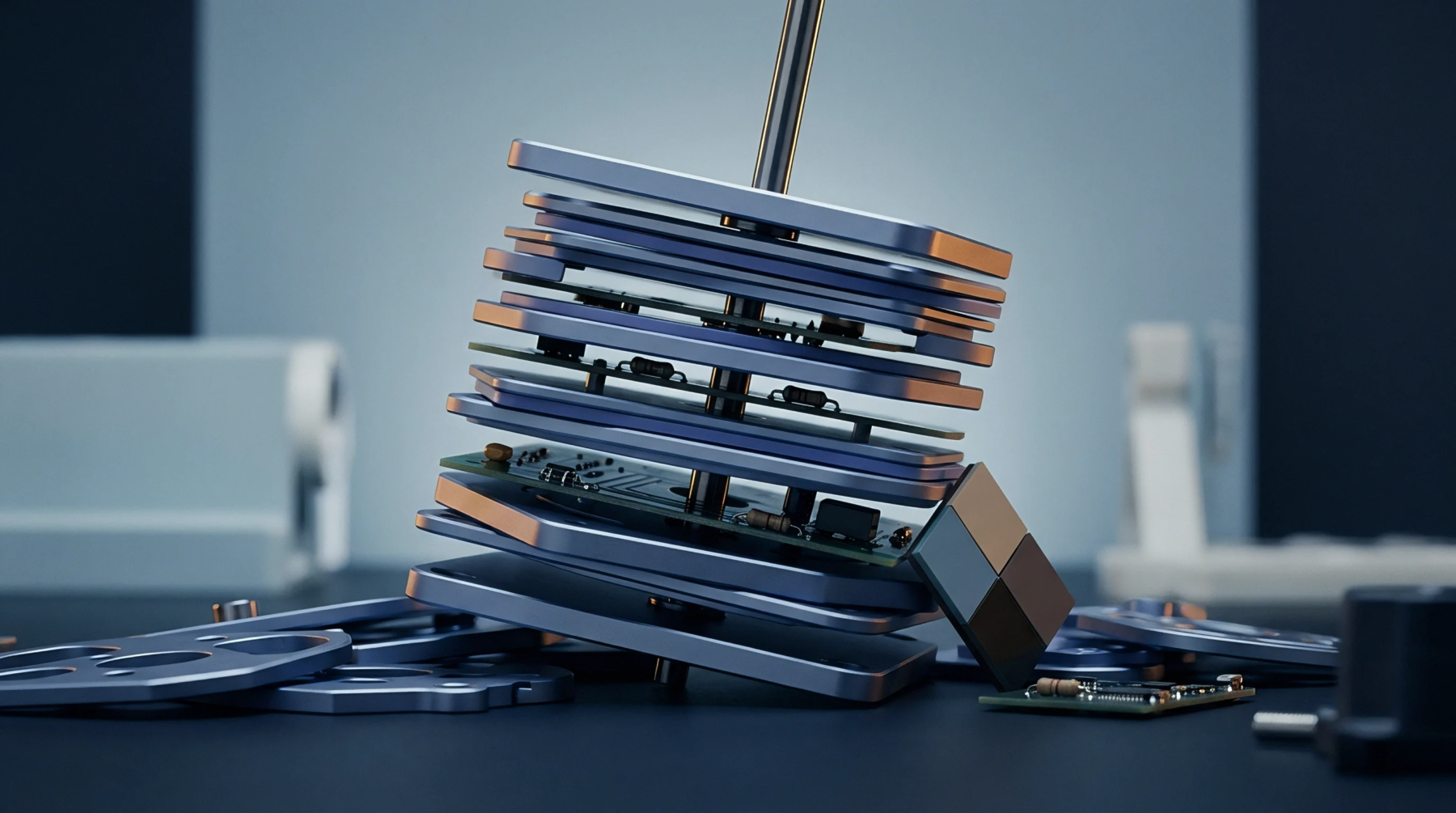
Surface curvature during the reflow cycle describes the temporary physical displacement of a ball grid array package caused by the mismatch of coefficients of thermal expansion between constituent materials. This bga dynamic warpage alters the vertical position of solder balls relative to the mounting substrate while the assembly experiences elevated furnace temperatures. Engineers monitor this behavior to predict whether spherical contacts will maintain physical contact with board pads throughout the solder wetting phase.
High levels of movement introduce risk for head in pillow defects or open circuits because the interconnect fails to reach the molten solder paste during the critical transition period. Manufacturers track this shifting topography using shadow moiré interferometry at heating rates matching the actual production profile.
Assembly Sensitivity
Components experience the most extreme physical distortion during the peak temperature interval within a convection oven. Bga dynamic warpage fluctuates based on the internal structure of the package where silicon dies, lead frames and mold compounds interact under intense heat. A package with an asymmetrical design exhibits a pronounced tilt as the temperature climbs toward the liquidus point of the alloy.
Thin chip scale packages demonstrate a higher susceptibility to these gradients because internal mass lacks the stiffness to resist the combined forces of thermal expansion. Automated optical inspection systems cannot detect this transient state during the heating process so simulation tools determine the risk based on geometry data. Corrective actions include adjusting the ramp rate of the heating zones to reduce the sudden thermal load on the package body.
Lowering the temperature gradient across the length of the assembly allows the package and the printed circuit board to expand in relative synchronization.
Process Impact
Solder joint reliability depends on the preservation of a stable connection between the pad and the sphere during the formation of the intermetallic layer. Excessive bga dynamic warpage forces the solder ball to lose contact with the pad before the alloy flows. The component cools into a permanent gap that remains hidden beneath the body until functional testing reveals the failure.
Proper thermal management of the oven profile governs the success of the attachment.