Structural Failure
Mechanical separation of a solder joint occurs at the boundary between the bulk solder and the underlying substrate metallization. A brittle interfacial fracture typically reveals a flat, smooth separation surface distinct from the plastic deformation seen in ductile tears. This defect originates when the intermetallic compound layer becomes excessively thick or contains voids.
Separation happens suddenly under mechanical shock or bending stress. High phosphorus content in electroless nickel immersion gold finishes can also trigger this specific separation. Brittle behavior in these joints precludes the absorption of energy during a drop event, leading to immediate electrical discontinuity.
Metallurgical Growth
Formation of intermetallic layers provides the chemical bond necessary for a stable connection. Thickening of these layers through successive heat cycles or long-term storage reduces the toughness of the interface. When a brittle interfacial fracture appears in lead-free assemblies, it often follows the nickel-tin or copper-tin boundary.
Excess heat during assembly accelerates the development of these fragile layers. Monitoring the peak temperature and time above liquidus helps limit the depth of this transition zone.
Joint Integrity
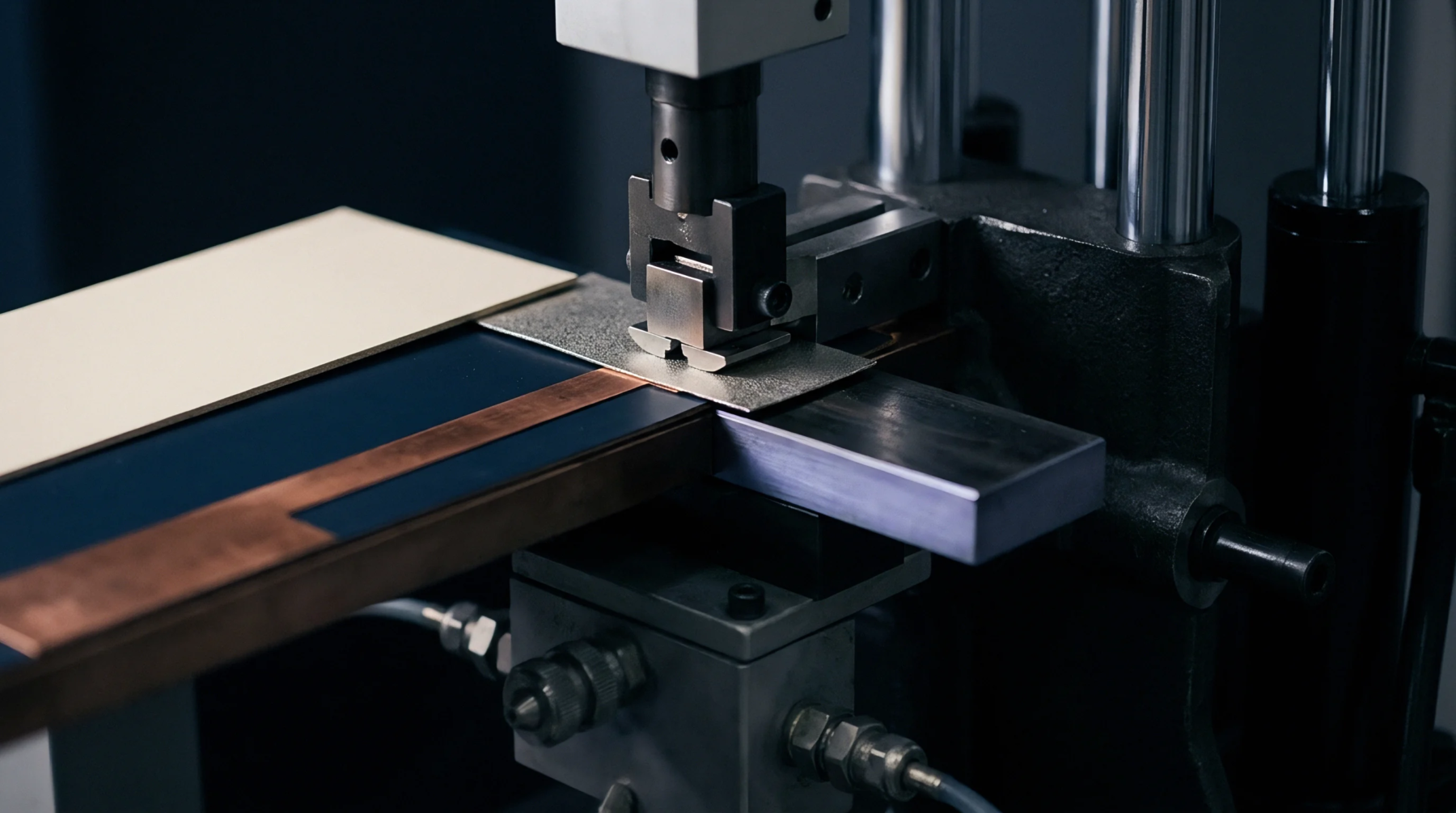
Shear testing provides the primary data for identifying this condition during production quality audits. Low force readings accompanied by a clean separation from the pad indicate a failure in the bonding process. Dye and pry testing allows for a visual assessment of the fracture surface across an entire ball grid array.
Boards showing such characteristics usually require immediate isolation to prevent field failures. Data confirms failure.