Polymerization Kinetics
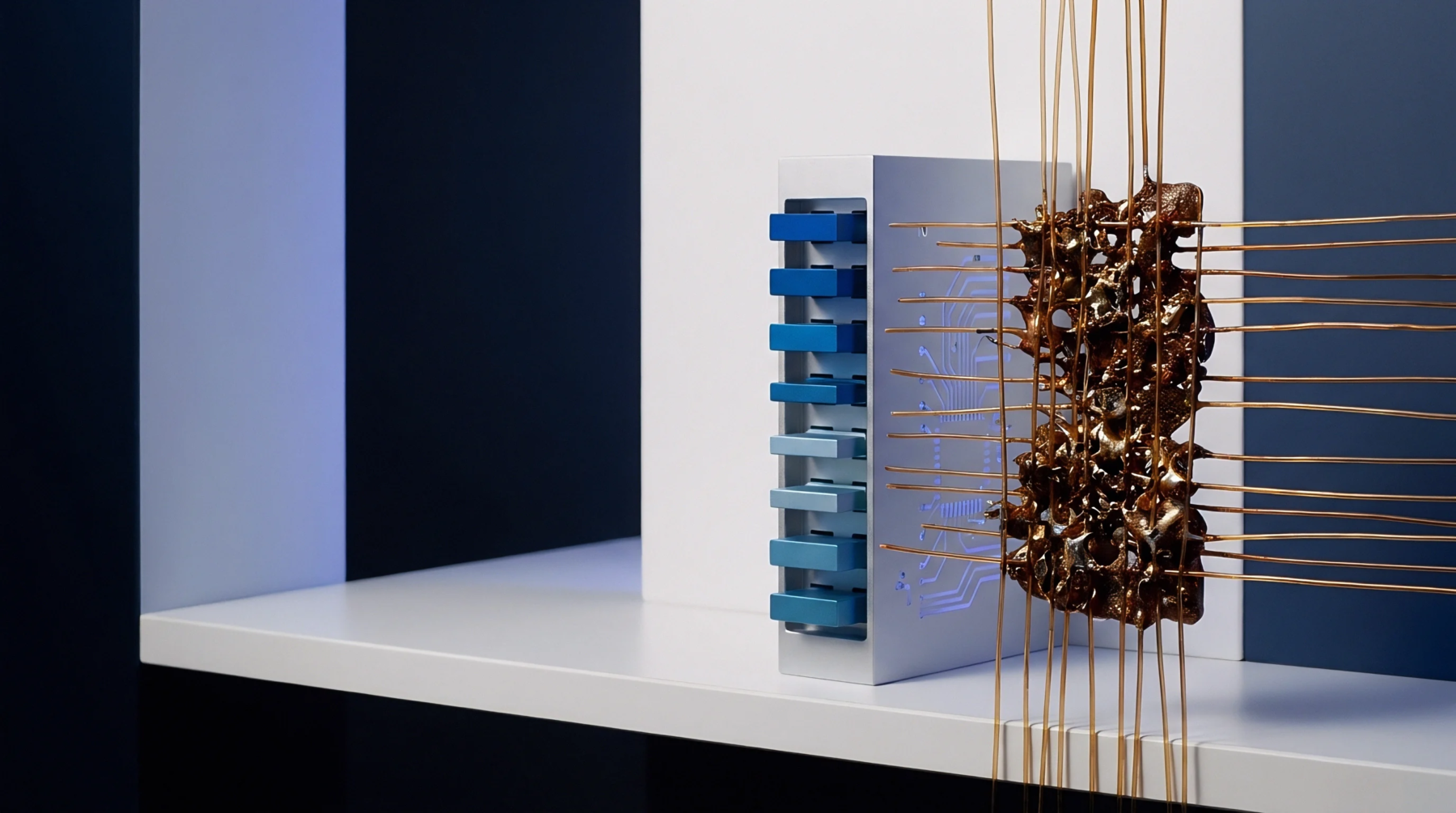
Polymeric encapsulants and structural underfill formulations rely on stoichiometric reaction rates during thermoset curing cycles. The castro-macosko model predicts molecular weight growth and gelation thresholds in step-growth polymerization systems by tracking functional group conversions. Calculating the probability of branching relies on initial molar ratios of monomers and reaction extents.
Crosslinking density increases rapidly near the gel point, shifting the material from a liquid dispense state to a solid network. Boundary conditions assume equal reactivity of identical functional groups and neglect intramolecular cyclization within small rings.
Rheological Transition
Viscosity rises abruptly as polymer chains approach the gel point during thermal processing. The castro-macosko model determines the critical conversion fraction where weight average molecular weight approaches infinity. Rheometers measure storage modulus changes during this liquid-to-solid transformation under isothermal oven profiles.
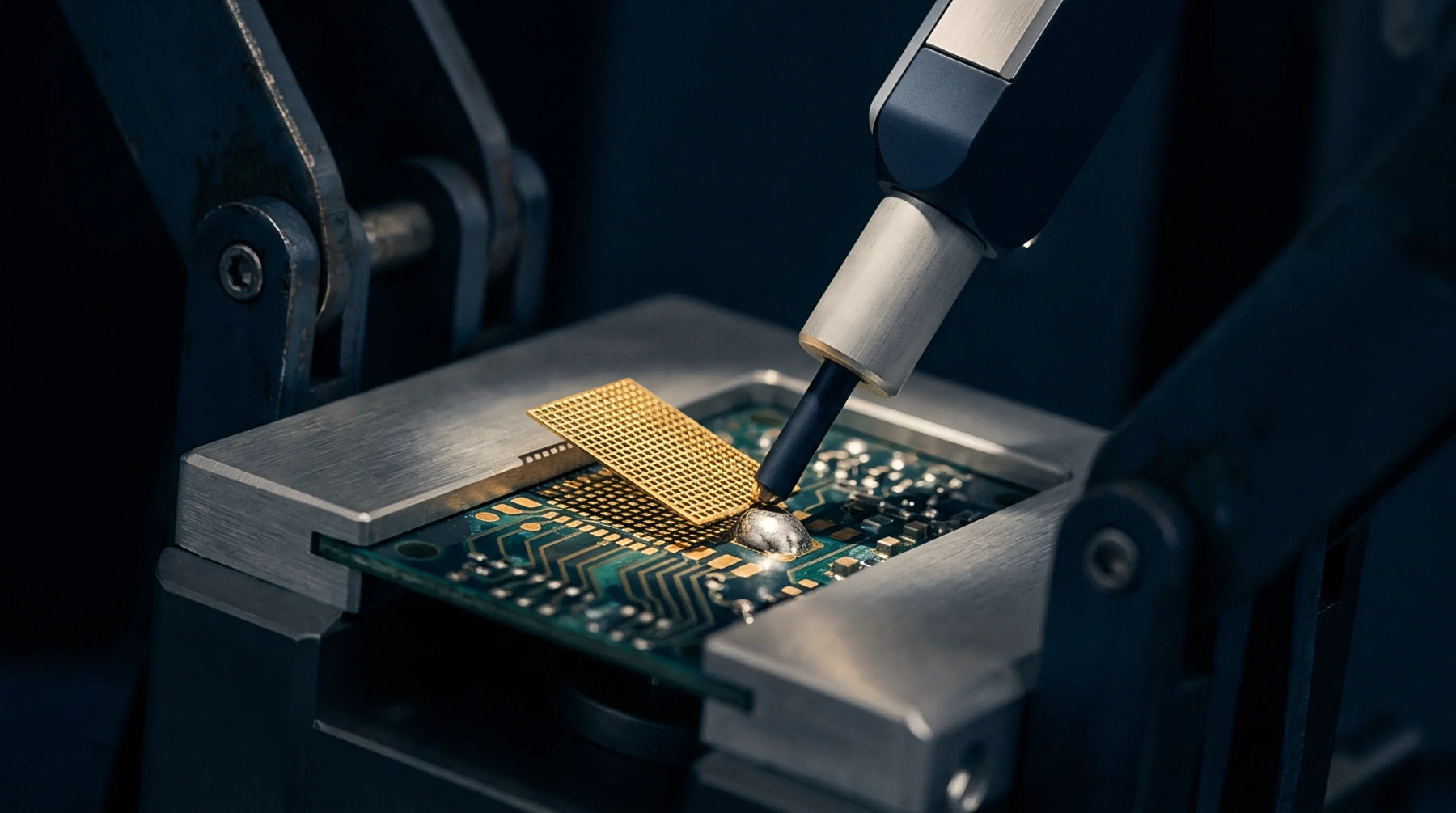
Void formation decreases when dispense parameters match the reaction kinetics predicted by functional group stoichiometry.
Network Integrity
Mechanical reliability of completed assemblies depends on crosslink density distribution throughout the cured matrix. The castro-macosko model establishes theoretical limits for conversion efficiency in epoxy and polyurethane encapsulants. Differential scanning calorimetry verifies the extent of reaction by comparing residual heat release against unreacted resin baselines.
Incomplete crosslinking degrades glass transition temperatures, leaving solder joints vulnerable to thermomechanical fatigue during accelerated thermal cycling tests.