Press Distribution
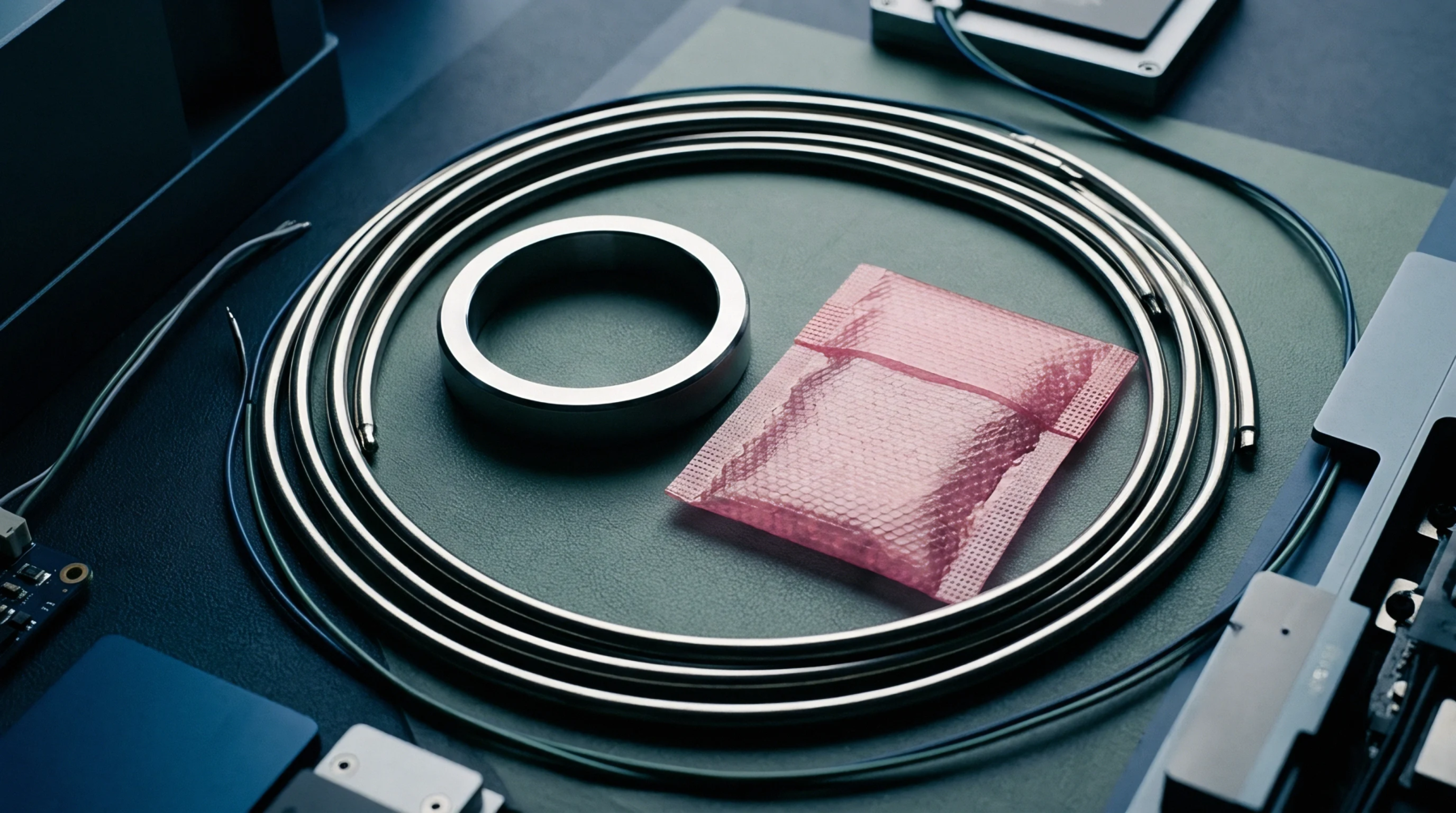
Flat sheets of rigid steel or aluminum apply uniform heat and pressure during the lamination process. Caul plates ensure the stack of prepreg and copper foil remains compressed and planar throughout the cure cycle. These metal sheets act as the primary interface between the heated press platens and the panel structure to prevent surface deformation.
Surface Uniformity
Parallel contact surfaces preserve the dimensional stability of the board during the bonding phase. Deviations in plate flatness transfer directly to the finished laminate and result in thickness variations across the panel area. Engineers select high grade stainless steel for these plates because the material maintains structural integrity under extreme temperature gradients.
Smooth surface finishes on the metal reduce the risk of resin imprint or mechanical damage to the thin outer foil layers of the circuit board.
Thermal Regulation
Heat transfer rates depend on the mass and conductivity of the metal alloy chosen for the assembly. Dense materials distribute thermal energy across the surface to stop hot spots from curing the adhesive unevenly. Thick plates provide a massive buffer that absorbs variations in the press control logic to hold the layup at the target temperature.
Rapid cycling requires plates with low thermal expansion coefficients to avoid warping when the temperature drops at the end of the process.