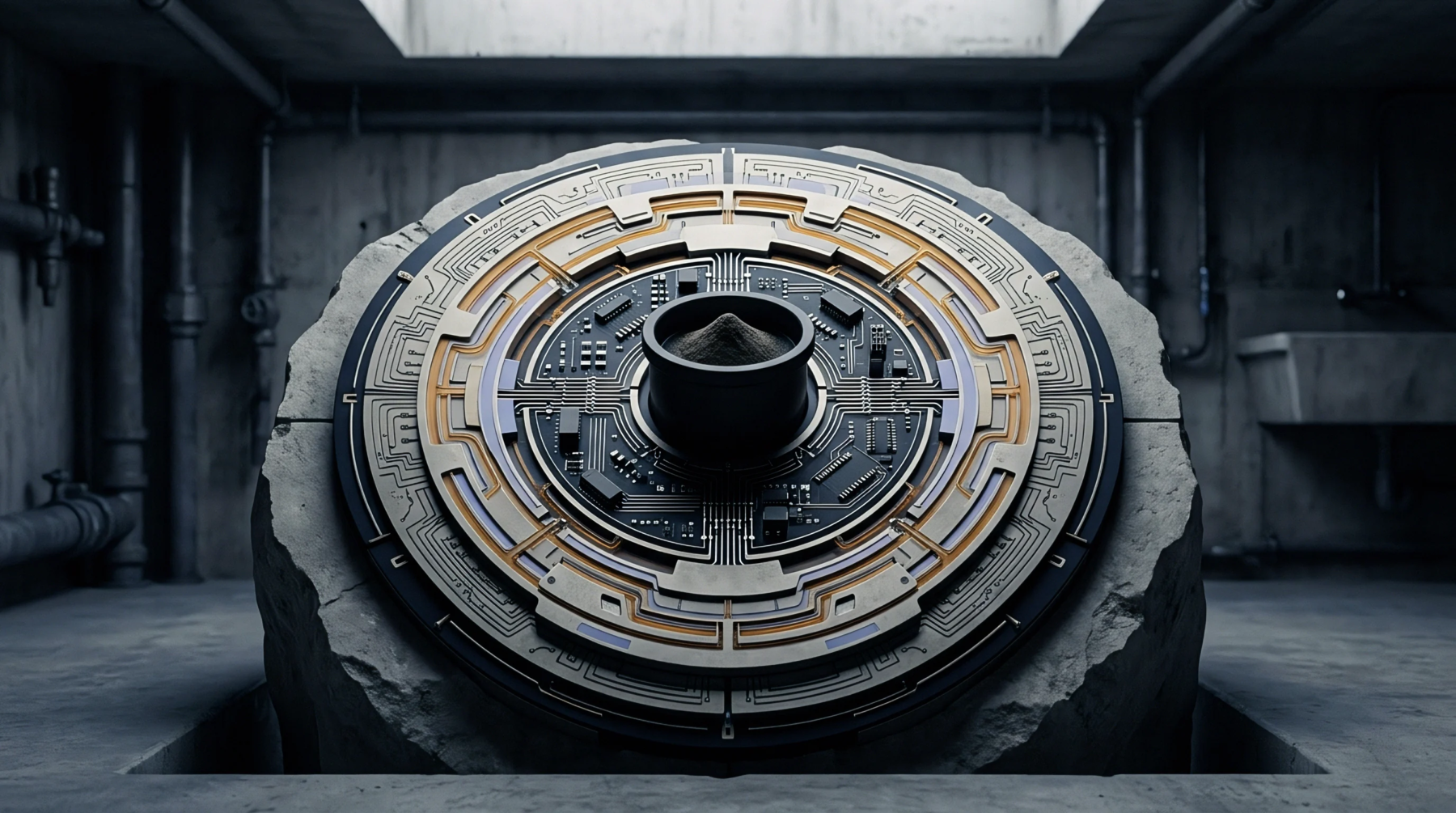
Extraction Protocol
Chemical and electrical evaluation of extracted surface contaminants identifies residual manufacturing debris on printed circuit assemblies. Automated cleanliness testing procedures typically wash the assembly in a solvent mixture of isopropyl alcohol and deionized water. This procedure dissolves ionizable residues left behind by fluxes and fabrication steps.
The solvent is then evaluated for changes in resistivity.
Ionic Quantitation
Liquid conductivity measurements convert the electrical resistance of the extraction fluid into an equivalent concentration of sodium chloride per unit area. Standard industrial instruments use dynamic extraction methods where the solvent continuously flows through a measuring cell. Higher ion concentration increases the conductivity of the fluid.
This signal rises rapidly during the initial wash cycle. It then stabilizes as the majority of surface ionic species dissolve.
Acceptance Standard
Process parameters for acceptable ionic levels have historically used the threshold of one point fifty-six micrograms of sodium chloride equivalent per square centimeter. Modern circuitry with fine pitch components requires much tighter limits to prevent electrochemical migration under humid operating conditions. Dendritic growth can occur when bias voltage is applied across contaminated spaces, leading to intermittent short circuits.
Quantitative residue limits must therefore be established through localized extraction methods that focus on high risk component areas. Regular calibration of the monitoring system ensures the validity of these compliance checks.