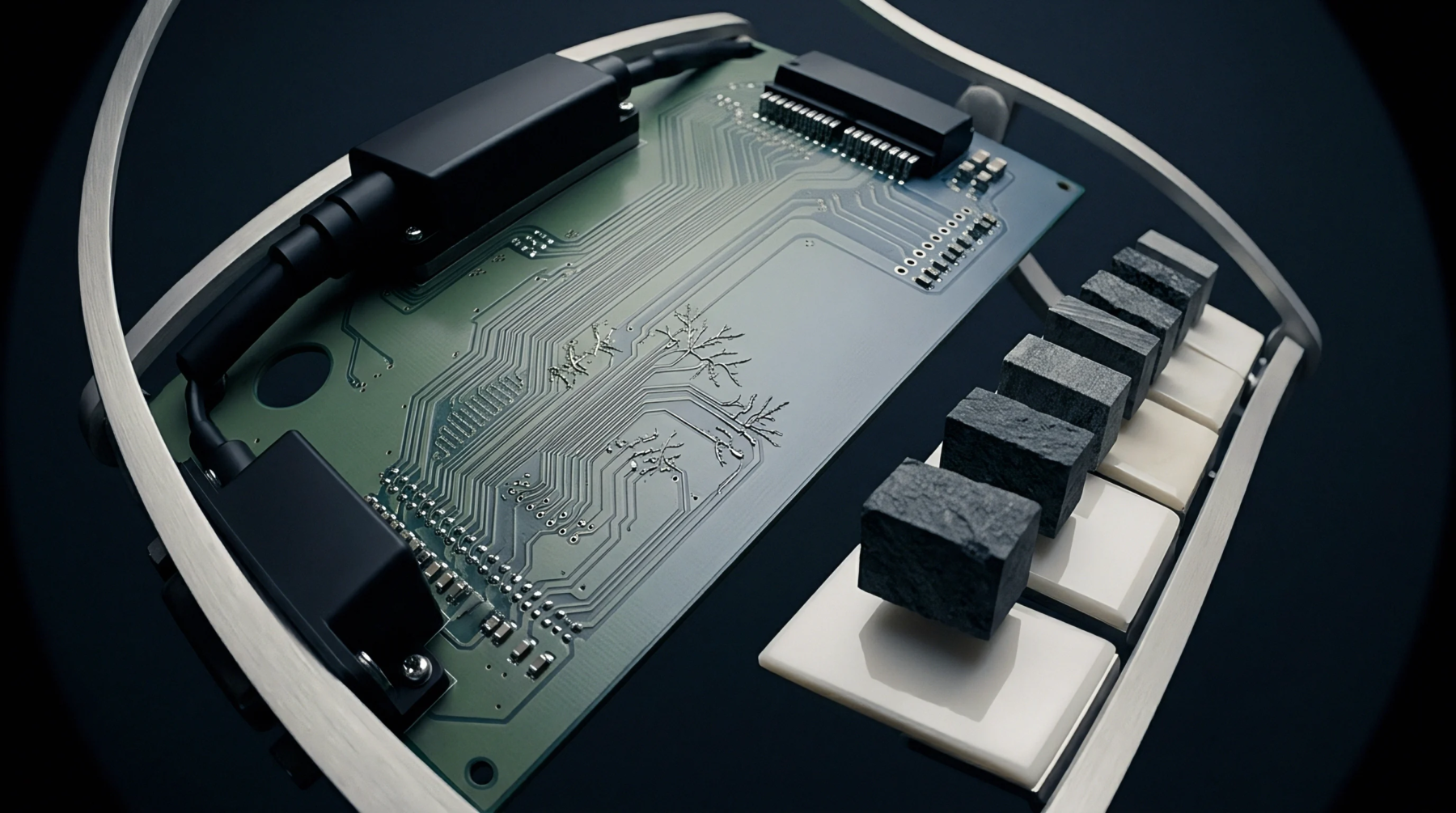
Quantifying Contact Resistance Shifts in High Frequency RF Probes
Ground tip contact resistance shifts corrupt high frequency vector calibration, introducing false insertion loss errors that invalidate wafer-level die sorting.
Ground tip contact resistance shifts corrupt high frequency vector calibration, introducing false insertion loss errors that invalidate wafer-level die sorting.
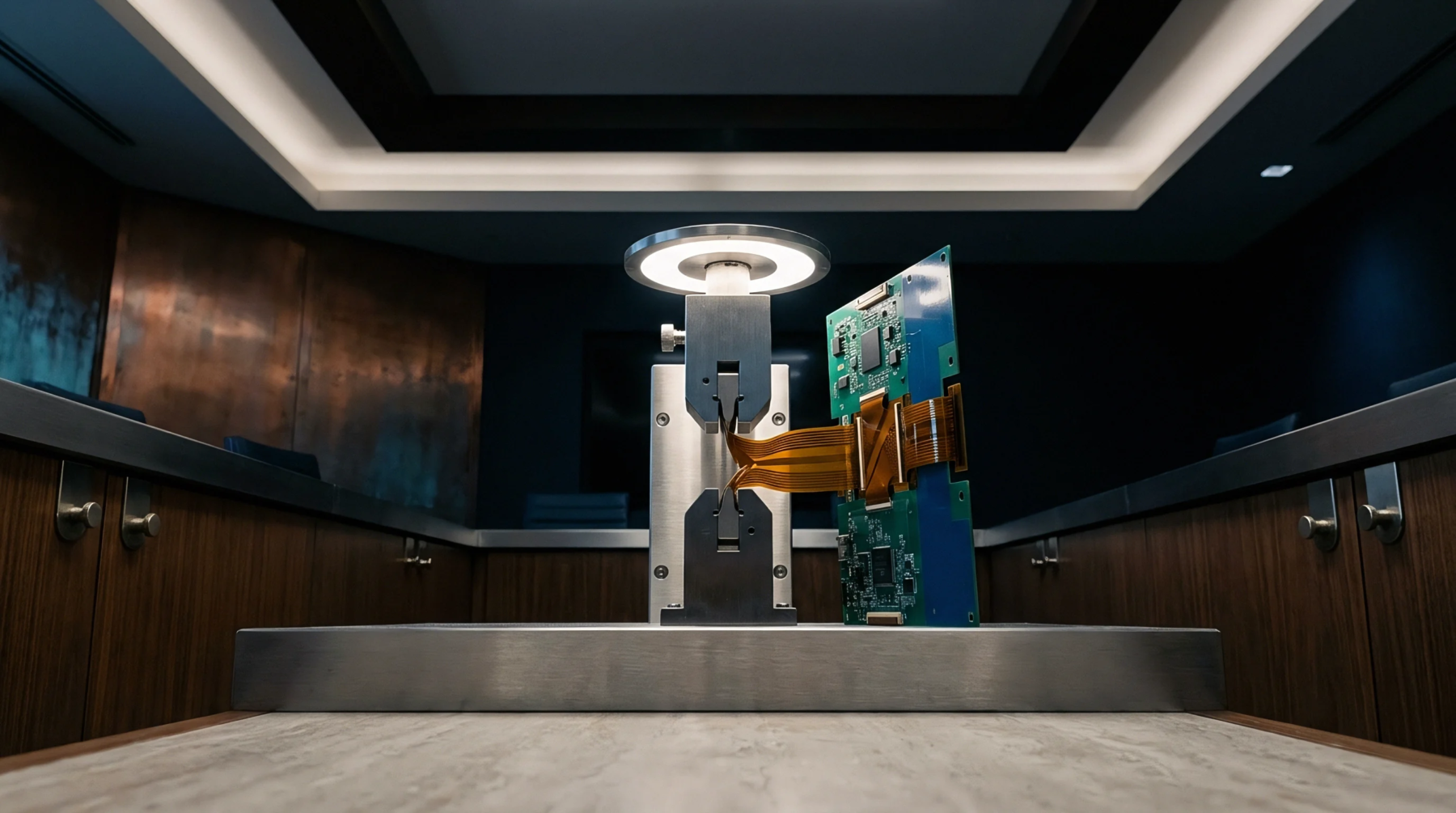
Flying probe contact force above 0.5 N with sharp tips cracks thin copper targets; limit Z-axis overdrive to keep local contact stress under 280 MPa.
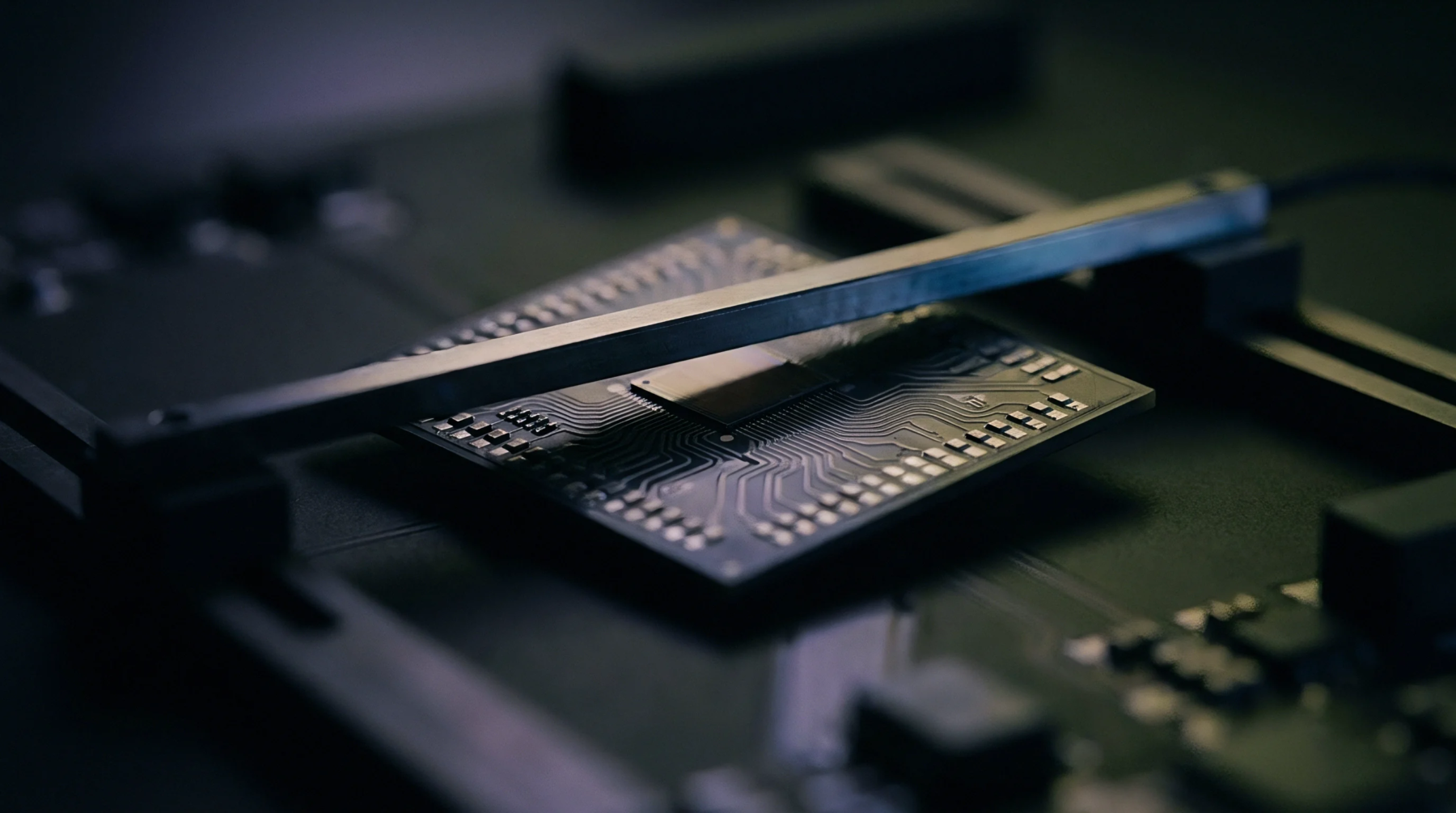
Test bead access on HDI substrates preserves microvia integrity during ICT while maintaining 98 percent node coverage when guided by precision fixtures.
Dynamic contact resistance measurement requires true four-wire Kelvin topologies, dry-circuit excitation voltage caps, and offset-compensated drive currents.
In-circuit testing crossover volume thresholds occur where amortized fixture tooling costs intersect flying probe machine hour charges, typically near 5,500 units.
Expertise is a utility, not a secret. sentiention™ publishes its working knowledge as open reference: intelligence layer covering the materials it sources, the markets it enters, and the reference that serves both.