Production Scope
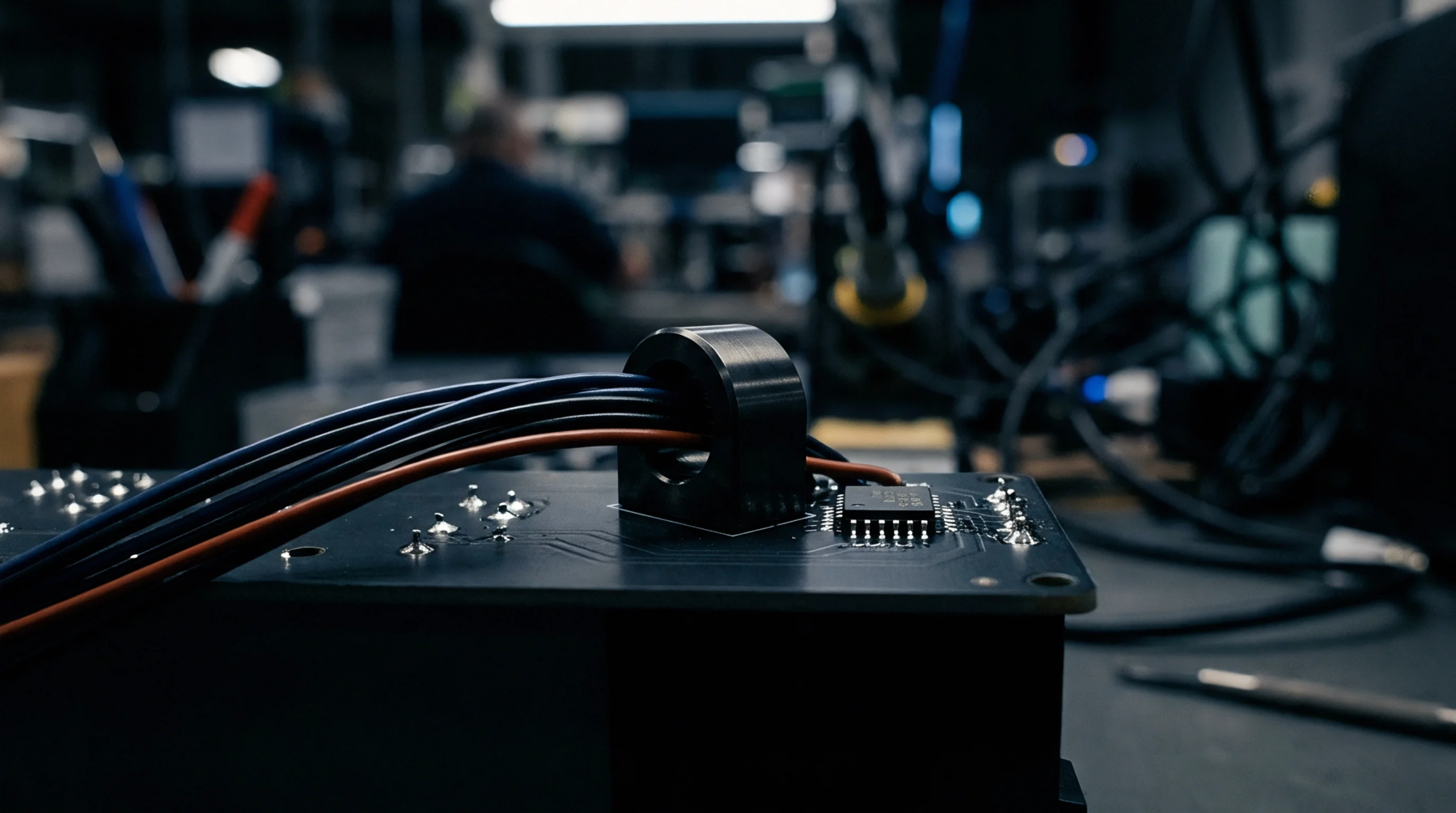
Outsourced assembly services provide the infrastructure for populating printed circuit boards with electronic components based on customer designs. Contract electronics manufacturing operates through a legal agreement where an outside vendor acquires parts, schedules machine cycles, and manages the labor for technical build requirements. Vendors maintain automated pick and place machines, reflow ovens, and wave soldering equipment to ensure reliable electrical connections on high density boards.
Such firms also perform functional test procedures to verify that the finished hardware meets specific signal integrity requirements.
Quality Governance
Verification of assembly integrity requires rigid adherence to industry standards regarding joint formation and component placement tolerances. These providers must demonstrate process stability through thermal profiling of reflow cycles to prevent cold solder joints or component thermal damage. Inspectors categorize defects such as bridges, opens, and tombstones according to visual criteria defined by the IPC.
Failure rates remain high if an operator ignores incoming material validation or machine calibration intervals.
Market Integration
Capacity allocation dictates the economic feasibility of sourcing individual boards versus high volume production runs. Clients define the boundary of responsibility by specifying whether the vendor supplies the components or merely manages the assembly of consigned kits provided by the original design firm. Procurement cycles depend on the availability of long lead time microcontrollers and memory modules.
Outsourcing physical assembly allows a design house to focus capital on research while offloading the complexities of industrial throughput and environmental compliance.