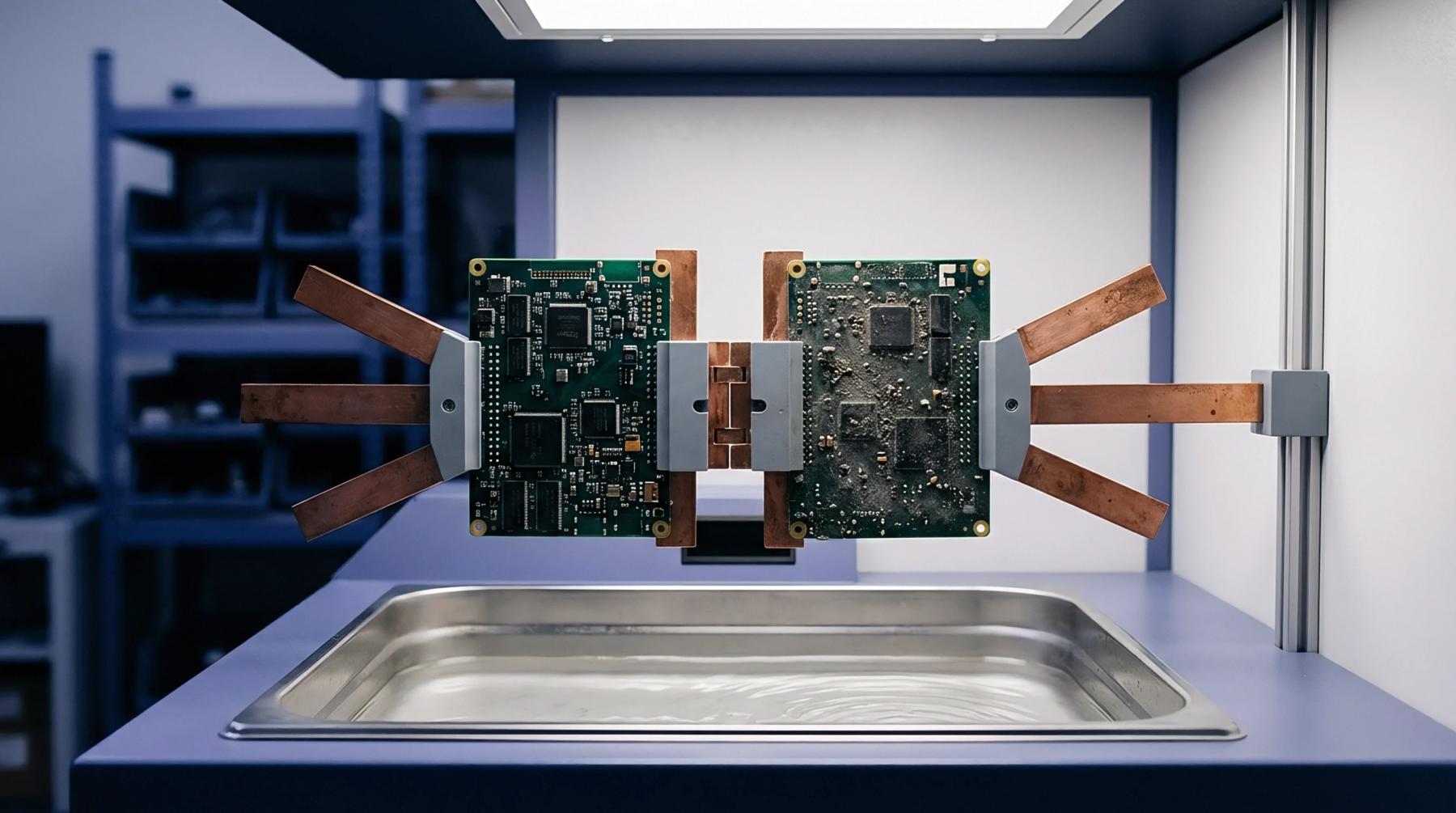
Quality Milestone
Formal verification by the purchaser that assembled printed circuit boards meet all specified electrical and workmanship standards is required before payment. Establishing contract manufacturing acceptance criteria guarantees that the board assembly meets the ipc quality classes for industrial or high-reliability applications. This process acts as the final gate between the factory floor and the customer inventory.
It relies on a combination of visual and electrical test reports to confirm compliance.
Inspection Procedure
Quality engineers audit the inspection logs and functional test data to verify that all processes were executed correctly. The documentation must prove that solder joint quality meets the defined ipc standard, such as ipc610 class three. Solder coverage and board cleanliness measurements are checked against the agreed quality plan.
Physical samples are inspected under microscope to confirm the absence of voids or solder balls. Corrective action plans are demanded from the manufacturer if systemic defects are identified in the audit.
Resolution Protocol
Discrepancies found during the auditing phase result in a hold on the batch until the assembler corrects the issues or provides an explanation. If boards fail to meet the acceptance threshold, the contract manufacturer must rework the defective units at their own cost. This formal process ensures that low-quality batches are blocked from entering the field where failures are expensive.