Bond Integrity
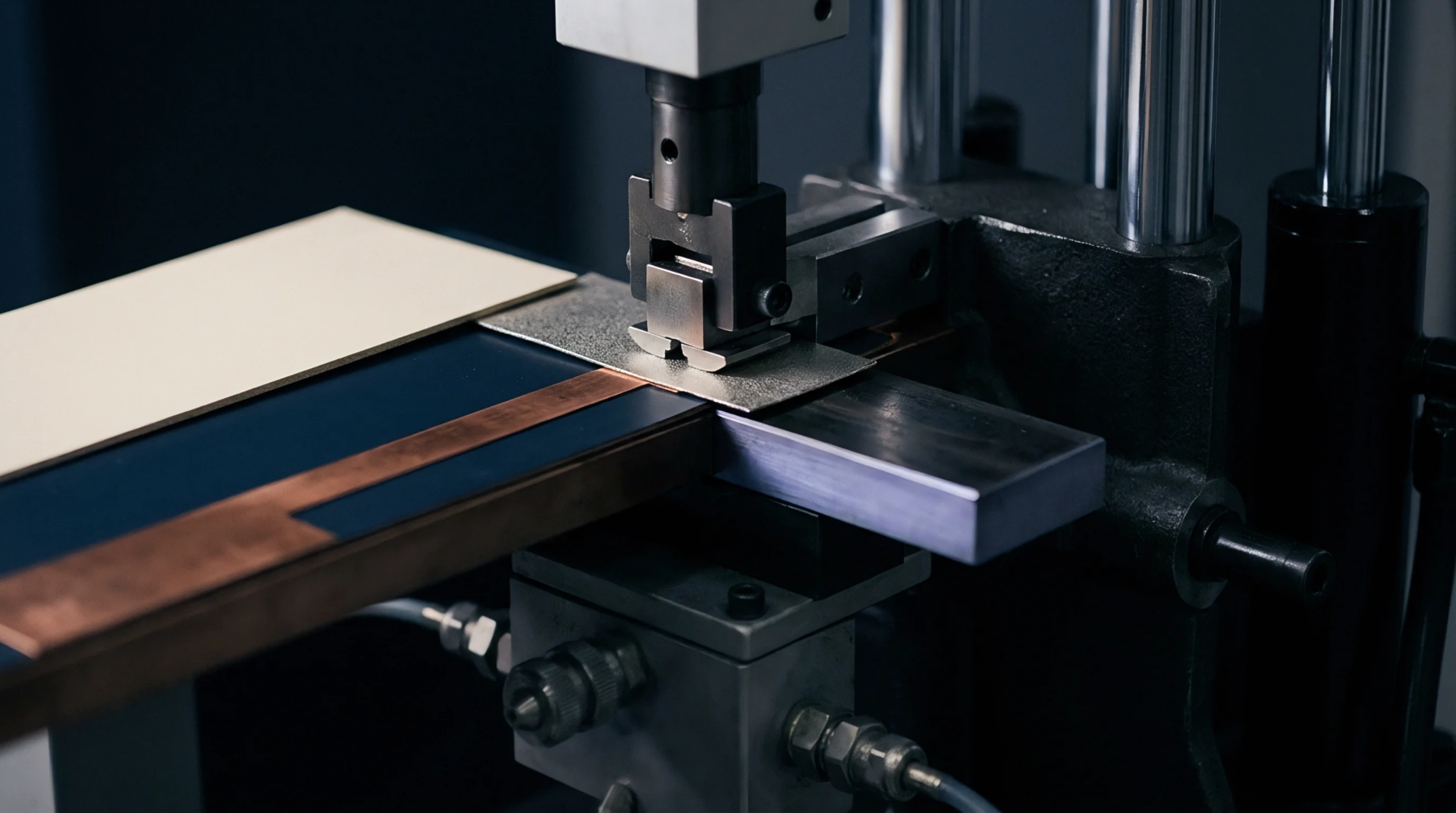
Peel resistance governs how firmly electrodeposited copper foils adhere to the underlying dielectric substrate after thermal exposure. This copper retention factor measures the force required to separate aged conductor traces from printed circuit boards during destructive pull testing. Etched circuit patterns experience severe thermal stresses during wave soldering or multiple reflow cycles, which can degrade the resin to metal interface.
Process engineers specify minimum peel strength thresholds to prevent circuit lifting and trace delamination during high temperature assembly operations. The measurement quantifies mechanical bond durability under standardized thermal aging conditions.
Interface Degradation
Microscopic bond failure typically originates at the microscopic tooth profile where the treated copper foil grips the cured epoxy glass substrate. Oxidation resistance treatments applied to the matte side of raw copper foils interact with resin curing agents during laminate press cycles. Excessive dwell time in conveyorized thermal processing systems degrades this chemical interlock, causing premature adhesion loss.
Laboratory peel tests evaluate this degradation by pulling etched conductors at a constant ninety degree angle at room temperature. Resulting force values establish whether the bond withstands thermal shocks encountered throughout component placement and soldering.
Process Validation
Incoming laminate inspection protocols rely on coupon testing to verify that raw material press parameters meet fabrication tolerances. Etching identical test patterns across production panels isolates board house etching variations from actual laminate adhesion performance. Low retention values indicate inadequate surface roughening or contaminated substrate bonding sites prior to copper deposition.
Corrective actions target chemical bath chemistry and lamination press temperature profiles to restore peel strength. Reliable trace adhesion prevents mechanical failure during downstream automated component insertion and subsequent operational service.